Breakdowns of PEO pricing models, fee structures, hidden costs, and long-term financial impact. Includes comparisons between percentage-of-payroll and per-employee pricing models.
PEO pricing for gyms and fitness studios is shaped by industry-specific factors — mixed employee classifications, elevated liability exposure, and seasonal headcount swings — that generic cost estimates rarely account for. This guide breaks down exactly what drives PEO costs for fitness businesses and how to evaluate quotes accurately to avoid overpaying.
PEO pricing for quick service restaurants is shaped by factors most providers don’t design for — high turnover, tip credit calculations, kitchen workers’ comp classifications, and fluctuating headcount that can quietly inflate your costs. This breakdown explains what’s actually driving your PEO invoice so QSR operators can evaluate contracts with a clearer picture of true cost.

PEO pricing for schools and private education involves unique cost drivers that generic breakdowns miss, including seasonal payroll cycles, mixed workforce structures, and education-specific compliance requirements around credentialing and background checks. This guide helps private schools and independent education organizations accurately evaluate PEO quotes, understand what’s driving their specific costs, and benchmark proposals against realistic industry expectations.

Franchise groups face a more complex PEO pricing structure than single-location businesses, with fees that compound across entities, co-employment complications, and contract terms that vary based on how your network is structured. This guide breaks down exactly what drives franchise groups PEO pricing and cost structure so you can evaluate proposals clearly before signing.
PEO pricing for tech startups is more complex than a single per-employee quote, with costs shaped by salary profiles, remote workforce distribution, benefit expectations, and contract terms that interact in ways most founders don’t anticipate. This guide breaks down how the full cost structure actually works so startups can evaluate quotes accurately and avoid unexpected overages.
Towing PEO pricing operates differently than most industries due to high-risk classifications, roadway exposure, and claims profiles that directly shape every proposal. This guide breaks down the specific cost drivers—from driver mix to fleet exposure—that determine what towing operators actually pay for PEO services and how to evaluate whether a proposal reflects fair pricing for the risk involved.
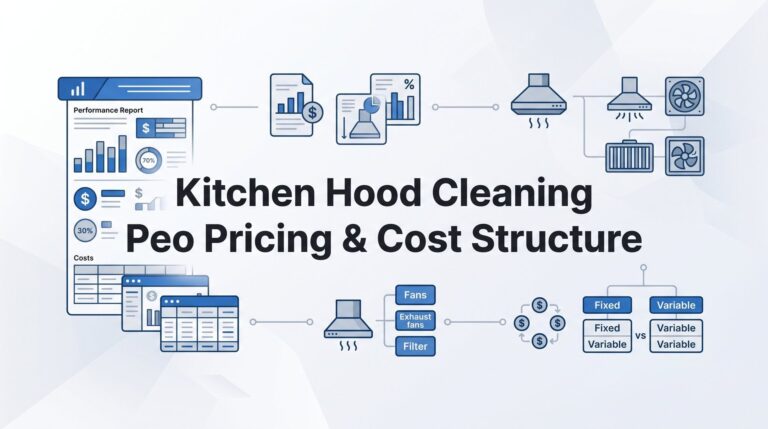
Kitchen hood cleaning companies face unique PEO pricing challenges due to high-risk workers’ comp classifications, chemical exposure liability, and seasonal staffing patterns that generalist HR vendors often underestimate. Understanding kitchen hood cleaning PEO pricing and cost structure helps operators avoid overpaying by knowing exactly which variables drive their rates before signing.
PEO pricing for dumpster rental companies goes beyond the base quote, with workers’ comp exposure, variable crew sizes, and seasonal demand all driving your actual cost. This breakdown explains the specific factors that shape dumpster rental PEO pricing and cost structure so operators know what they’re really paying for before signing a contract.
Backflow Testing PEO Pricing & Cost Structure is often misquoted and poorly structured for niche contractors, leaving many business owners overpaying or exposed to compliance gaps. This guide breaks down the real cost drivers behind PEO pricing for backflow testing companies, explains where mispricing commonly occurs, and outlines what to evaluate before signing any agreement.
Grease trap pumping companies face unique challenges when evaluating PEO pricing due to high-risk workforce classifications, seasonal staffing swings, and workers’ comp complexities that most generalist PEOs mishandle. This guide breaks down grease trap pumping PEO pricing and cost structure so operators know what fair pricing looks like, which fees to scrutinize, and how to avoid costly misclassifications before signing a contract.
