
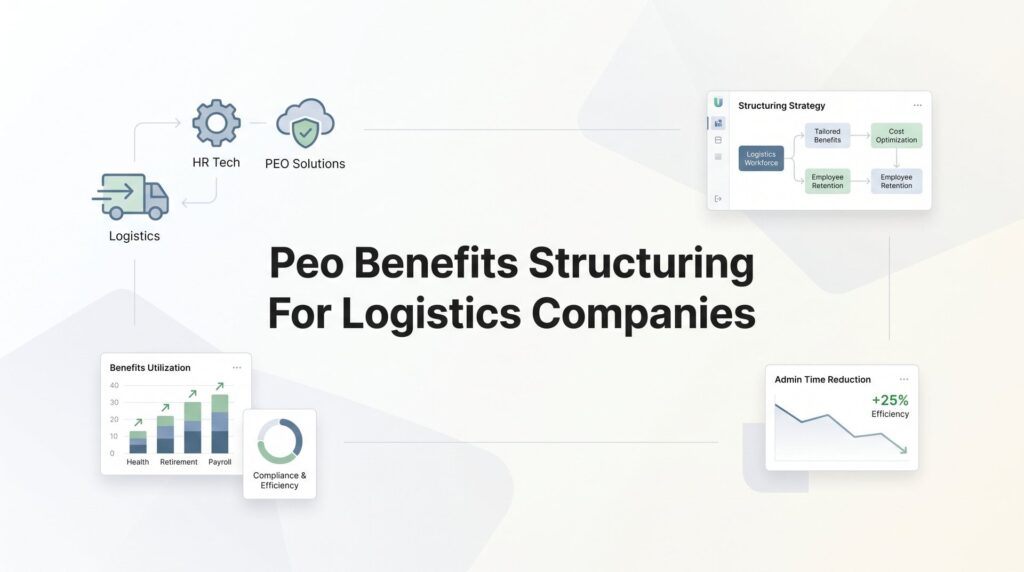
Logistics companies deal with a benefits puzzle most industries don’t face. You’ve got warehouse workers, long-haul drivers, dispatchers, and office staff — all with different risk profiles, regulatory requirements, and coverage needs. Structuring benefits across these groups while staying compliant with DOT medical requirements, multi-state workers’ comp, and FMLA across distributed locations is genuinely complicated.
A PEO can handle a lot of this, but not every PEO understands logistics. Some are built for white-collar tech companies and will shoehorn your workforce into plans that don’t fit. This list focuses on PEO providers (and one comparison tool) that actually handle the specific benefits structuring challenges logistics companies face: tiered plans for mixed workforces, workers’ comp for high-risk classifications, multi-state compliance, and benefits administration that works for employees who aren’t sitting at a desk all day.
Here’s what we looked at and who stood out.
1. PEO Metrics
Best for: Logistics companies that want unbiased, side-by-side PEO comparisons before committing to a provider.
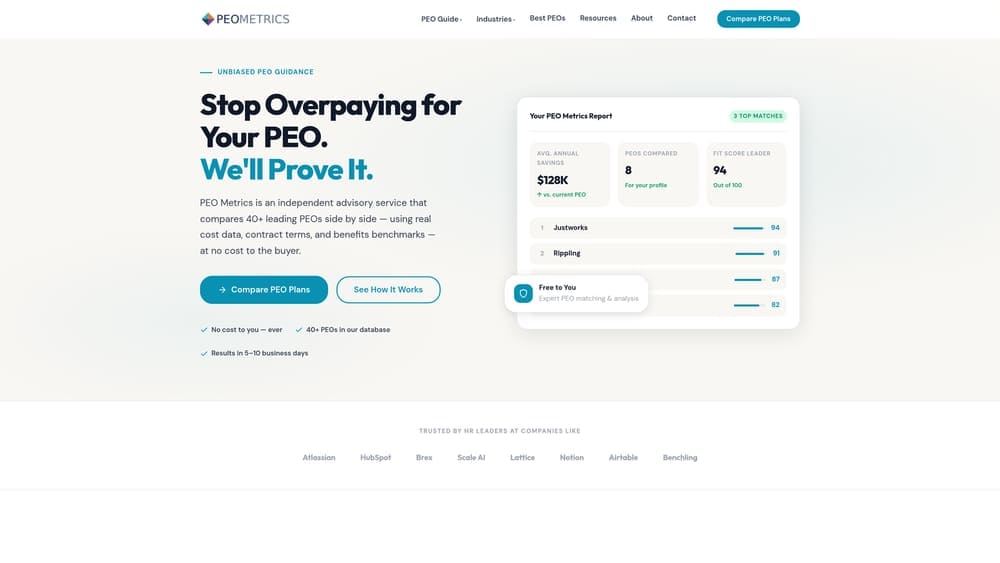
PEO Metrics is a PEO comparison platform built to help businesses evaluate providers on the metrics that actually matter — not marketing claims.
Where This Tool Shines
Here’s the honest reality: most logistics companies don’t know what they’re overpaying for until after they’ve signed. PEO contracts are intentionally complex, and benefits bundling makes it hard to compare apples to apples. PEO Metrics cuts through that by giving you a structured, data-driven view of how providers stack up on the dimensions that matter most to logistics operations — workers’ comp rates, benefits plan depth, multi-state capabilities, and pricing transparency.
Because PEO Metrics isn’t tied to any single PEO provider, you’re getting an independent perspective rather than a referral pitch. For a logistics operator trying to figure out whether a proposed PEO contract is actually competitive, that objectivity is genuinely useful.
Key Features
Side-by-Side Provider Comparisons: Evaluate multiple PEOs simultaneously on benefits structuring capabilities, workers’ comp rates, and compliance support — not just price.
Pricing Analysis: Identifies where bundled fees and administrative markups may be inflating your true cost, helping you avoid overpaying.
Unbiased Guidance: Not affiliated with any PEO provider, so recommendations reflect your actual needs rather than referral incentives.
Logistics-Specific Matching: Helps match your workforce classification mix and geographic footprint to providers with relevant experience in transportation and distribution.
Best For
Logistics companies shopping for a new PEO, renegotiating an existing contract, or unsure whether their current provider is actually competitive. Particularly valuable for operators without dedicated HR staff who need a structured framework to evaluate complex proposals.
Pricing
Contact for details. PEO Metrics operates as a comparison and advisory service — pricing details are available directly through their team.
2. ADP TotalSource
Best for: Large logistics operations that need enterprise-grade benefits infrastructure across multiple states and employee classifications.
ADP TotalSource is an enterprise-level PEO with the carrier network and compliance infrastructure to handle complex, multi-state benefits structuring at scale.
Where This Tool Shines
ADP’s size is its primary advantage here. Their carrier relationships give logistics companies access to a broad range of health plan options — which matters when your workforce is spread across multiple states and you need network coverage that actually reaches where your drivers and warehouse staff live, not just where your headquarters is located.
The ability to structure different benefits tiers for different employee classifications is particularly relevant for logistics. A CDL driver in Texas and a dispatcher in Ohio have different needs, different risk profiles, and potentially different regulatory requirements. ADP TotalSource has the infrastructure to manage that complexity without forcing everyone into a single plan design.
Key Features
Broad Carrier Network: Access to multiple health insurance carriers, giving you real options rather than a take-it-or-leave-it plan.
Tiered Benefits by Classification: Supports multiple benefits tiers for different employee groups — critical for logistics companies with mixed workforces.
Multi-State Compliance: Payroll tax, benefits compliance, and regulatory management across all states where you operate.
Integrated HR Technology: Full HR platform with payroll, time tracking, and benefits administration in one system.
Dedicated HR Business Partner: Assigned HR support rather than a generic call center — useful when you have complex benefits questions.
Best For
Logistics companies with 100+ employees operating across multiple states, particularly those with complex workforce classification structures that need enterprise-level HR infrastructure and carrier access.
Pricing
Custom pricing based on headcount and services selected. Generally positions in the mid-to-premium range — worth getting a detailed quote to understand what’s bundled versus add-on.
3. Paychex PEO
Best for: Logistics companies with significant warehouse and fleet exposure that need integrated workers’ comp and safety program management.
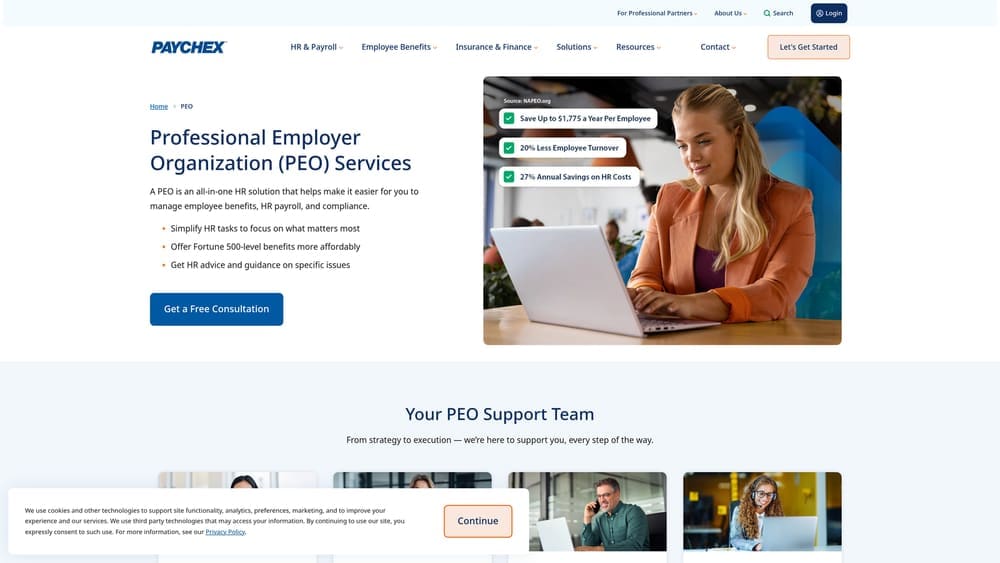
Paychex PEO is a well-established PEO with particularly strong workers’ comp management capabilities and workplace safety program integration.
Where This Tool Shines
Workers’ comp is one of the most expensive line items for logistics companies, and it’s also one of the areas where PEOs can deliver the most tangible value — or cost you more than going direct if the provider doesn’t understand your class codes. Paychex has built out genuine infrastructure around workers’ comp administration, including pay-as-you-go billing that smooths out cash flow and reduces the risk of audit surprises at year-end.
The integrated safety programs are worth noting for logistics specifically. Proactive safety management isn’t just a compliance checkbox — it directly affects your experience modification rate over time, which drives your workers’ comp costs. Paychex’s approach to embedding safety resources alongside workers’ comp administration makes sense for operations with real physical risk exposure.
Key Features
Pay-As-You-Go Workers’ Comp: Premiums calculated on actual payroll each period, reducing large deposits and year-end audit adjustments.
Workplace Safety Programs: Integrated safety training and resources that can help reduce incident rates and long-term comp costs.
Mixed Workforce Benefits Administration: Handles benefits enrollment and administration for hourly, salaried, and driver classifications.
Multi-State Compliance: State-specific payroll tax and benefits compliance support for distributed operations.
Employee Self-Service Portal: Online access to benefits information and enrollment — accessible without needing to be at a desk.
Best For
Logistics companies in the 20-500 employee range with meaningful workers’ comp exposure across warehouse and transportation operations. Particularly useful for companies that have had workers’ comp cost issues and want more proactive management.
Pricing
Custom quote required. Generally competitive for companies in the 20-500 employee range. Ask specifically about how workers’ comp is priced relative to your class codes.
4. Insperity
Best for: Mid-market logistics companies competing for CDL drivers and skilled warehouse staff in a tight labor market.
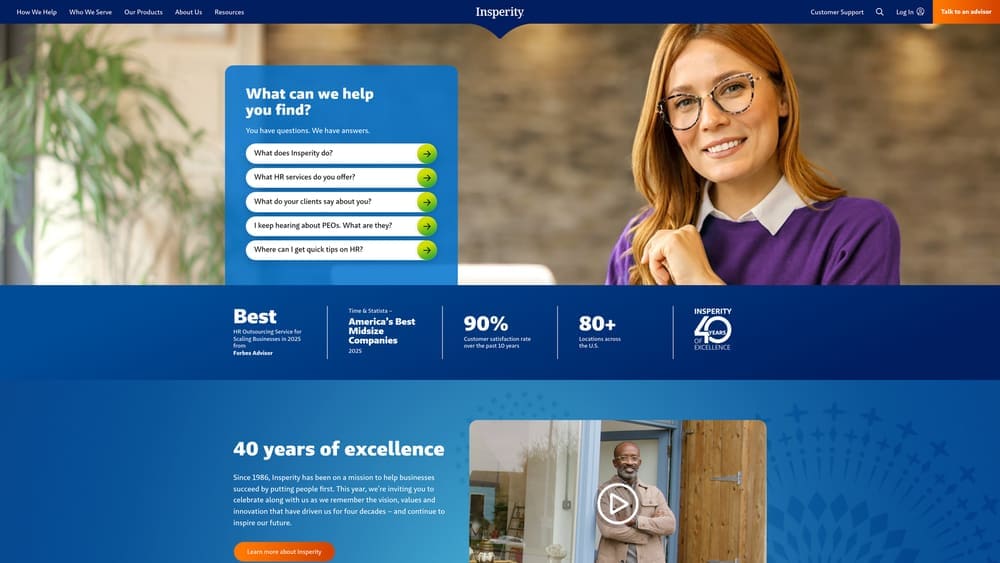
Insperity is a mid-market PEO known for offering large-group health insurance access that lets smaller companies punch above their weight on benefits quality.
Where This Tool Shines
The logistics labor market is genuinely competitive, particularly for CDL holders. Benefits quality is a real retention lever — and Insperity’s ability to deliver Fortune 500-caliber health plan options through their large-group purchasing power is directly relevant here. A regional trucking company competing against a national carrier for the same driver pool can close some of that gap with better benefits.
Insperity also brings solid HR infrastructure beyond just benefits, including performance management tools and employee development resources. For logistics companies trying to build a more structured HR function without hiring a full HR team, that broader capability set has real value.
Key Features
Large-Group Health Insurance Access: Broad network health plans that smaller logistics companies typically couldn’t access independently.
401(k) and Retirement Administration: Competitive retirement plan options that help with long-term employee retention.
Performance Management Tools: Structured frameworks for employee reviews and development — useful for companies scaling their workforce.
Dedicated HR Specialist: Named HR support rather than a rotating call center, which matters when you’re navigating complex compliance questions.
Scalable for Growth: Infrastructure designed to grow with mid-market companies expanding headcount or geographic footprint.
Best For
Mid-market logistics companies, roughly 50-500 employees, that are competing for talent and want a benefits package that helps them stand out. Also a good fit for companies building out HR infrastructure for the first time.
Pricing
Per-employee-per-month model. Pricing varies based on services selected and headcount. Request an itemized quote to understand what’s included versus billed as add-ons.
5. TriNet
Best for: Logistics companies expanding into new states that need multi-state compliance handled without building internal expertise.
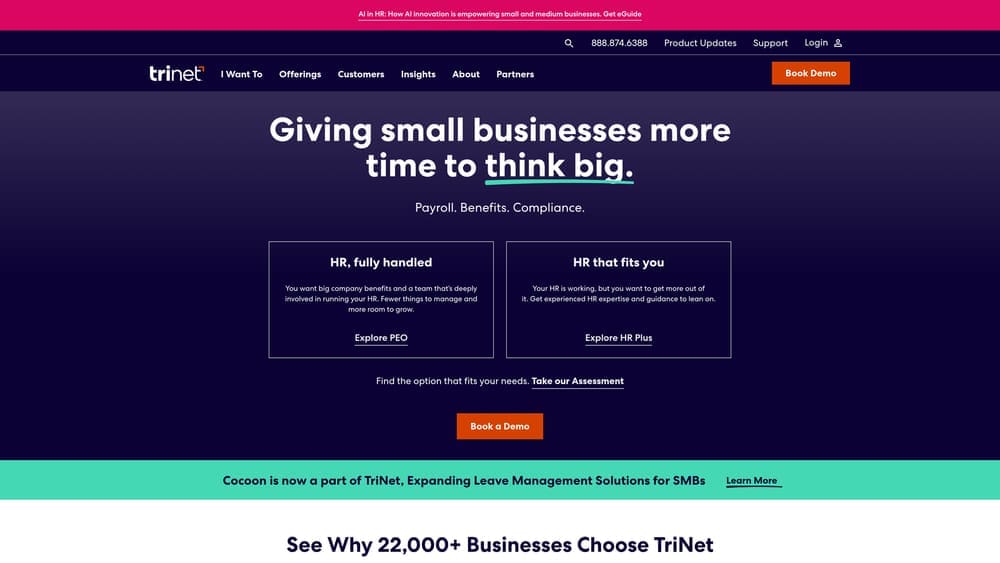
TriNet is a PEO with industry-vertical expertise and strong multi-state compliance capabilities across tax, benefits, and employment law.
Where This Tool Shines
Geographic expansion is a common growth pattern for logistics companies — you add a new distribution hub, hire drivers domiciled in a new state, and suddenly you’re dealing with state-specific tax registrations, workers’ comp filings, and benefits compliance requirements you’ve never dealt with before. TriNet has built its infrastructure around exactly this kind of multi-state complexity.
Their regional health plan access is also worth noting. One of the real failures of generalist PEOs in logistics is offering a health plan with a network that’s geographically concentrated around the company’s headquarters. TriNet’s ability to provide region-specific plan options helps ensure your drivers and warehouse staff actually have usable coverage where they live.
Key Features
Industry-Tailored Benefits Options: Benefits plan structures that can be adapted to different workforce types rather than a single generic offering.
Multi-State Tax and Compliance Management: Handles state-specific payroll tax, benefits compliance, and employment law requirements across all operating states.
Regional Health Plan Access: Health plan options that vary by geographic region, improving network relevance for distributed workforces.
Employment Practices Liability: Risk mitigation support that’s increasingly relevant for companies managing large hourly workforces.
Mobile Benefits Portal: Employee-facing benefits access that doesn’t require a desktop — practical for drivers and field staff.
Best For
Logistics companies actively expanding into new states, or those already operating across multiple states and struggling with compliance complexity. Also useful for companies with employees genuinely spread across different regions who need health plan networks that match where people actually live.
Pricing
Per-employee-per-month pricing. Varies by industry classification and headcount. Request a quote specific to your workforce mix and state footprint.
6. Justworks
Best for: Smaller logistics companies that want clean, transparent benefits administration without complexity or hidden fees.
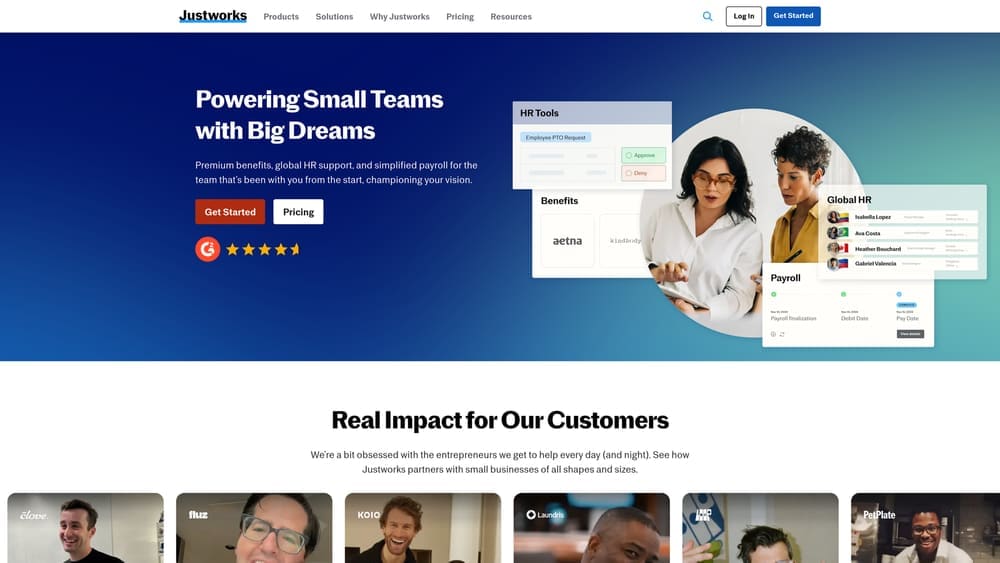
Justworks is a PEO built around pricing transparency and straightforward benefits enrollment — a strong option for smaller operators who don’t need heavy customization.
Where This Tool Shines
Justworks is the most transparent PEO on this list when it comes to pricing. Flat per-employee monthly rates with no hidden fees is genuinely unusual in the PEO space, where bundled pricing and administrative markups are common. For a small logistics company without a dedicated HR team, that clarity reduces the administrative burden of managing a PEO relationship.
The tradeoff is customization depth. Justworks works well when your benefits needs are relatively straightforward — solid health, dental, and vision plans with clean enrollment. If you need heavily tiered plan designs across multiple classification types or complex workers’ comp management for high-risk codes, you’ll likely outgrow Justworks or find its capabilities limiting.
Key Features
Flat Monthly Pricing: Transparent per-employee pricing with no hidden administrative fees — unusual in the PEO market.
Large-Group Health, Dental, and Vision: Access to group health plans that smaller companies couldn’t typically access independently.
Simple Onboarding and Enrollment: Clean, user-friendly benefits enrollment process that doesn’t require HR expertise to manage.
All-50-States Compliance: Payroll tax and benefits compliance support across all U.S. states.
24/7 Customer Support: Around-the-clock support access — relevant for logistics companies with non-standard operating hours.
Best For
Small logistics companies, roughly under 50 employees, with relatively homogeneous workforce needs. Good fit for companies that value pricing transparency and ease of use over deep customization. Less suited for operations with complex workers’ comp classifications or heavily mixed workforces.
Pricing
Starts at $59 per employee per month for the Basic plan. The Plus plan, which includes health benefits access, is priced higher. Check current rates directly — pricing tiers have evolved over time.
7. Oasis (a Paychex Company)
Best for: Logistics companies without in-house HR that need hands-on benefits strategy support rather than just a platform.
Oasis, now operating under the Paychex umbrella, is a PEO that pairs HR professionals with clients to help design and manage benefits structures — not just administer them.
Where This Tool Shines
The distinction here is service depth. A lot of PEOs give you a platform and expect you to figure out the benefits design yourself. Oasis assigns dedicated HR professionals who actively help you think through tiered plan design, classification-based benefits structures, and compliance strategy. For a logistics operator who’s never built a formal benefits program, that guidance has real practical value.
The workers’ comp administration and claims management capabilities are also worth noting. Oasis doesn’t just process claims — they help manage the claims process, which can meaningfully affect outcomes and long-term cost exposure for logistics companies with elevated incident rates.
Key Features
Assigned HR Professional: A dedicated HR specialist who helps design and manage your benefits strategy, not just process transactions.
Tiered Benefits Plan Design: Structured support for building different benefits tiers across employee classifications — relevant for mixed logistics workforces.
Workers’ Comp Administration and Claims Management: Active involvement in the claims process, not just premium billing.
Compliance Monitoring: Ongoing regulatory updates and compliance alerts relevant to your operating states.
Employee Training Resources: Access to training and development content — useful for safety compliance and driver certification requirements.
Best For
Logistics companies that lack internal HR expertise and want a PEO that acts more like an HR partner than a software vendor. Particularly useful for companies building their first formal benefits structure or dealing with recurring workers’ comp issues.
Pricing
Custom pricing. Contact Oasis directly for a quote. As a Paychex company, pricing is generally competitive with mid-market PEO options.
8. Amplify PEO
Best for: Trucking, freight, and distribution companies that have been declined by generalist PEOs due to high-risk workers’ comp classifications.
Amplify PEO specializes in higher-risk industries, making it a legitimate option for logistics companies that struggle to find viable coverage through mainstream providers.
Where This Tool Shines
Most PEOs on this list are generalists who can handle logistics reasonably well. Amplify is different — they specifically target higher-risk industries where generalist PEOs either won’t write coverage or price it so high it’s not competitive. For trucking and distribution companies with difficult workers’ comp class codes, that specialization matters.
The flexibility around seasonal workforce fluctuations is also genuinely useful for logistics. Many distribution and freight operations scale headcount significantly during peak periods. Amplify’s plan structures can accommodate that kind of variability without the administrative friction that comes from trying to force seasonal headcount changes through a platform designed for stable office workforces.
Key Features
High-Risk Workers’ Comp Specialization: Experience with difficult class codes including trucking and transportation classifications that generalist PEOs often decline.
Blue-Collar and Mixed Workforce Benefits: Benefits plan designs built for physical, field-based workforces rather than adapted from office-focused templates.
Transportation Class Code Experience: Familiarity with the specific workers’ comp codes relevant to trucking and freight operations.
Bundled Benefits and Workers’ Comp Packages: Integrated approach that simplifies administration for companies managing both simultaneously.
Seasonal Workforce Flexibility: Plan structures that can accommodate significant headcount fluctuations without heavy administrative burden.
Best For
Trucking, freight brokerage, and distribution companies with elevated workers’ comp risk profiles — particularly those that have been declined by other PEOs or received uncompetitive quotes due to their industry classification. Also a strong fit for companies with significant seasonal headcount swings.
Pricing
Custom pricing. Amplify typically works with companies that have been declined elsewhere or face non-standard risk profiles, so expect pricing to reflect that specialization. Contact directly for a quote based on your specific class codes and workforce structure.
Picking the Right PEO for Your Fleet and Warehouse Crew
The honest answer is that there’s no universal right choice here. The best PEO for a regional trucking company with 40 drivers and a high workers’ comp mod is a different answer than the best PEO for a 200-person distribution operation expanding into three new states.
A few things to anchor your decision on:
If workers’ comp is your primary pain point, Amplify PEO and Paychex PEO are worth prioritizing. Amplify if you’ve been declined or quoted non-competitively; Paychex if you want integrated safety programs alongside claims management.
If multi-state compliance is driving complexity, ADP TotalSource and TriNet both have the infrastructure to handle it. ADP if you’re larger and need enterprise-grade systems; TriNet if regional health plan coverage is a specific concern.
If talent competition is your focus — specifically competing for CDL drivers — Insperity’s large-group benefits access is directly relevant. Benefits quality is a real differentiator in that labor market.
If you’re a smaller operation without in-house HR, Justworks keeps things clean and transparent for simpler needs. Oasis gives you more hands-on strategic support if you need help actually designing the benefits structure.
Before you sign anything, though, it’s worth making sure you’re actually comparing these options on equal footing. PEO pricing is notoriously opaque, and bundled fees make it easy to overpay without realizing it. That’s exactly where a tool like PEO Metrics adds value — giving you a structured, unbiased comparison before you commit.
Before you sign that PEO renewal, make sure you’re not leaving money on the table. Many logistics businesses unknowingly overpay because of bundled fees, hidden administrative markups, and contracts designed to limit flexibility. A clear, side-by-side breakdown of pricing, services, and contract terms lets you see exactly what you’re paying for and choose the option that actually fits your operation. Don’t auto-renew. Make an informed, confident decision.
