How PEOs work across industries like construction, healthcare, startups, and multi-state employers.
Finding the right PEO for residential construction companies requires specialized expertise in high-risk workers’ comp classifications, OSHA compliance, and payroll systems that handle prevailing wage requirements. This comprehensive guide evaluates eight PEO providers based on their actual construction industry experience, safety program support, and ability to manage the unique challenges of crews working across multiple job sites—going beyond generalist providers to identify those who trul…
Finding the right residential construction PEO for 5 employees means balancing workers’ comp protection and OSHA compliance without paying for enterprise-level services you don’t need. This guide provides seven practical strategies for evaluating PEO options that understand the unique challenges of small construction crews, including seasonal workforce fluctuations, subcontractor management, and industry-specific insurance rates that can significantly impact your profit margins.
For residential construction companies with 15 employees, selecting the right PEO requires understanding industry-specific challenges like high workers’ comp costs (15-20% of labor), seasonal workforce changes, and prevailing wage requirements. This guide provides seven targeted strategies to help you evaluate PEO partners beyond generic pitches, focusing on solutions that address construction crew risk pooling, job classification complexities, and subcontractor management unique to residenti…
Choosing the right residential construction PEO for 25 employees requires understanding your company’s unique position between startup chaos and enterprise scale. This guide delivers seven targeted strategies that address construction-specific challenges like workers’ comp exposure, seasonal workforce shifts, and prevailing wage compliance—helping you find a PEO partner that understands jobsite realities, not just generic HR solutions.
Managing 100 employees in residential construction creates complex HR challenges including multi-site safety compliance, workers’ comp for high-risk trades, and subcontractor classification issues that generic solutions can’t address. This guide provides seven strategic criteria for selecting a residential construction PEO for 100 employees that understands your industry’s unique operational demands, seasonal workforce fluctuations, and dispersed job site management requirements.
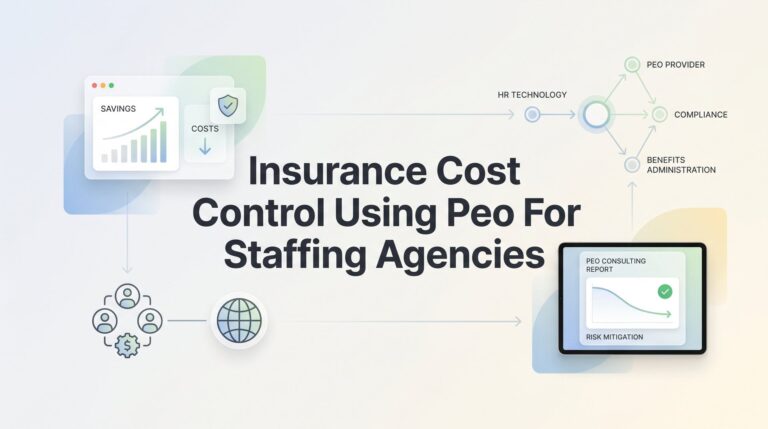
Staffing agencies struggle with inflated insurance costs due to high-risk placements, fluctuating headcounts, and claims from short-term workers that damage experience modification rates. This guide provides staffing-specific strategies for leveraging a Professional Employer Organization (PEO) to achieve meaningful insurance cost control using PEO for staffing agencies, addressing unique challenges like client-site injuries, classification complexity, and margin erosion that generic business …
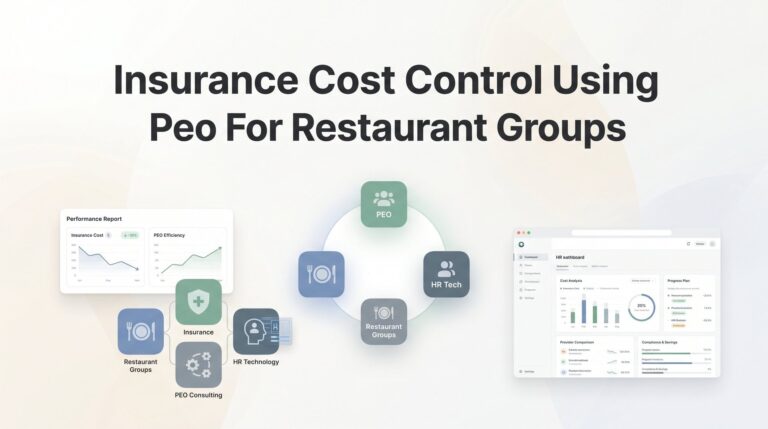
Restaurant groups face crushing insurance costs—often 8-12% of labor expenses—that worsen with each new location due to workers’ comp claims, health coverage for high-turnover staff, and multi-state regulatory complexity. Insurance cost control using a PEO for restaurant groups works by pooling employees into master policies, providing access to enterprise-level rates and professional safety programs that individual operators can’t obtain alone, fundamentally changing the economics of scaling…
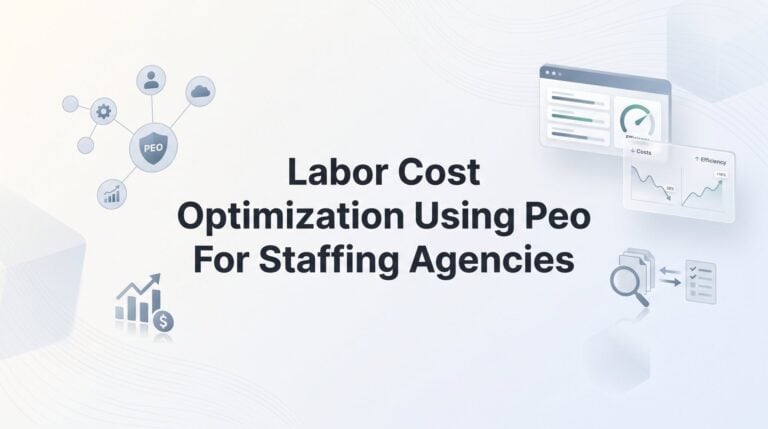
Staffing agencies operating on thin margins can reclaim profitability through strategic labor cost optimization using PEO for staffing agencies by targeting the biggest expense drains: workers’ comp premiums for temporary workers, rising health insurance costs, and mounting compliance overhead. This practical guide shows you how to audit your current labor expenses, identify which costs a Professional Employer Organization can genuinely reduce, and structure a PEO partnership that delivers me…
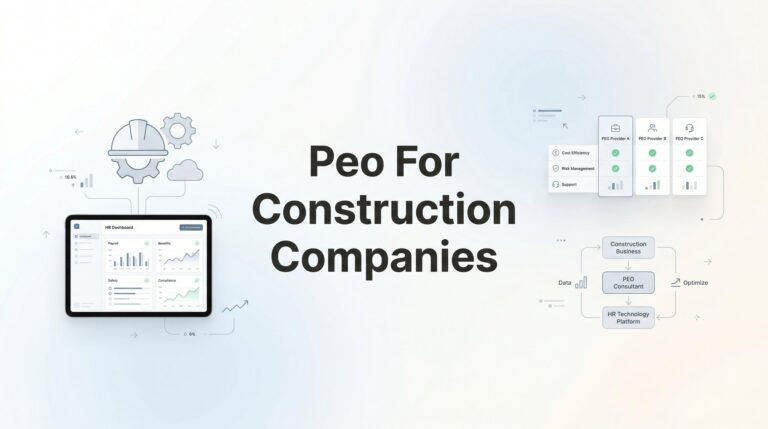
Construction companies need specialized PEOs that understand industry-specific challenges like multi-state compliance, certified payroll for prevailing wage work, fluctuating workforce sizes, and high workers’ comp exposure. This guide evaluates the eight best PEOs for construction companies in 2026 based on their construction expertise, workers’ comp handling, Davis-Bacon compliance capabilities, and ability to manage union payroll and job-costing requirements.
Construction companies face unique HR challenges including seasonal workforce fluctuations, multi-state operations, and high workers’ comp costs. While a Construction PEO can deliver lower insurance rates, better benefits, and OSHA compliance support, the arrangement isn’t always straightforward—success depends on understanding where PEOs add genuine value in construction versus where they create operational friction that could impact your bottom line and job competitiveness.
