Coverage of tax responsibility, workers’ comp, liability exposure, and regulatory obligations under co-employment.
Flooring contractors face unique compliance challenges including multi-state operations, worker classification issues, OSHA silica dust requirements, and prevailing wage reporting. This guide explains what flooring PEO compliance support actually covers for installation businesses, identifies common gaps in generic PEO services, and provides a framework for evaluating whether a PEO can handle the specific regulatory exposures flooring companies face beyond standard HR administration.
Plumbing PEO compliance support handles employment law, workers’ comp administration, and multi-state payroll taxes, but typically doesn’t cover trade-specific requirements like OSHA trenching standards, apprenticeship ratios, prevailing wage determinations, or state licensing board regulations—the very compliance areas that most threaten plumbing contractors’ licenses and trigger substantial penalties.
Roofing PEO compliance support varies widely between providers—some offer genuine help with OSHA requirements, workers’ comp audits, and multi-state wage laws, while others provide only generic templates. Understanding what’s actually included in roofing PEO compliance support is critical because liability for jobsite incidents remains with you regardless of marketing promises, making it essential to evaluate whether a PEO has real construction-specific experience before signing on.
Plumbing contractors paying 8-15% of payroll for workers comp often consider joining a Plumbing PEO Workers Compensation Program for rate relief, but these programs aren’t one-size-fits-all solutions. This guide explains how PEO workers comp programs actually work, what financial changes occur when you join a larger risk pool, and helps you determine whether switching from standalone coverage makes sense for your specific business situation.
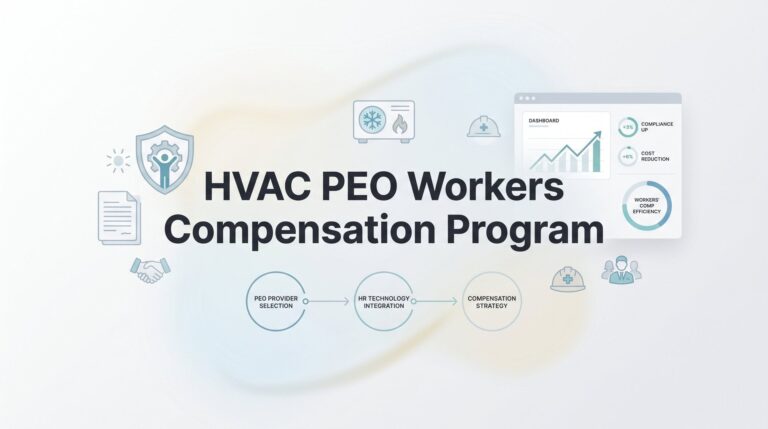
HVAC contractors facing workers comp costs of 8-15% of payroll often consider HVAC PEO workers compensation programs as a solution, but the reality is more complex than sales pitches suggest. This guide examines how these programs actually work for contractors, including the true costs, pooled risk implications, and whether pay-as-you-go premiums deliver the promised cash flow relief and rate savings.
HVAC PEO compliance support typically covers baseline HR requirements like tax filings and workers’ comp, but often falls short on industry-specific needs like EPA Section 608 certifications, OSHA rooftop safety protocols, and multi-state mechanical licensing. Understanding exactly what your PEO handles versus what remains your responsibility helps you avoid costly compliance gaps while ensuring your technicians meet the specialized regulatory requirements that general HR providers frequently…
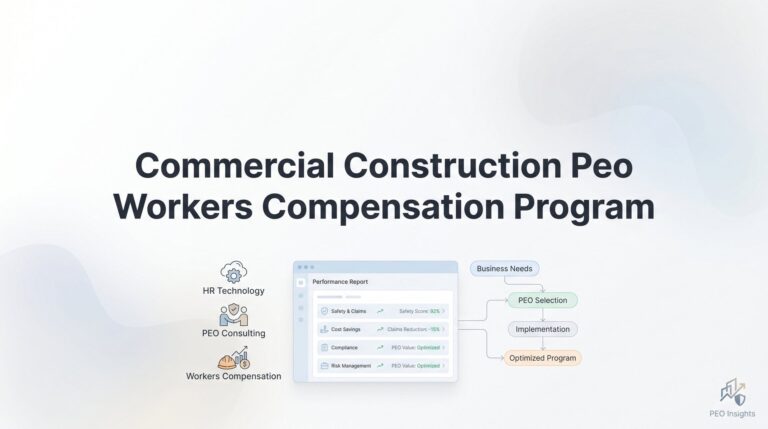
Commercial construction contractors face some of the highest workers compensation costs in the industry, and PEO workers compensation programs are often marketed as a cost-saving solution through risk pooling and master policies. However, a Commercial Construction PEO Workers Compensation Program isn’t automatically the right fit—success depends on understanding how these programs handle multi-trade class codes, claims management, and general contractor certificate requirements in real-world …
Commercial Construction PEO Compliance Support promises to handle payroll taxes, workers’ comp, and HR compliance for construction companies managing prevailing wage requirements, multi-state crews, and OSHA documentation. However, the construction industry’s unique compliance complexity means significant gaps often exist between what contractors assume their PEO covers and what’s actually delivered, creating potential costly exposures that require careful evaluation before partnering.
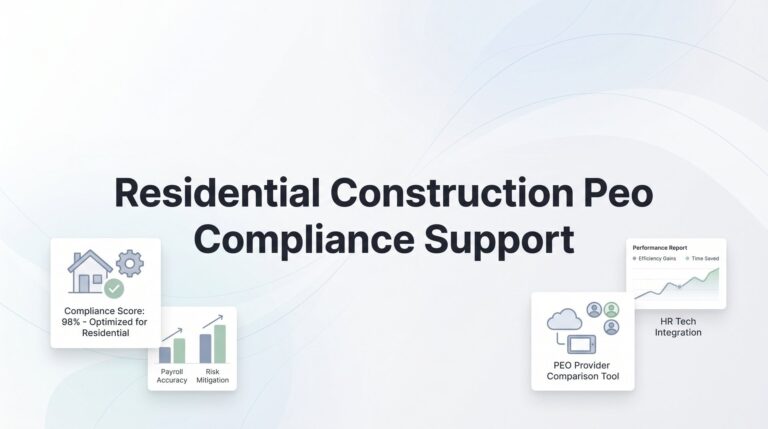
Residential construction PEO compliance support handles employment-related tasks like payroll taxes, workers’ comp certificates, and HR policies, but builders remain responsible for contractor licensing, OSHA inspections, and jobsite safety programs. This breakdown clarifies exactly which compliance burdens a PEO actually removes versus what stays with your construction business, helping builders make informed decisions beyond generic sales promises.
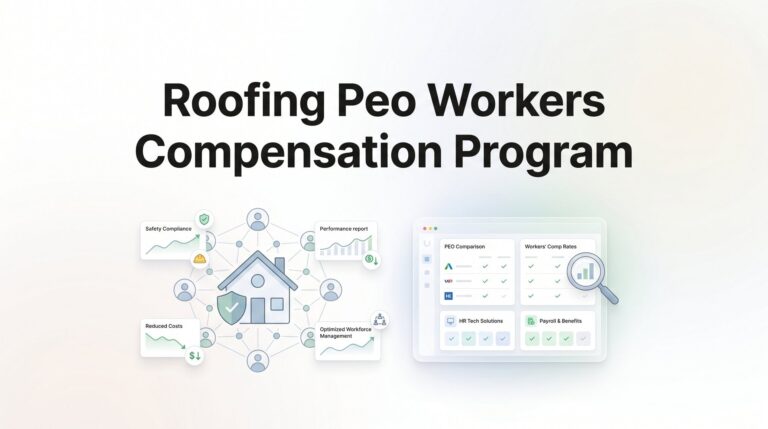
Roofing contractors facing high workers compensation costs often consider PEO programs as a solution, but these aren’t one-size-fits-all fixes. While a roofing PEO workers compensation program can offer pooled risk and better rates for some contractors, others may pay more after fees or get rejected due to poor claims history—making it critical to understand how these programs actually work before committing.
