Coverage of tax responsibility, workers’ comp, liability exposure, and regulatory obligations under co-employment.
When you engage a PEO, the co-employment structure fundamentally changes how labor costs appear in your financial statements, creating potential confusion for shareholders and board members. The PEO impact on shareholder reporting is significant: traditional payroll line items are replaced with bundled PEO invoices that combine wages, taxes, benefits, and fees, while headcount metrics may appear disconnected from expense trends, requiring finance teams to proactively explain these structural …
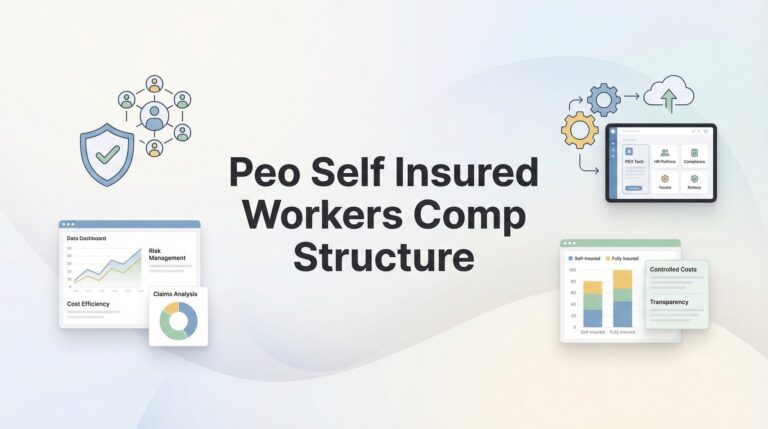
Most business owners don’t understand their PEO’s workers’ comp arrangement until a claim arises or renewal pricing seems inconsistent. The peo self insured workers comp structure operates differently than traditional fully-insured models—the PEO carries the financial risk of your claims rather than simply administering coverage, which directly impacts your pricing calculations, what happens when you leave the arrangement, and whether you’re subsidizing other companies’ claims experience.
PEO regulatory reporting legal risks don’t disappear when you outsource—employers remain liable when payroll tax filings, EEO-1 reports, or unemployment filings fail. This guide provides seven practical strategies to protect your business from enforcement actions in co-employment arrangements, focusing on operational safeguards that address where reporting failures actually occur and how to maintain accountability despite shared administrative responsibilities.
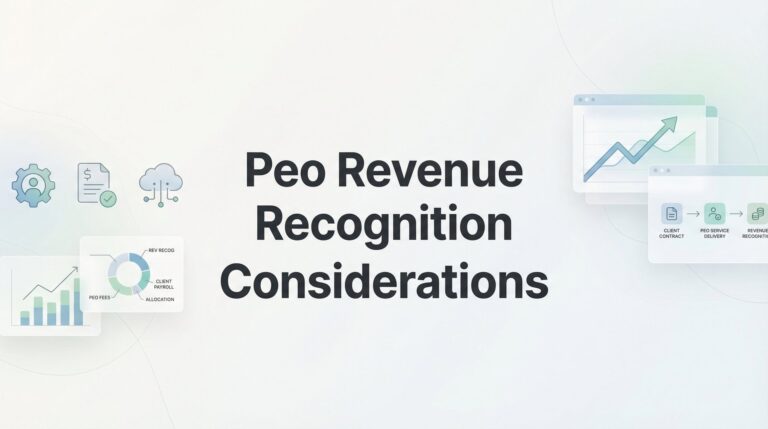
PEO revenue recognition considerations require careful attention because the legal structure of PEO arrangements—where the PEO technically employs your workers—doesn’t always match the economic reality of who bears the costs and controls the work. Understanding how to properly categorize PEO-related expenses, from payroll costs to administrative fees, is essential for accurate financial reporting and avoiding audit complications that arise from the unique way money flows through these co-empl…
PEO risk allocation between parties isn’t straightforward—the co-employment model creates a shared liability structure where some risks transfer to the PEO, some remain with the client company, and others fall into gray areas only clarified when problems arise. Most business owners mistakenly assume signing a PEO agreement offloads most HR liability, but the actual risk distribution depends on specific contract terms, state regulations, and the nature of each compliance issue or claim.
Partnering with a PEO creates a co-employment relationship where legal responsibilities are shared, not transferred. While PEOs handle day-to-day HR functions, business owners remain liable for compliance gaps the IRS or Department of Labor may uncover. Implementing PEO legal oversight best practices helps you maintain necessary visibility into wage claims, worker classification, and benefits administration without micromanaging every decision, protecting your business from unexpected legal e…
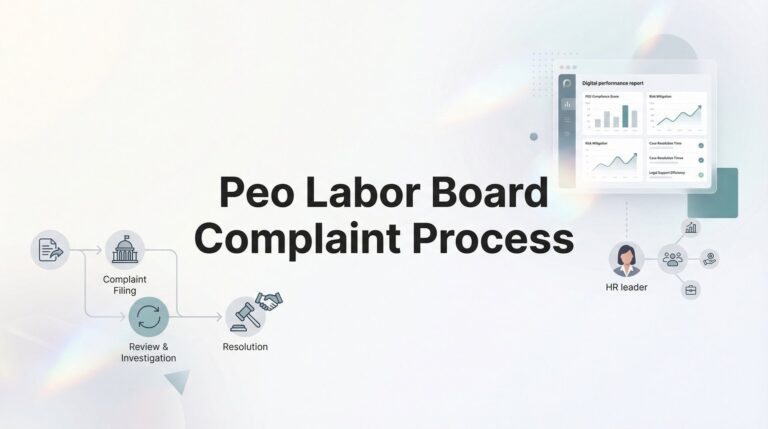
When a labor board complaint arrives while using a PEO, the co-employment relationship creates confusion about who handles what. This guide clarifies the PEO labor board complaint process, explaining how responsibilities are divided between you and your PEO, who responds to regulatory agencies, where liability actually falls, and the critical notification deadlines in your service agreement that could leave you unprotected if missed.
Joining a PEO doesn’t always eliminate workers’ comp collateral requirements—some PEOs require letters of credit or cash deposits worth months of premium, while others require none. This guide explains when and why PEO workers comp collateral requirements vary, what forms they take, and how to evaluate whether a PEO’s collateral structure aligns with your business’s cash flow needs before signing a contract.
When you join a PEO, your workers comp claims frequency doesn’t function like it does under a traditional policy—your claims get pooled with hundreds of other employers, meaning both your individual frequency and the entire pool’s performance affect your costs. This creates a shared risk scenario where high-risk businesses can benefit from a stable pool, while low-risk companies might pay more if the pool’s claims frequency deteriorates, making it essential to understand peo workers comp clai…
Restaurant owners face constant litigation exposure from wage disputes, workplace injuries, and employment claims due to high turnover and tipped workers. This framework shows how to strategically deploy a PEO for restaurants litigation risk mitigation—not just for HR convenience, but as structural defense that builds defensible systems preventing lawsuits before they materialize and strengthening your position when claims arise.
