Contract reviews, exit planning, transition steps, and what happens when you leave a PEO.
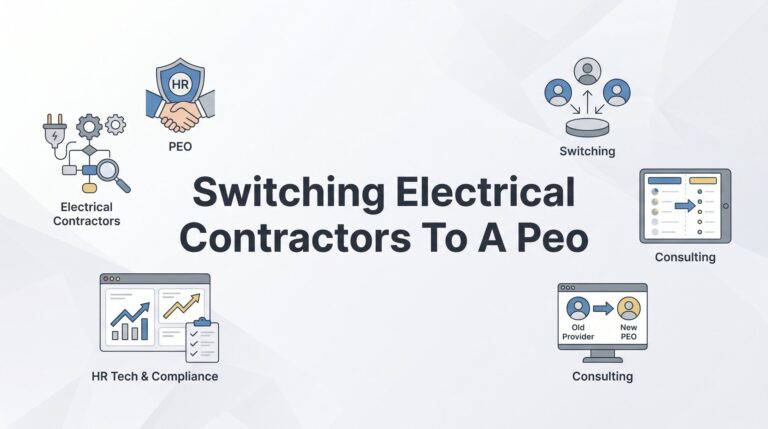
Electrical contractors considering switching to a PEO need a specialized transition plan that addresses workers’ comp experience mods, apprenticeship programs, and prevailing wage compliance—challenges that generic PEO guides overlook. This practical guide provides electrical contractors with step-by-step instructions for transitioning to a PEO without coverage gaps or payroll disruptions, including critical timing considerations, required documentation, and how to verify your PEO can handle …

Switching painting contractors to a PEO can streamline your wildly fluctuating crew sizes, scattered job sites, and overwhelming workers’ comp costs without requiring downtime or complex expertise. The transition demands strategic planning around your experience modifier, seasonal staffing patterns, and construction-specific payroll challenges—but it’s far simpler than managing the administrative chaos of doing it yourself with basic tools and generic support.
Painting contractors face unique challenges with standard PEO contracts that don’t account for seasonal workforce fluctuations, multi-state operations, and high-risk workers’ comp classifications. Before signing, negotiate critical painting contractors PEO contract terms including flexible pricing for crew size changes, audit fee caps, reasonable exit clauses, and industry-specific workers’ comp handling to avoid costly surprises when your headcount doubles for commercial projects or you need…
Understanding your Painting Contractors PEO Cancellation Policy before signing is critical because seasonal workforce fluctuations and high-risk workers’ comp classifications create unique exit complications for painting businesses. Most contractors overlook cancellation terms until they face billing disputes or service issues, only to discover restrictive language around audit reconciliation, notice periods, and unexpected fees that can trap them in unfavorable agreements for months.
Before signing with a PEO, electrical contractors must understand cancellation policies that directly impact workers’ comp coverage, certified payroll reporting, and jobsite operations. Most contractors overlook these terms until rate hikes or service issues force an exit, only to discover that mid-contract cancellations can create compliance gaps on prevailing wage jobs and liability exposure during transitions.
Roofing contractors face unique PEO cancellation challenges due to seasonal workforce fluctuations, workers’ comp experience mods, and project-based staffing that can turn a $3,000 monthly fee into a $15,000 early termination penalty plus recaptured discounts. Understanding your roofing PEO cancellation policy before signing is critical, as negotiating exit terms is easiest when the PEO wants your business, not when you’re leaving.
Most HVAC contractors carefully compare PEO pricing and benefits but overlook cancellation policies until they need to exit a contract. Understanding HVAC PEO cancellation policy terms—including notice periods, termination fees, auto-renewal clauses, and how they affect your workers’ comp experience mod and contractor license—can save you thousands and prevent coverage gaps that jeopardize your business.
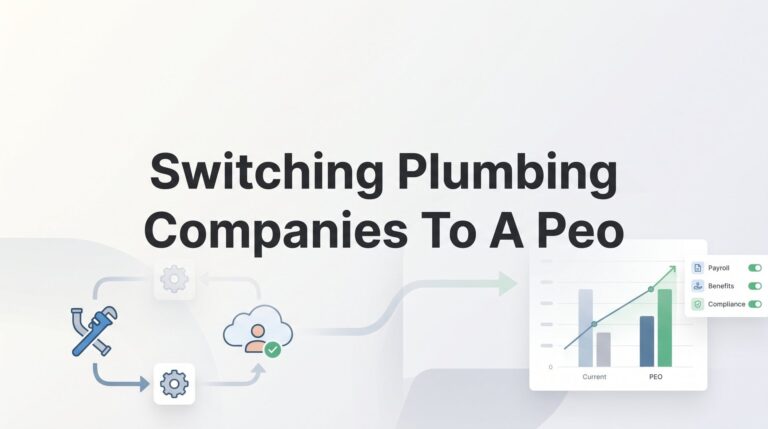
Switching plumbing companies to a PEO requires careful planning to avoid payroll disruptions, workers’ comp coverage gaps, and licensing complications during the transition. This practical guide walks plumbing business owners through the critical steps to successfully move to a Professional Employer Organization while maintaining active job sites, ensuring continuous employee coverage, updating contractor certifications, and preventing compliance issues that could jeopardize operations.
Before signing with a PEO, plumbing contractors must carefully review the plumbing PEO cancellation policy to avoid costly surprises like lengthy lock-in periods, 90-day notice requirements, and substantial early termination fees that can trap you in unfavorable agreements. Understanding these cancellation terms upfront—including renewal dates, notice periods, and exit penalties—protects your business from being stuck with poor service or inflated workers’ comp rates when you need flexibility…
Before signing a PEO contract, roofing contractors must negotiate terms that reflect their unique high-risk industry, not generic office-worker agreements. Standard PEO contracts ignore critical roofing-specific factors like high workers’ comp codes (5551/5552), seasonal workforce fluctuations, and subcontractor classification issues—creating negotiable leverage points that can save you significant costs and liability exposure if you know which provisions to challenge.
