Contract reviews, exit planning, transition steps, and what happens when you leave a PEO.
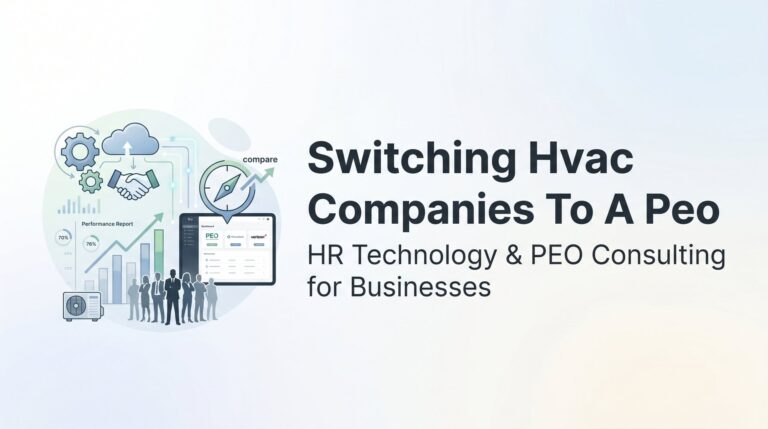
Switching HVAC companies to a PEO requires careful planning beyond basic HR transitions, especially with field technicians, varying certifications, and seasonal workforce demands. This practical guide covers the complete transition timeline, essential paperwork, team communications, and common pitfalls specific to mechanical contractors—whether you’re moving from in-house management or changing PEO providers.
HVAC contractors often sign PEO contracts during crises without understanding critical terms like minimum billing requirements, workers’ comp claims control, and exit penalties. This guide identifies the specific HVAC PEO contract terms you must negotiate—including seasonal staffing flexibility, injury claims authority, and termination conditions—before committing to a partnership that could lock you into unfavorable obligations for years.
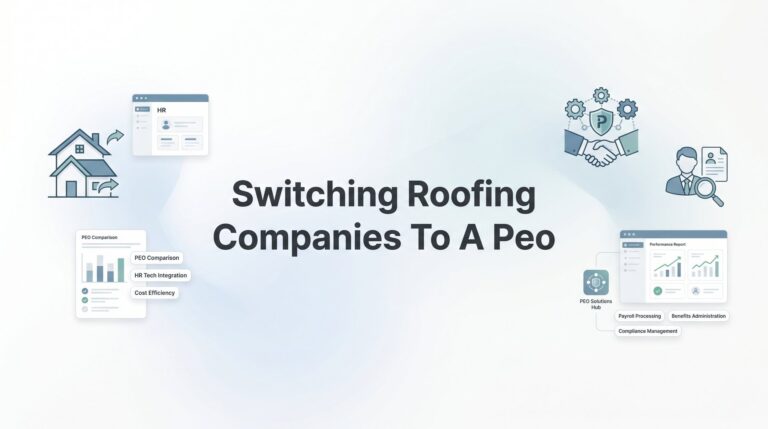
Switching roofing companies to a PEO requires careful planning to avoid payroll disruptions, workers’ comp coverage gaps, and crew confusion during the transition. This practical guide addresses roofing-specific challenges like high-risk classification codes, seasonal workforce management, and maintaining your experience mod rate while transitioning to a PEO partner without operational chaos.
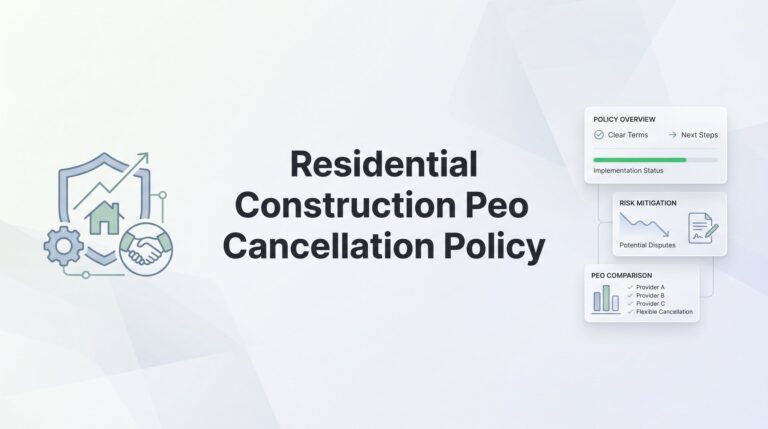
Before signing with a PEO, residential contractors must understand cancellation policies including notice periods, exit costs, and workers comp claim transitions. Active job sites, ongoing claims under the PEO’s master policy, and your experience modification rating create operational challenges during termination that require careful planning to avoid coverage gaps and financial penalties.
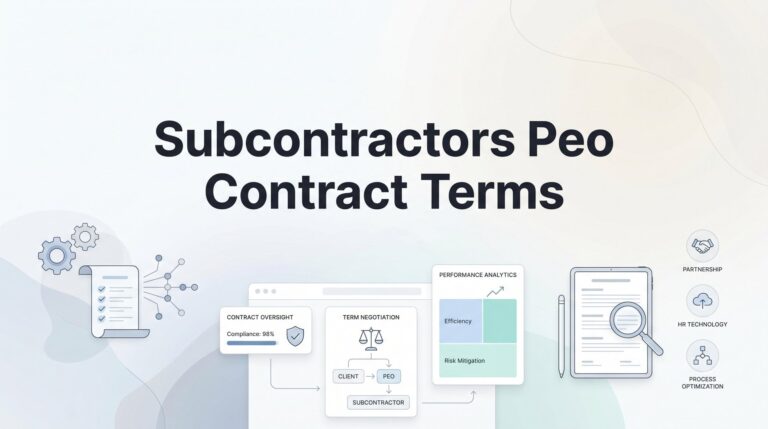
Before signing a PEO agreement, business owners using subcontractors must carefully review subcontractors PEO contract terms to avoid costly surprises. Most PEO contracts exclude 1099 independent contractors from coverage, leaving gaps in workers’ comp protection, creating potential misclassification liability, and requiring specific notification procedures for workforce changes that could expose your business to unexpected legal and financial risks.
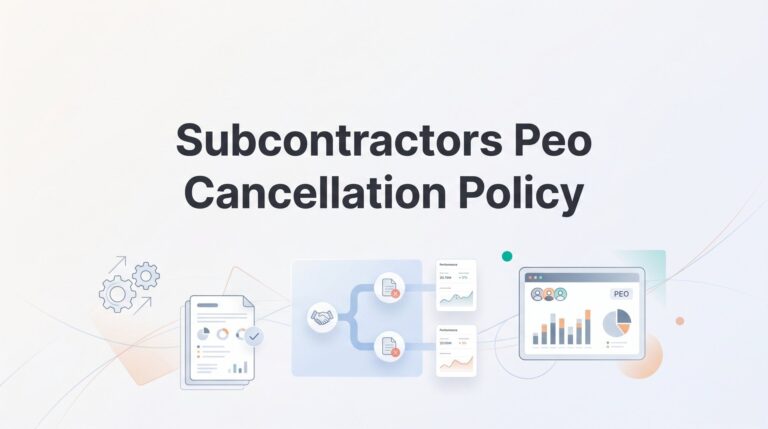
Many business owners don’t realize that hiring 1099 subcontractors can trigger a subcontractors PEO cancellation policy review or even contract termination. PEOs assume legal liability for W-2 employees, so when your workforce composition shifts toward independent contractors, it creates unpriced risk exposure that may violate your agreement terms. Understanding these workforce ratio thresholds and documentation requirements is essential before bringing subcontractors onto projects while main…
Switching your commercial construction company to a PEO requires careful navigation of industry-specific challenges like workers’ comp class codes, certified payroll requirements, and fluctuating headcount that standard transition guides ignore. Missteps during the switch can trigger jobsite shutdowns, audit penalties, and jeopardize your ability to bid on bonded projects, making a construction-focused transition strategy essential to avoid costly compliance gaps.
Commercial construction contractors face unique PEO cancellation challenges that standard 30-day notice periods don’t address, including workers’ comp mod timing, active jobsite coverage gaps, and seasonal crew cycles that can trigger costly premium adjustments. Understanding your commercial construction PEO cancellation policy before signing is critical because misaligned exit timing with project schedules, insurance periods, and prevailing wage documentation can turn a routine cancellation …
Switching residential construction companies to a PEO requires careful planning to avoid disrupting active job sites, payroll cycles, and workers’ comp coverage. This practical guide outlines the specific timing, compliance considerations, and operational steps contractors need to execute a seamless PEO transition without creating insurance gaps or liability exposure that could shut down operations.
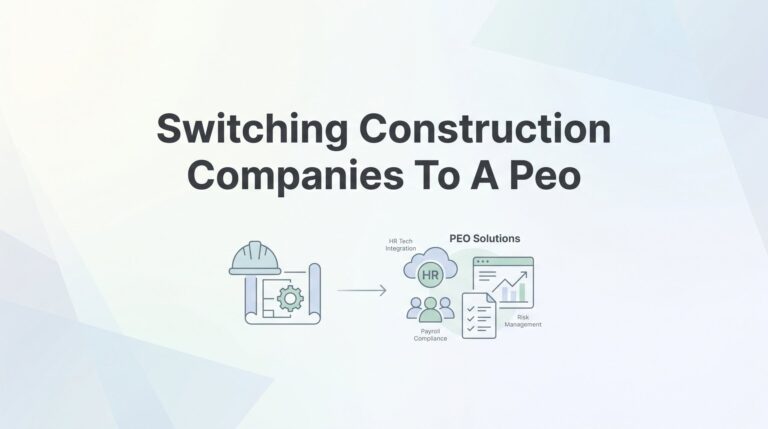
Switching construction companies to a PEO requires careful coordination to avoid workers’ comp coverage gaps, payroll disruptions, and benefit transition problems. This step-by-step guide helps construction business owners execute the transition smoothly while maintaining operations and compliance, addressing industry-specific challenges like experience modifiers, payroll cycle alignment, and crew communication during the handoff process.
