Contract reviews, exit planning, transition steps, and what happens when you leave a PEO.
When selling or buying a business, your existing PEO contract can create unexpected obstacles through change of control clauses, assignment restrictions, and termination penalties that weren’t designed for ownership transitions. This guide provides actionable steps for PEO contract renegotiation during sale, explaining the leverage points available to both sellers and buyers, common pushback from PEO providers, and critical mistakes that can delay closing or trigger costly fees neither party …
When selling or acquiring a business that uses a Professional Employer Organization, your PEO employment contract review during sale becomes critical to avoiding deal delays, valuation reductions, and unexpected post-closing liabilities. This guide covers the transaction-specific contract elements you must examine—including assignment provisions, termination triggers, employee transition procedures, and hidden M&A costs—so both buyers and sellers can navigate due diligence confidently and pro…
Before signing a PEO contract, business owners must carefully examine termination clauses that often include 90-day notice requirements, early termination fees up to $5,000, and post-exit benefit obligations. A thorough peo termination clause legal analysis reveals these provisions aren’t just formalities—they define exit costs, timeline restrictions, and ongoing financial obligations that can trap businesses in underperforming partnerships long after they’ve decided to leave.

When your PEO gets acquired, you face unique governance challenges including potential pricing changes, benefits alterations, and system migrations that happen with limited notice. This guide provides a specific framework for PEO acquisition transition governance, helping business owners protect their operations, maintain negotiating leverage, and decide whether to stay with the acquiring company or switch providers while avoiding payroll disruptions and compliance gaps.

After closing an acquisition, companies face the critical challenge of merging two different PEO relationships, payroll systems, and benefits structures without triggering costly penalties or losing key employees. This practical 6-step framework guides you through building a PEO post-acquisition integration plan that addresses everything from contract termination clauses and benefits transitions to workers’ comp rate impacts, helping you navigate the 90-day window when most expensive mistakes…
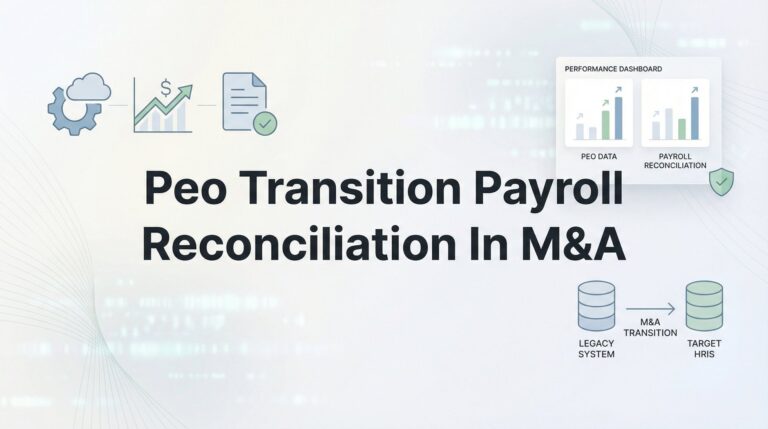
When executing PEO transition payroll reconciliation in M&A deals, you’re managing far more than a simple vendor switch—you’re merging employee records across systems, reconciling mid-year wage histories, and ensuring tax liabilities transfer correctly between legal entities. This guide provides the mechanical steps to accurately reconcile every payroll dollar, tax deposit, and employee record during acquisition-driven PEO transitions, helping you avoid W-2 corrections, tax penalties, and emp…

Before finalizing your PEO transaction closing, this HR checklist addresses the critical but often overlooked items that determine whether your transition succeeds or stalls. From auditing employee data accuracy to verifying compliance documentation, these seven essential steps prevent delays, avoid gaps in coverage, and ensure employees experience a seamless transition on day one of your new PEO relationship.
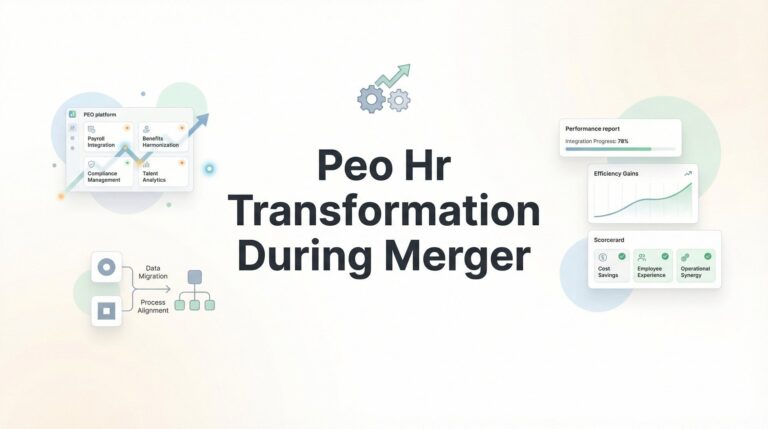
When one or both merging companies use a PEO, you face incompatible payroll systems, conflicting benefits dates, and unclear insurance coverage that can derail your deal. This guide walks through the operational mechanics of PEO HR transformation during a merger, from timing transitions around non-negotiable benefits deadlines to negotiating provider contracts and maintaining employee coverage throughout the integration process.
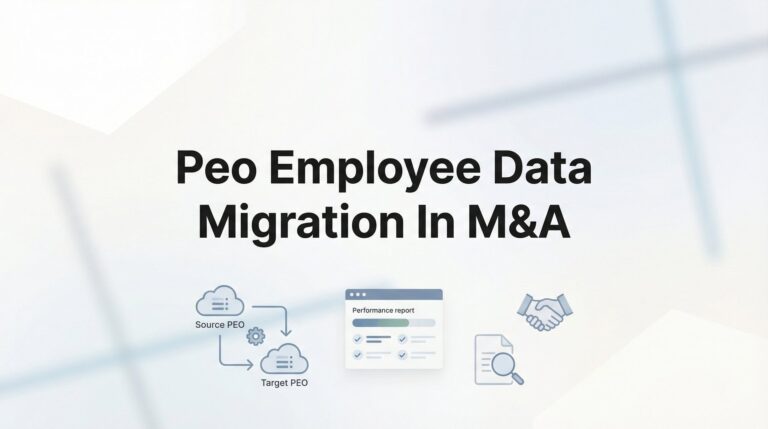
Merging companies means migrating employee data between PEOs—a complex process that can derail M&A deals if mishandled. This guide walks through the practical challenges of PEO employee data migration in M&A, from navigating conflicting timelines (90-day termination notices versus 60-day close deadlines) to maintaining payroll continuity, benefits coverage, and compliance across multiple state jurisdictions without losing critical employee records or creating W-2 errors.
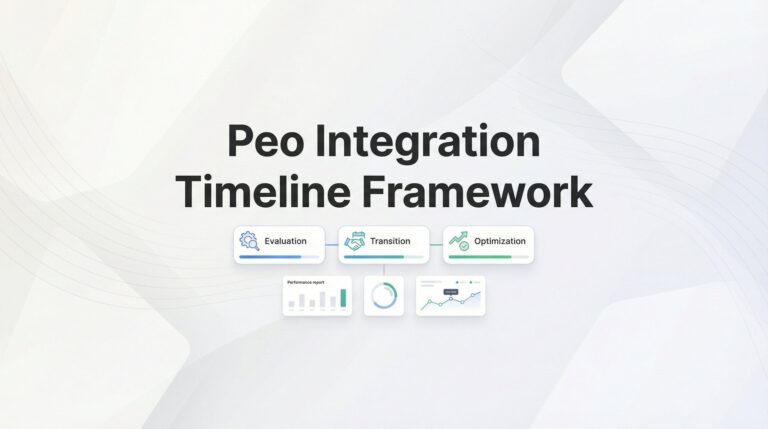
Most PEO implementations take 30-90 days, but success depends on choosing the right PEO integration timeline framework for your specific situation rather than accepting generic provider schedules. This guide presents seven distinct frameworks tailored to different business constraints, risk tolerances, and deadlines—from 30-day emergency sprints to methodical mid-year transitions—helping you avoid the payroll errors and benefits gaps that plague rushed implementations.
