

Property management companies face a uniquely complex workforce environment, and a PEO can ease many of those friction points — but it can also introduce constraints that don’t fit how the industry operates. This article examines seven specific dimensions of the PEO relationship, from workers’ comp classifications and multi-state compliance to cost structure and exit risk, giving property management teams a grounded framework for evaluation.
An 18-person startup has employees in three states, a senior engineer has just accepted a competitor's offer because the benefits are better,…

At the 50-employee mark, engineering firms face HR complexity that informal processes can’t handle but a full internal department can’t yet justify. This guide offers seven structured strategies for evaluating a PEO through the lens of engineering-specific needs, including specialized benefits, workers’ comp classifications, and multi-state compliance obligations.

Architecture firms present a unique workers’ compensation challenge because the same employees often move between low-risk office work and higher-risk job-site duties. This article explains how an Architecture PEO Workers Compensation Program should be structured to reflect those dual risk profiles, prevent costly misclassification, and eliminate surprise audit exposure at year-end.

Architecture firms face a distinct set of considerations when evaluating a PEO, from managing licensed professionals and project-based staffing swings to navigating liability exposures that differ from general office environments. This article gives firm principals and HR leaders a clear-eyed look at what genuinely changes under a PEO co-employment arrangement and where the real trade-offs tend to surface.
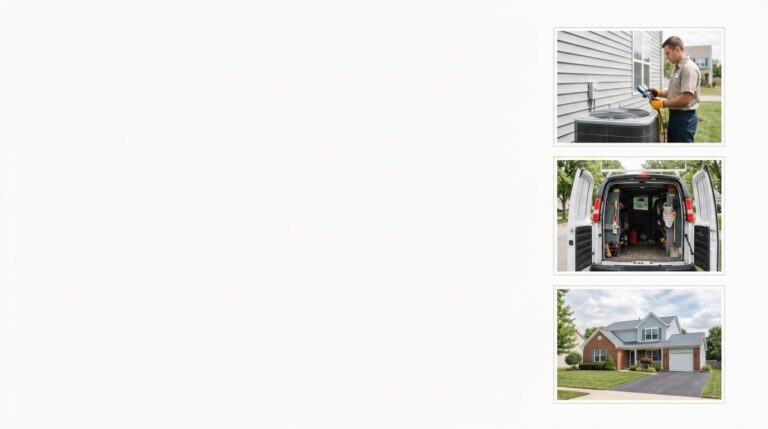
Property management companies face a distinct HR challenge: mixed workforces, high-risk workers’ comp codes, multi-state compliance, and thin margins. This guide evaluates eight PEO providers on how well they handle that reality, helping property management firms find the right fit before signing a contract.

Architecture firms face unique HR challenges — licensed professionals, fluctuating project headcount, and complex workers’ comp classifications — that most PEO providers aren’t built to address. This guide evaluates the top architecture PEO providers across a range of firm sizes and service approaches to help you find the right co-employment partner.

Most companies pay between $40 and $160 per employee per month or 2% to 12% of payroll in PEO administrative fees. True…

Manufacturing and industrial businesses face HR challenges that generic PEO solutions rarely address well, from NCCI workers’ compensation classifications and OSHA recordkeeping to shift-differential payroll across multiple facilities. This guide evaluates top machine PEO providers to help manufacturing and industrial operators find the right fit before committing to a contract.

Industrial maintenance companies at the 50-employee mark face a distinct set of PEO challenges — from workers’ compensation class code treatment to OSHA co-employment obligations — that general-purpose providers are rarely equipped to handle. This article walks through seven targeted strategies to help industrial maintenance employers select a PEO that fits their risk profile, compliance requirements, and operational realities.

Small and mid-size industrial maintenance employers often struggle to offer the competitive benefits packages that attract and retain skilled technicians. This article explains how accessing industrial maintenance employee benefits through a PEO can level the playing field by providing better health coverage, workers’ comp rates, and retirement options without the administrative burden of going it alone.

An Oilfield Services PEO Workers Compensation Program can help small-to-midsize operators stabilize one of their most volatile cost lines, but coverage quality depends entirely on how the program is built. This article breaks down program structures, critical coverage questions, and the gaps most likely to surface only after a claim.