

Property management companies face a unique benefits challenge: a fragmented workforce of leasing agents, maintenance technicians, and seasonal staff that standard group health plans were never designed to serve efficiently. This article explains how a Professional Employer Organization can give property management HR leaders access to competitive employee benefits through co-employment, often at lower cost and with less administrative burden.
An HR director has three payroll proposals open on the same screen. One vendor charges a low per-employee fee, another bundles payroll…

PEO agreements in property management are structured to retain clients, and the cancellation provisions are where that strategy lives. This article breaks down the notice windows, automatic renewal clauses, early termination fees, and benefits alignment dates you need to understand before you sign — or before you try to leave.

Engineering PEO pricing is notoriously difficult to compare, and engineering firms face added complexity from high salaries, mixed workforce classifications, and multi-state obligations. This article breaks down how PEO cost structures work and what firms should scrutinize before signing a contract.

Architecture PEO contract terms present unique risks for firms managing licensed professionals, project-based payroll, and multi-state registrations — risks that generic client service agreements rarely address clearly. This guide walks architecture firm leaders through the contract language that matters most before they commit to a PEO arrangement.

Property management companies face a uniquely complex HR landscape — spanning multi-state compliance, elevated workers’ compensation risk, and a fluctuating workforce — that makes the choice between a PEO and in-house HR consequential. This article breaks down seven key factors to help HR leaders and owner-operators determine which model fits their portfolio’s size, structure, and growth trajectory.

Engineering PEO Payroll Services are designed to handle the layered compliance demands that standard payroll platforms miss — from multi-state withholding registrations to certified payroll on federally funded projects. This article helps small-to-mid-size engineering firms understand what separates a capable PEO partner from a generic provider before they commit.
A 120-person SaaS company closes a major deal that requires a dedicated customer success manager in Germany and a sales engineer in…

Architecture firm PEO cancellation policies carry financial and operational consequences that generic business guides rarely address, from missed notice windows to workers comp transitions across office and field environments. This article serves as a diagnostic guide for firms evaluating an exit from a current PEO or reviewing cancellation terms before signing a new agreement.
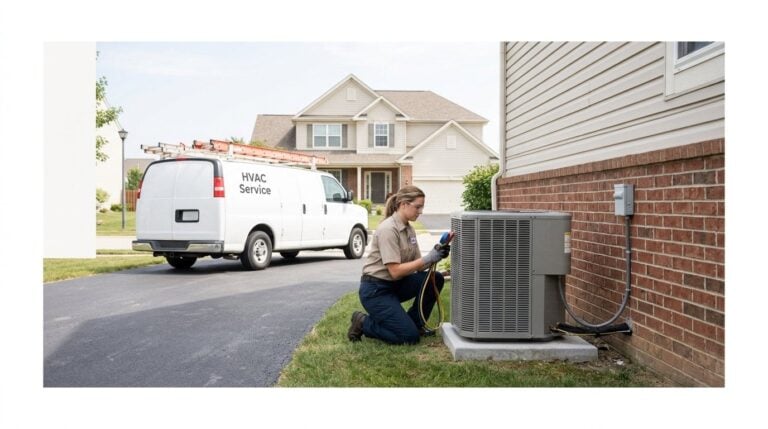
Engineering firms face a meaningful choice between a Professional Employer Organization and a standalone payroll provider — one that affects multi-state compliance, workers’ comp classification, and benefits competitiveness. This comparison evaluates eight platforms across those dimensions to help engineering firm leaders choose the right fit before signing a contract.

A Property Management PEO Workers Compensation Program can solve the classification and premium challenges that come with a mixed-role workforce — but only if the PEO genuinely understands how leasing, maintenance, and groundskeeping roles differ in risk. This article walks through what to evaluate before you sign.

Engineering firms face a unique workers compensation challenge because their workforces span vastly different risk profiles, from office-based engineers to field technicians at active job sites. This article explains how a well-structured Engineering PEO Workers Compensation Program uses proper class code segmentation and carrier expertise to ensure firms pay rates that actually reflect their employees’ real exposures.