
Manufacturing PEO contract terms carry higher stakes than most employers realize, with provisions around OSHA recordkeeping, workers’ compensation class codes, and coverage continuity behaving very differently in a production environment than in a standard office setting. This article walks manufacturing HR leaders through the specific clauses most likely to surface problems during an inspection, audit, or unexpected renewal conversation.
Machine-operating businesses face classification complexity, audit swings, and claims exposure that standalone workers compensation policies often handle poorly. This article breaks down how a Machine PEO Workers Compensation Program actually works, what the pooled risk structure means in practice, and what to evaluate before enrolling.
Most PEO versus EOR comparisons begin with a services checklist, then declare that both models handle payroll, benefits, and compliance. That advice…
Food manufacturing companies evaluating PEO providers face a pricing landscape shaped by shift-based workforces, elevated workers’ compensation exposure, food safety compliance obligations, and seasonal headcount swings. This article breaks down the fee structures, hidden cost drivers, and evaluation criteria HR directors, CFOs, and operations managers need to make a well-informed decision.

Manufacturing HR comes with unique challenges that generic PEO providers often overlook, from OSHA recordkeeping and workers’ comp class codes to shift differentials and skilled trades recruiting. This guide reviews eight PEO providers with demonstrated capability in the manufacturing sector, covering strengths, ideal fit, and what to verify before signing.
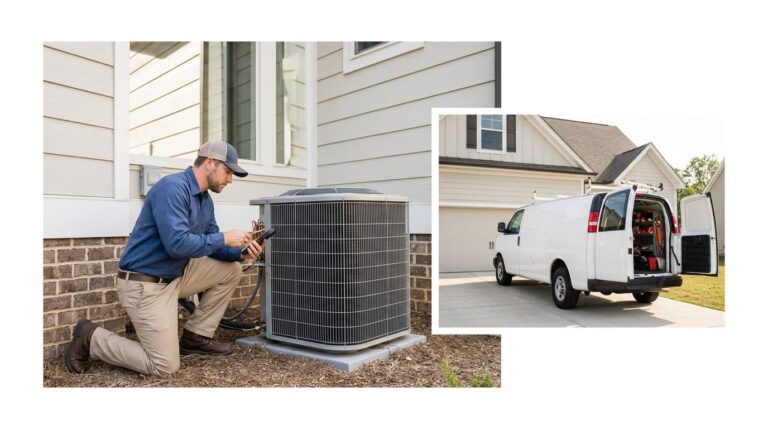
Machine shops face payroll complexity that standard vendors aren’t built for — blended pay structures, multiple workers’ comp classifications, shift differentials, and multi-state overtime rules. This article explains what Machine PEO Payroll Services cover under a co-employment arrangement and how to identify a PEO with the manufacturing expertise to handle it correctly.
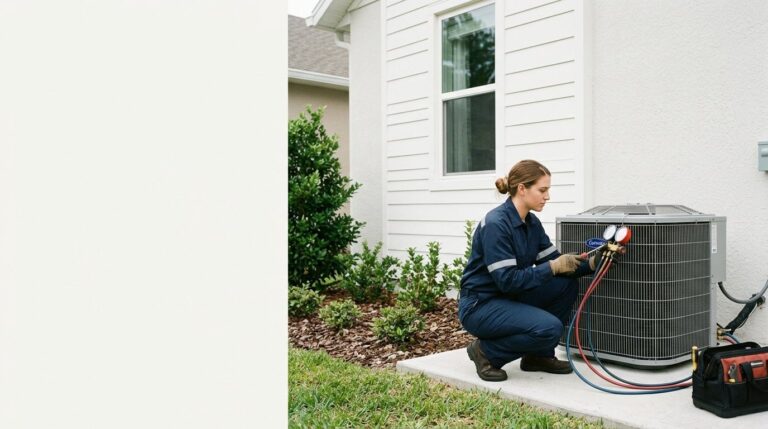
Food manufacturers face unique HR pressures — shift schedules, high workers’ comp exposure, and multilingual workforces — that generic benefit platforms rarely address well. This article outlines seven practical strategies for strengthening food manufacturing employee benefits through a PEO, from choosing the right provider to structuring coverage that resonates with a production workforce.
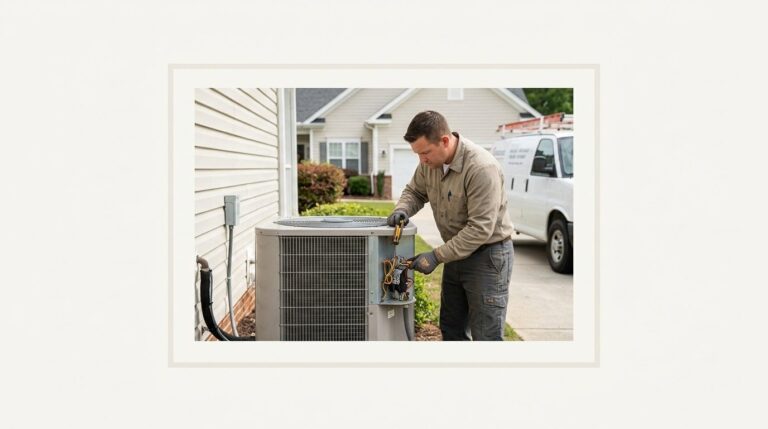
Manufacturing HR comes with unique challenges — shift differentials, workers’ comp class codes, and OSHA recordkeeping — that most general-purpose PEOs aren’t built to handle. This guide reviews eight top manufacturing PEO providers, starting with PEO Metrics as a comparison tool, to help production-focused businesses find the right fit before signing a contract.
An HR director at a 150-person manufacturing company gets a call about an injury on the plant floor. The operations manager has…

Manufacturing PEO Pricing & Cost Structure is notoriously difficult to evaluate because vendors bundle fees inconsistently and rarely explain the underlying cost drivers. This article breaks down each pricing component, including workers’ compensation, benefits administration, and payroll fees, so manufacturing HR leaders can assess proposals accurately and avoid costly surprises.

Machine PEO compliance support refers to the automated tools PEO platforms use to manage payroll taxes, ACA eligibility, new hire reporting, and regulatory updates — but capabilities vary significantly by provider and are not a complete substitute for informed human oversight. This article explains how the technology actually works, where it adds genuine value, and where gaps remain.

Managing employee benefits through a PEO lets small and mid-size companies access large-group health, dental, vision, and retirement plans they couldn’t negotiate alone — but the co-employment structure also shifts plan control and creates exit considerations that HR leaders need to understand before signing.