
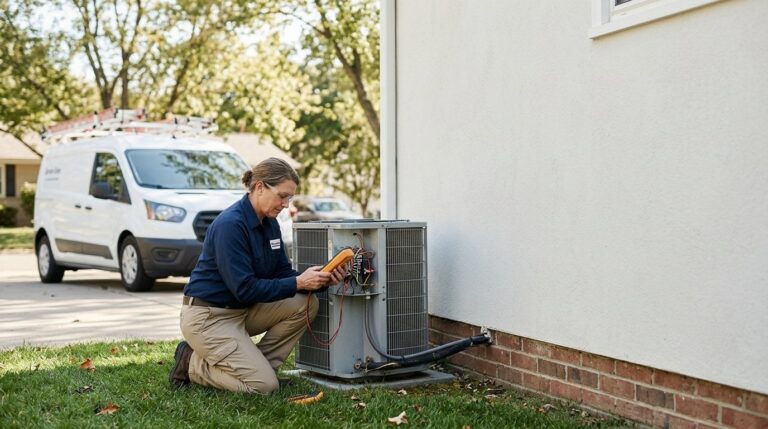
Oilfield services companies face a structurally distinct compliance burden — spanning high-hazard OSHA standards, DOT regulations, multi-state payroll, and some of the most expensive workers’ compensation classifications in any industry. This article explains what Oilfield Services PEO Compliance Support actually covers and why a specialist PEO is better positioned to carry that load than generic HR or payroll providers.
A finance leader may start with a simple question: How much will a professional employer organization cost per employee? That question matters,…
PEO pricing for industrial maintenance companies is shaped by high-risk job classifications, variable headcount, and significant workers’ compensation exposure that generic pricing guides overlook. This article breaks down the two main pricing models, how each interacts with your workforce profile, and what to evaluate before signing a PEO agreement.

Oilfield services companies face a distinct risk profile that generic PEO agreements are not built to handle, from top-tier workers’ comp class codes to master service agreement restrictions on co-employment. This article walks HR directors, CFOs, and operations managers through the PEO contract terms that matter most in the oilfield services sector, in plain language, before anything gets signed.
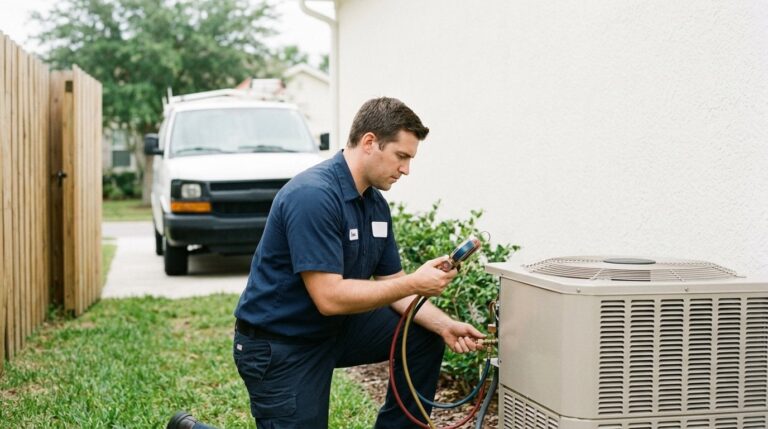
Oilfield services companies face payroll challenges that standard platforms were never built to handle, including multi-state crew rotations, fluctuating headcounts, and complex worker classifications. This article explains what Oilfield Services PEO Payroll Services cover and why a PEO structured for the oilfield environment is often the most practical path to compliance and cost control.

Oilfield services companies face unique HR and compliance demands that most standard PEOs cannot meet. This guide reviews the top oilfield services PEO providers evaluated on high-hazard workers’ comp experience, multi-state payroll capability, flexible headcount accommodation, and transparent pricing.
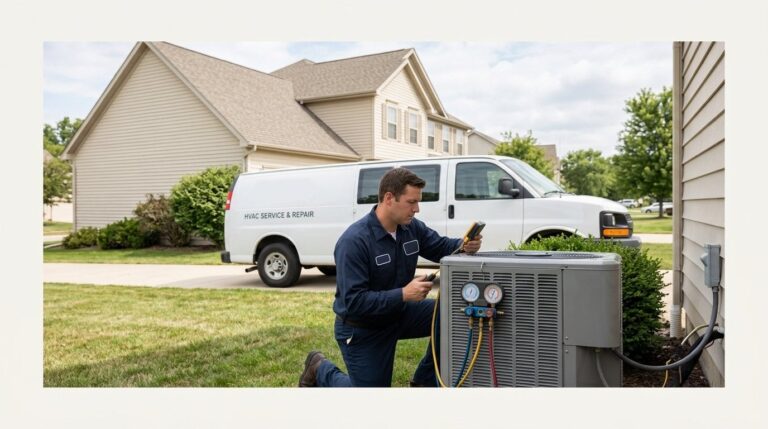
Industrial maintenance employers face workforce risks that standard PEO contracts rarely address adequately, from fluctuating headcount and high workers’ comp exposure to complex on-site liability. This guide walks HR leaders and business owners through the Industrial Maintenance PEO Contract Terms that carry the most financial and legal weight, so they know exactly what to scrutinize before signing or renewing.

Workers compensation insurance is one of the strongest reasons businesses partner with a PEO, yet program details vary far more than marketing language suggests. This guide evaluates nine top PEO providers for workers compensation insurance, helping businesses cut through headline promises and compare what each provider actually delivers on class code management, carrier relationships, and claims support.
A CFO at a 60-person US SaaS company has just signed its first customer in Frankfurt. Two German engineers need to start…

Manufacturing employers face unique benefits challenges, from high workers’ compensation exposure to competing for skilled trade workers. This guide outlines seven practical strategies for getting the most from manufacturing employee benefits through a PEO, covering benefit pooling, plan selection, and provider evaluation.

Auto dealerships face a uniquely layered compliance burden spanning wage-and-hour rules, OSHA hazardous materials standards, and multi-structure payroll — and not every PEO is equipped to handle it. This article outlines seven practical strategies for evaluating and leveraging Auto Dealerships PEO Compliance Support to reduce regulatory exposure across the entire rooftop.
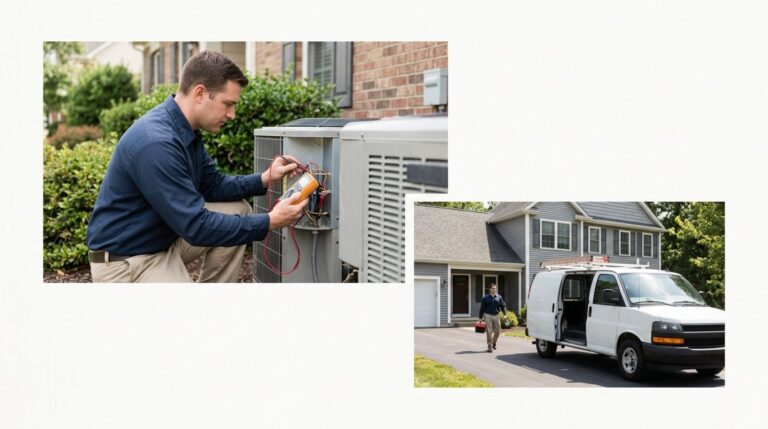
Machine PEO pros and cons look different for equipment dealers, auction operators, and field service shops than for typical office-based businesses. This diagnostic guide walks through the workforce characteristics — high workers’ comp classifications, variable headcount, and multi-state payroll — that determine whether a PEO is the right fit for your operation.