
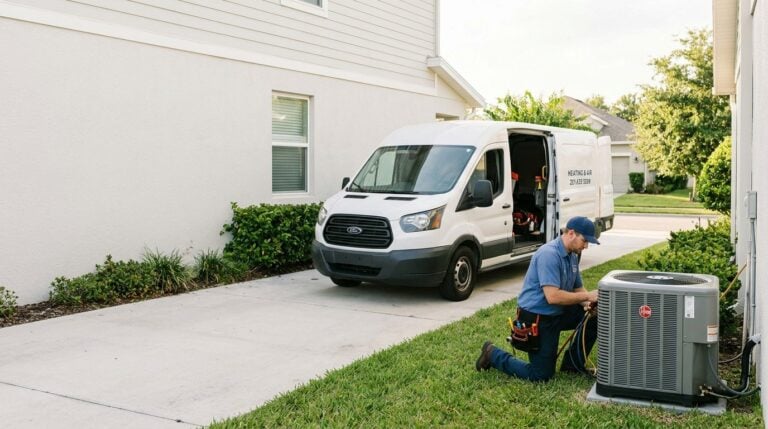
Manufacturing PEO Payroll Services are built to handle the layered complexity that generic payroll platforms overlook, including shift differentials, overtime calculations across departments, workers’ compensation class codes, and multi-state tax filings. This article explains what these services actually cover and why manufacturers need a PEO with genuine infrastructure for production payroll rather than a one-size-fits-all solution.

Manufacturing PEO compliance support spans a uniquely demanding set of obligations — from OSHA 1910 standards and workers’ comp class codes to multi-shift wage rules and piece-rate overtime math. This article breaks down what that support should actually cover on a plant floor and how manufacturers can evaluate whether a PEO is genuinely equipped to deliver it.
A 60-person company can reach the point where payroll errors, benefits renewals, workers' compensation questions, and multi-state filings consume more management time…
Machine PEO pricing looks different for manufacturers, trades contractors, and heavy equipment operators because workers’ compensation — not administrative fees — dominates the cost structure. This article breaks down what actually shapes PEO proposals for machine-intensive businesses, from classification codes and experience modification factors to policy structures, so employers can evaluate quotes accurately and negotiate from an informed position.

Food manufacturing carries some of the highest workers compensation costs in any industry, driven by cutting equipment, wet floors, repetitive-motion lines, and layered OSHA requirements. This article explains what a Food Manufacturing PEO Workers Compensation Program covers, why standard commercial policies often fall short, and how to choose a PEO partner that genuinely understands the industry’s risk profile.
Food manufacturing HR teams face a distinct mix of compliance demands, workers’ comp exposure, and hourly-workforce retention challenges that make the PEO decision more nuanced than most vendor pitches suggest. This article breaks down the real Food Manufacturing PEO Pros and Cons so HR leaders can evaluate co-employment on their own terms before signing.
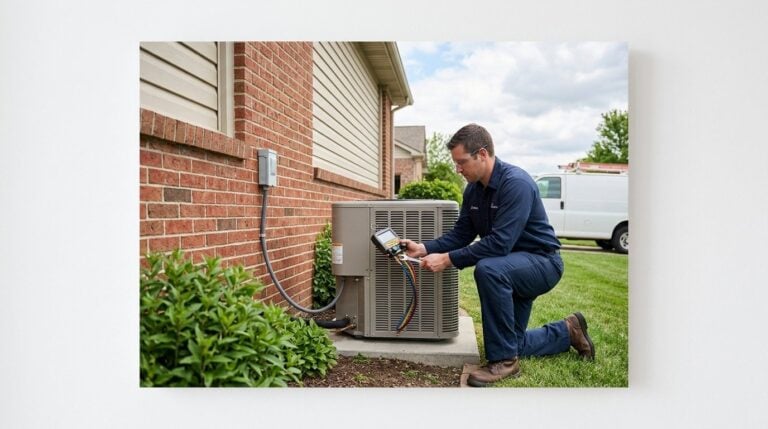
Manufacturing PEO pros and cons span real advantages — pooled workers’ comp programs, group benefits buying power, and streamlined payroll — alongside meaningful tradeoffs in co-employment structure, legal responsibility, and operational control that plant operators and HR leaders need to evaluate carefully before committing.
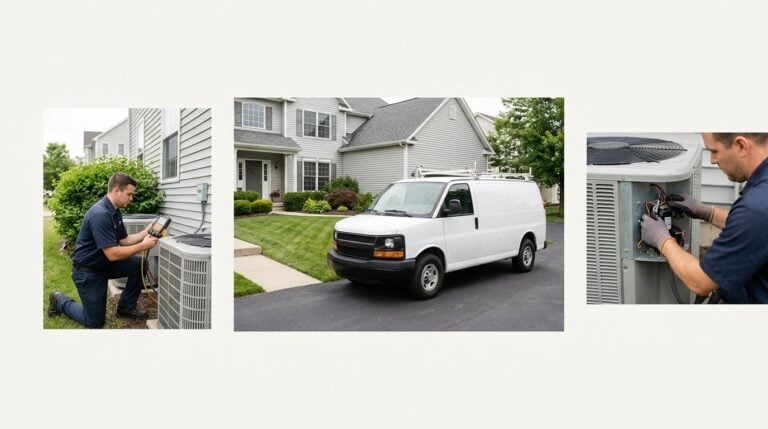
At roughly 50 employees, food manufacturing companies face compounding HR demands that are too complex to ignore yet too costly to staff internally. This guide outlines seven practical strategies for evaluating and maximizing a Food Manufacturing PEO for 50 Employees, from OSHA compliance and workers’ compensation to competitive benefits and co-employment structure.
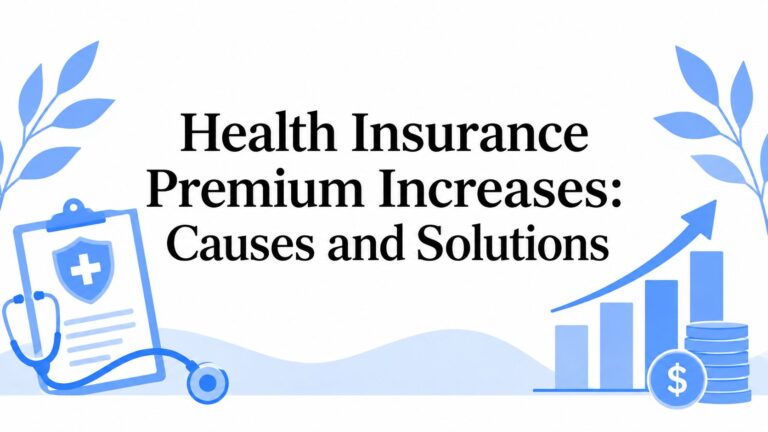
In 2024, employer-sponsored coverage averaged $25,572 for family coverage and $8,951 for single coverage, with family premiums rising 7% and single premiums…
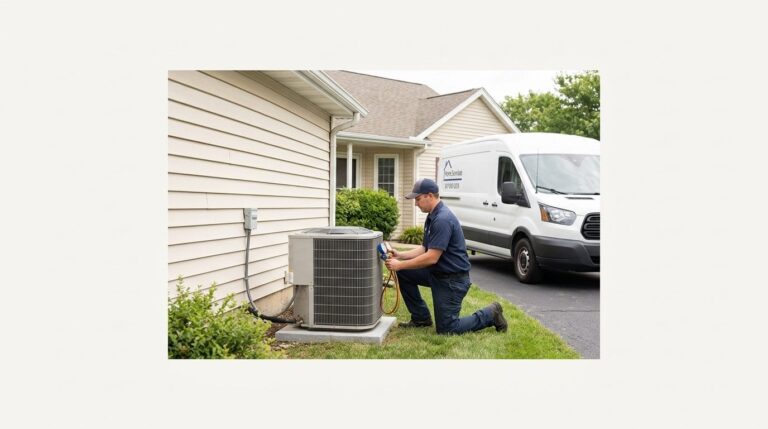
Distribution companies at the 50-employee mark face a unique HR and compliance profile that generic PEO advice rarely addresses. This article walks through seven practical strategies for evaluating a distribution PEO for 50 employees, covering workers’ comp accuracy, pricing transparency, multi-state compliance, and seasonal staffing flexibility.
A Manufacturing PEO Workers Compensation Program can reshape how manufacturers manage class code assignments, experience modifiers, and claims administration — but program design details matter as much as the quoted rate. This article walks manufacturing HR teams through how PEO workers comp programs are structured, where they differ from standalone policies, and what to evaluate before making a decision.
Machine shops face a demanding HR environment shaped by workers’ compensation exposure, OSHA requirements, and competitive pressure to attract skilled machinists — making PEO selection unusually high-stakes. This guide walks shop owners through seven practical strategies for identifying the best PEO for machine shops, with a focus on the decision points where shops most often overpay or choose the wrong provider.