
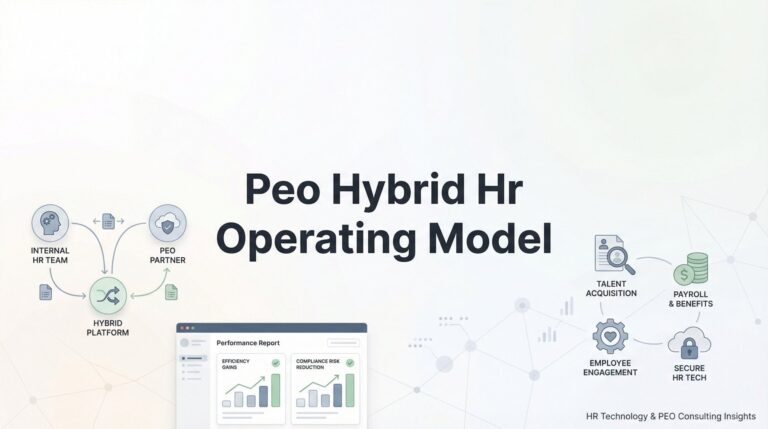
A PEO hybrid HR operating model allows companies to outsource compliance-heavy transactional HR tasks to a Professional Employer Organization while keeping strategic functions like culture and employee experience in-house. This approach delivers PEO infrastructure benefits—better insurance rates, compliance support, streamlined payroll—without surrendering full control of your HR function, though success requires deliberate planning around which functions to split and how to manage operationa…
Agriculture businesses struggle with seasonal labor spikes, high workers’ comp rates, and compliance complexities that generic PEO solutions can’t address. This guide reveals seven targeted cost containment strategies—including experience modification optimization, seasonal workforce structuring, and classification audits—that help agriculture operations using a PEO for agriculture benefits reduce overhead, match coverage to actual risk profiles, and achieve measurable savings across their un…
A PEO partnership can reduce employment liability, but only when deliberately aligned with your company’s legal risk landscape. This practical guide provides a step-by-step framework for integrating PEO services with legal risk management—covering exposure audits, accountability boundaries, and monitoring systems to prevent costly gaps in your co-employment arrangement.
Many companies wonder if they can use a PEO with an in-house payroll team without creating costly redundancy or threatening existing staff. The answer depends on clearly defining roles, understanding what each party handles, and being strategic about which functions you keep internal versus outsource. Success requires honest assessment of your actual needs—some organizations make this hybrid model work efficiently by leveraging the PEO for benefits and compliance while maintaining internal pa…
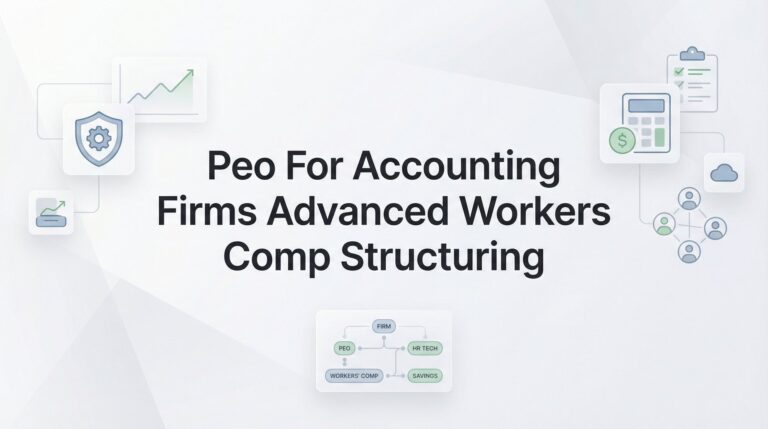
Accounting firms often overpay for workers compensation insurance due to broad industry classifications that don’t reflect their actual low-risk profile. A PEO for accounting firms with advanced workers comp structuring can unlock significant savings, but only if you move beyond default arrangements to actively architect coverage that matches your firm’s specific risk exposure and claims patterns.
Managing a PEO with an external payroll auditor requires careful coordination since your payroll data exists in multiple systems under a co-employment model. This guide provides seven practical strategies to eliminate friction between your PEO and auditor, covering data access protocols, timing coordination, and relationship structuring that prevents extra work for your team while maintaining strong financial controls during audits, investor due diligence, or business scaling.
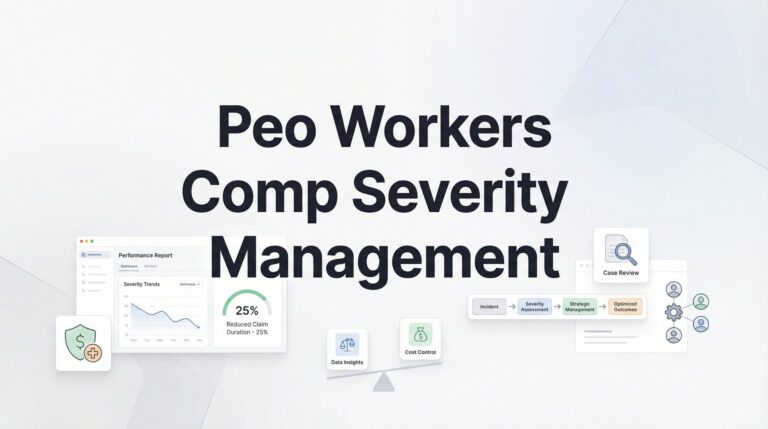
Most businesses focus on workers’ comp claim frequency, but severity—how much each claim costs—is what actually drives premium increases. A single severe injury can impact your experience modification rate more than multiple minor claims combined. This guide reveals seven PEO workers’ comp severity management strategies that leverage pooled resources, return-to-work programs, and dedicated claims teams to actively reduce claim costs and protect your mod, rather than simply processing pape…
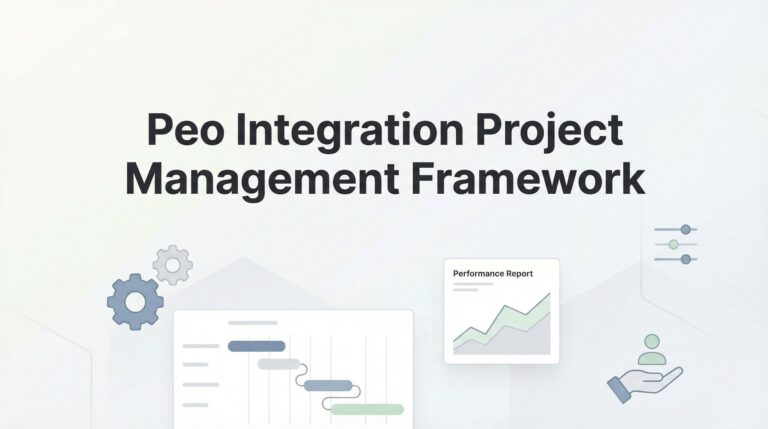
Most PEO integrations fail because no one properly manages them as structured projects. This practical PEO integration project management framework provides specific phases, roles, timelines, and checkpoints to transform what’s typically a chaotic 6-month ordeal into a controlled 6-week implementation—whether you’re managing a 25-person startup or a 200-employee company.
Many business owners assume signing with a PEO eliminates their payroll tax liability, but that’s dangerously incorrect. Understanding PEO tax liability legal implications is critical because even when a PEO handles payroll, business owners can still face IRS collections, penalties, and personal liability if taxes aren’t properly remitted. This guide explains where liability actually sits, what legal protections exist beyond marketing promises, and how to protect yourself from unexpected tax …
Preparing for acquisition due diligence requires organizing your PEO documentation before buyers scrutinize your co-employment relationships, compliance responsibilities, and HR cost structures. This peo acquisition readiness checklist helps business owners proactively document their PEO arrangements, employee liabilities, and contractual obligations to avoid deal delays, purchase price adjustments, and unexpected post-closing liabilities that commonly arise from poorly organized HR records.
Before signing a PEO contract, business owners must carefully examine termination clauses that often include 90-day notice requirements, early termination fees up to $5,000, and post-exit benefit obligations. A thorough peo termination clause legal analysis reveals these provisions aren’t just formalities—they define exit costs, timeline restrictions, and ongoing financial obligations that can trap businesses in underperforming partnerships long after they’ve decided to leave.
When your PEO gets acquired, you face unique governance challenges including potential pricing changes, benefits alterations, and system migrations that happen with limited notice. This guide provides a specific framework for PEO acquisition transition governance, helping business owners protect their operations, maintain negotiating leverage, and decide whether to stay with the acquiring company or switch providers while avoiding payroll disruptions and compliance gaps.