
PEO insurance coverage for legal claims doesn’t automatically protect your business from all employment-related lawsuits, despite what many owners assume when entering co-employment arrangements. While PEOs provide valuable compliance support and access to insurance policies, the co-employment structure creates a split in liability exposure where some claims fall under the PEO’s coverage and others remain your responsibility—a distinction most business owners only discover when facing actual …
Most business owners ignore the PEO workers comp industry benchmarking report they receive, missing opportunities to save thousands annually. This guide shows you how to read and act on benchmarking data to negotiate better rates, identify if you’re overpaying, and understand the specific metrics that actually impact your costs—turning confusing reports into actionable cost-reduction strategies.
Your experience mod drives workers’ comp costs, but most employers don’t realize their PEO provides powerful tools for reduction—master policy positioning, claims management resources, and safety protocols. This PEO experience mod reduction strategy shows you how to systematically leverage your professional employer organization’s infrastructure to lower your experience modification rate over a three-year rolling window, rather than treating your PEO as just a payroll vendor.
When the IRS or DOL initiates an audit, understanding PEO audit defense responsibilities becomes critical—but the co-employment relationship often creates confusion about who handles what. While PEOs manage payroll and compliance, government agencies may pursue the worksite employer who controlled actual operations, meaning you could face audit exposure even with a PEO partner, making it essential to know exactly where their responsibilities end and yours begin before an auditor comes knock…
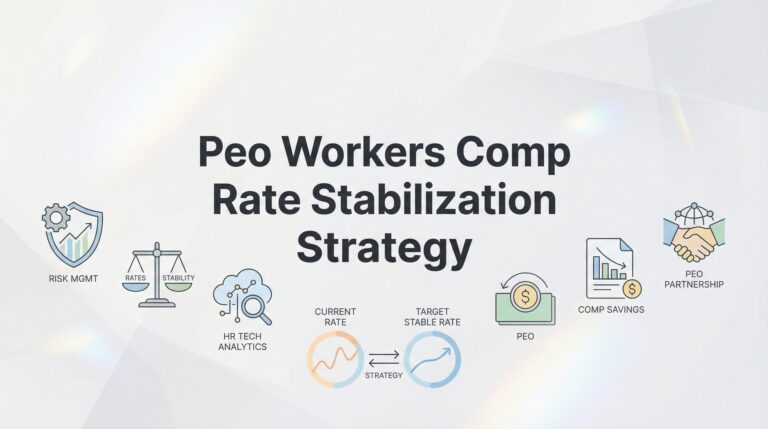
Workers’ comp costs through a PEO aren’t automatically stable—your experience modifier, claims history, and safety practices still directly impact your rates. This guide reveals seven actionable PEO workers’ comp rate stabilization strategies that help businesses avoid unexpected premium spikes, from negotiating EMR protections in your contract to implementing practical safety measures that actually reduce claims and keep costs predictable year over year.
Business owners often assume PEOs handle all state compliance, but the co-employment model creates a split in responsibilities that varies by state and contract terms. Understanding your PEO state law compliance exposure is critical because certain employer duties—like responding to state audits or managing remote workers across state lines—may remain your responsibility even after signing a PEO agreement, creating unexpected liability gaps that require proactive monitoring and clear contract…
When selling or acquiring a business that uses a Professional Employer Organization, your PEO employment contract review during sale becomes critical to avoiding deal delays, valuation reductions, and unexpected post-closing liabilities. This guide covers the transaction-specific contract elements you must examine—including assignment provisions, termination triggers, employee transition procedures, and hidden M&A costs—so both buyers and sellers can navigate due diligence confidently and pro…
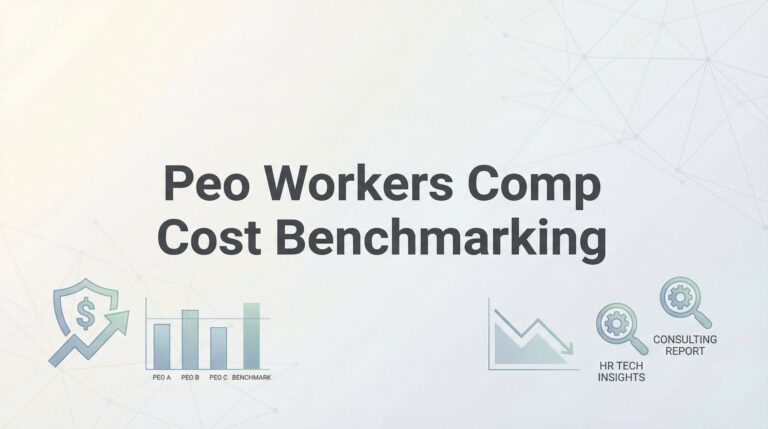
Most business owners receive monthly workers’ comp charges from their PEO without knowing if the rate is fair or inflated. PEO workers’ comp cost benchmarking helps you evaluate whether your pricing aligns with industry standards by examining class code rates, experience modification factors, and state-specific regulations. This guide provides seven practical methods to compare your actual costs against benchmarks, ensuring you’re not overpaying relative to your company’s risk profile and ind…
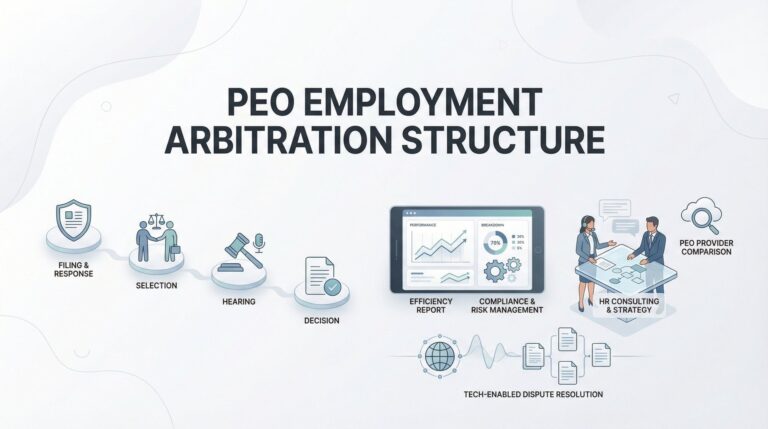
Before signing a PEO contract, understand that the arbitration clause—often buried in dense legal language—determines how disputes over fees, service failures, or compliance issues will be resolved. Unlike standard arbitration, PEO employment arbitration structure involves complex co-employment relationships that affect which forum handles your case, who pays costs, and what procedural rules apply, potentially limiting your ability to seek fair resolution when problems arise.
Landscaping companies face constant litigation risks from worker classification audits, injury claims, and wage disputes—challenges inherent to seasonal staffing and physical work. A PEO for landscaping companies litigation risk mitigation framework addresses these vulnerabilities by providing compliant HR systems, proper worker classification protocols, documented safety training, and accurate payroll processing that help protect your operation from the costly legal exposures that threaten p…
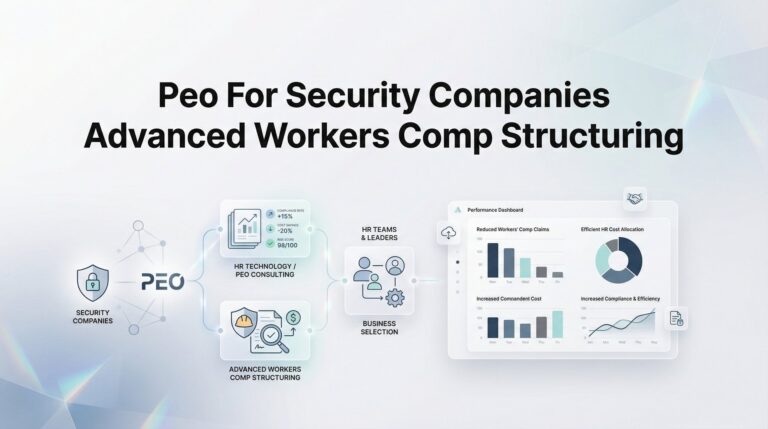
Security companies face workers’ comp premiums consuming 15-25% of payroll due to high-risk classification codes that traditional insurers avoid. This guide provides mechanical steps for PEO for security companies advanced workers comp structuring, including how to separate administrative from field personnel, negotiate experience mod protections, and avoid contract traps that force you to pay for risk you don’t actually carry—critical for armed security, patrol, executive protection, and eve…
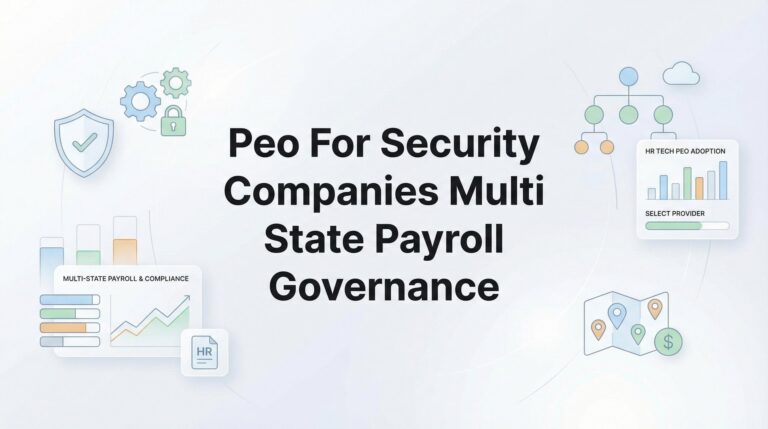
Security companies deploying guards across state lines face a payroll nightmare—different wage laws, tax jurisdictions, and workers’ comp rules in every location. A PEO for security companies handles multi-state payroll governance by managing state-specific withholding, overtime thresholds, and compliance requirements, eliminating penalties while letting you focus on deploying guards wherever clients need coverage instead of tracking jurisdictional tax rules.