

Most PEO comparison guides treat recruiting as an afterthought, but the right PEO shapes your candidate experience at every stage of the hiring funnel. This guide ranks the best PEO providers for recruitment marketing on benefits competitiveness, ATS and onboarding integration depth, and the operational speed active hiring teams actually need.

When a harassment complaint or misconduct accusation surfaces, most PEOs reveal whether they have real HR infrastructure or just a helpline. This guide evaluates top PEO providers for workplace investigations — covering documented guidance, qualified HR professionals, and defensible process frameworks — so businesses can choose a partner that holds up when it counts.
Pricing analysis is the structured practice of comparing prices, contract terms, and total cost against benchmarks to decide whether a quote is…

PEOs take on significant multi-state employment compliance work — payroll, tax registration, and benefits across jurisdictions — but co-employment is a shared responsibility model, not a compliance guarantee. This guide maps exactly what PEOs cover, where their obligations end, and which compliance failures keep generating employer fines even when a PEO is in place.

When PEO providers all claim “comprehensive HR support,” the phrase stops meaning anything useful — until a termination, a benefits renewal, or a wage-and-hour audit reveals the difference. This article gives buyers a practical framework for evaluating what comprehensive HR support actually includes, so the service holds up when it matters most.

Most businesses enter PEO sales calls at a disadvantage — the rep has done this hundreds of times, and you haven’t. This guide gives you the best questions to ask PEO providers across six categories — pricing, exit terms, co-employment liability, benefits, day-to-day service, and data — so you know exactly what to listen for before you sign anything.

National PEO rankings favor size and brand recognition, but the right provider depends on where your employees work and which state-specific compliance rules apply. This state-by-state buyer’s guide organizes the best PEO services by region so geography becomes your first filter, not an afterthought.

Managing a distributed workforce across multiple states creates compliance, payroll, and HR challenges that a single-location team never faces. This article breaks down exactly what PEO providers for remote workforce management are built to handle, where the co-employment model hits its limits, and what questions to ask before engaging one.
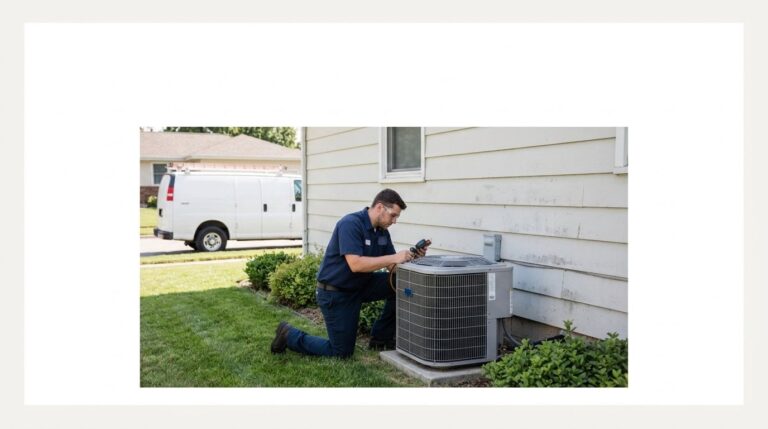
Most PEO providers are not equipped for the workers’ comp class codes, H-2A visa payroll, and seasonal headcount swings that define agricultural employment. This guide evaluates 8 PEO providers that can realistically serve farms, nurseries, ranching operations, and agricultural processors, with direct attention to the compliance and pricing factors that matter most.

Not all PEOs are equipped to manage the patchwork of state-specific overtime laws that go beyond federal FLSA rules — from California’s daily thresholds to Colorado’s periodic wage order updates. This guide ranks eight PEO companies that handle state specific overtime laws on actual compliance infrastructure, starting with the independent advisory service that helps you compare them all before you commit.

Not every PEO handles payroll and tax filings with the same reliability — some shift liability through IRS-certified status and dedicated compliance teams, while others leave clients chasing corrections. This guide identifies eight PEO providers and platforms small businesses trust to run payroll and file taxes accurately, without requiring owners to verify the work themselves.

At 100 employees, choosing the right PEO means navigating meaningfully different fee structures, contract terms, and benefit quality across providers. This guide ranks eight of the best PEOs for 100-employee companies by buyer profile, explaining where each one excels and where it falls short so HR leaders can negotiate from a position of real leverage.