

Florida’s workers’ compensation system, seasonal workforce swings, and SUTA structure make PEO evaluation far more complex than in most states. This guide gives HR leaders, CFOs, and founders seven concrete strategies for evaluating PEOs in Florida — whether they’re buying for the first time, renegotiating a renewal, or switching after a poor fit.

Most PEO explanations stay abstract — this article grounds co-employment in seven real PEO examples drawn from distinct industries and company profiles, showing exactly what changes, what gets solved, and what to watch out for before you sign. PEO Metrics has matched 850+ companies since 2019 and can deliver a free side-by-side provider comparison in 5–10 business days.

Managing compliance across multiple states means a compounding web of registrations, tax accounts, leave laws, and penalty structures that overwhelm even capable HR teams. This article explains why a PEO is a practical solution for multi-state compliance, what specific burdens it absorbs, and where its limits lie.

Not every PEO companies offer the most flexible service packages they claim to — and this buyer’s guide explains why. It cuts through vague sales language to focus on the three contract mechanics that actually determine flexibility: service selectability, pricing structure, and exit terms.

Not all Professional Employer Organizations specialize in immigration compliance equally — most handle I-9 record-keeping reliably but stop well short of visa sponsorship or PERM labor certification. This article maps the full spectrum of PEO immigration services so HR leaders and CFOs know exactly where their PEO’s responsibility ends and their own begins.

Managing HR in construction is costly and complex, with high-mod workers’ comp rates, multi-state licensing, and prevailing wage rules compounding the burden. This guide walks construction owners, CFOs, and HR leads through seven practical strategies for choosing, structuring, and benchmarking a construction PEO to drive real cost relief and compliance confidence.

Worker misclassification risk can trigger simultaneous penalties from the IRS, Department of Labor, and state agencies — and a PEO is one of the most practical tools for reducing that ongoing exposure. This article explains exactly what a PEO’s co-employment model covers, what it doesn’t, and which recommended PEO providers for managing worker misclassification risk have the compliance infrastructure to back it up.
A manager usually notices the problem long before anyone says the word “lazy.” The emails slow down, deadlines slip, the strongest people…
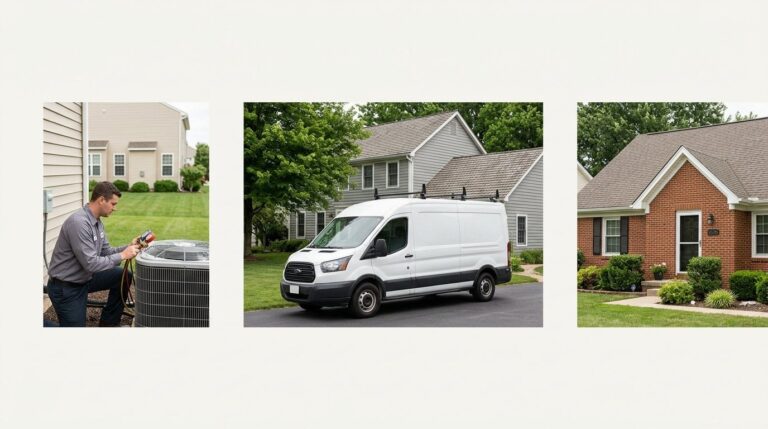
Running HR at an auto dealership means managing flat-rate technicians, commissioned salespeople, and salaried managers — all under one tax ID with different compliance obligations. This article walks through the specific auto dealerships PEO pros and cons that determine whether outsourcing that complexity saves money or creates a contract you’ll regret.
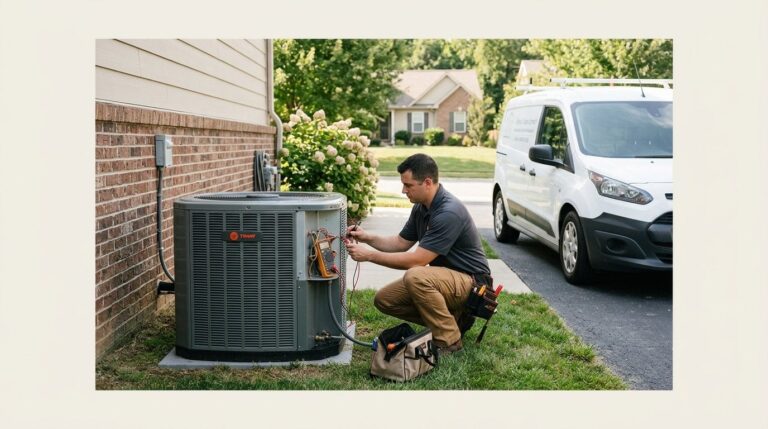
PEO cancellation for auto repair shops is more complex than ending a software subscription — co-employment, workers’ comp master policies, and group health plans all need to be carefully unwound. This article walks shop owners through what their cancellation contract actually says and what it will cost them if they don’t plan ahead.
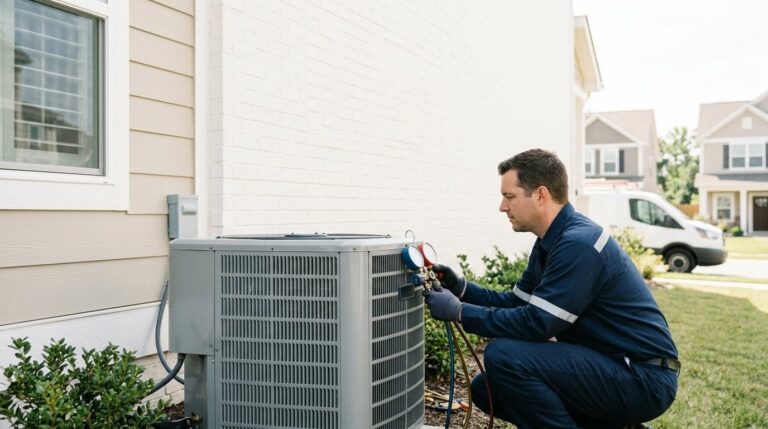
Independent auto repair shops lose skilled technicians to dealerships not over pay, but over benefits — a gap that stems from small-group purchasing disadvantages, not a lack of generosity. This article explains how auto repair employee benefits through a PEO work, what coverage shop owners can realistically offer, and why pooled buying power changes the math for small and mid-sized shops.

Auto repair shops face a genuinely consequential choice between a PEO and a payroll company, and the right answer depends on headcount, workers’ comp history, and how much HR responsibility the owner wants to carry. This guide cuts through vendor pitches to lay out what each option actually delivers for shops with flat-rate techs, risk-weighted class codes, and state wage rules in play.