

Most SLA gaps in PEO contracts don’t announce themselves. They hide in vague language around response times, bury themselves in ambiguous tax filing responsibilities, or sit quietly in termination clauses until the moment you actually need to use them. By then, the damage is already done: a missed payroll deadline, a delayed benefits enrollment, or a transition process that costs far more than expected.
PEO service agreements are dense documents, and the specifics matter. Vague commitments around benefits administration timelines, unclear data portability provisions, and undefined escalation procedures aren’t just annoying — they create real compliance exposure and operational risk.
This list covers tools that help you catch those gaps before they become expensive problems. The focus is on tools built for SLA review, contract analysis, or ongoing PEO performance monitoring — not general HR platforms that happen to have a document storage tab. If you’re newer to how PEO service agreements are structured, the PEO Service Agreement Explained guide is a useful starting point before diving in.
1. PEO Metrics
Best for: Businesses evaluating PEO providers and wanting SLA-level comparison before signing.
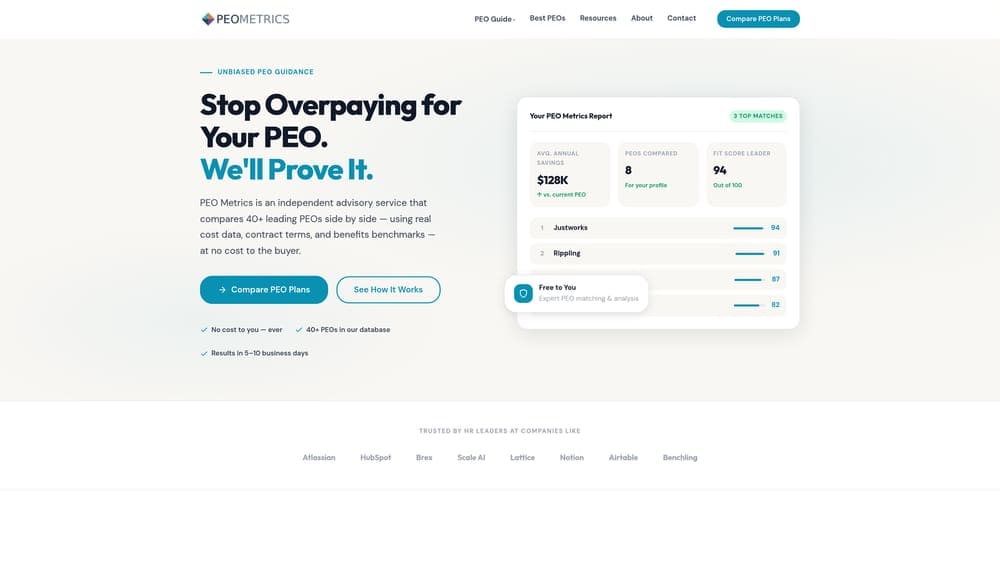
PEO Metrics is a PEO comparison platform that gives businesses side-by-side provider analysis with SLA-specific evaluation criteria built directly into the process.
Where This Tool Shines
Most businesses approach PEO selection by comparing headline pricing and a few feature bullets. PEO Metrics goes deeper, surfacing the service commitment details that actually determine how a PEO relationship performs day-to-day. That includes response time standards, benefits administration timelines, and where a provider’s contractual commitments fall short of what’s typical in the market.
The unbiased positioning is worth noting. You’re not getting a sales pitch from a PEO broker with a commission incentive. You’re getting a structured comparison that shows you what providers are actually committing to — and where the language gets conveniently vague.
Key Features
Side-by-side SLA comparison: Evaluates multiple PEO providers against each other at the service commitment level, not just pricing or feature lists.
Unbiased provider analysis: Data-driven assessment of provider commitments and service terms without the sales incentive that typically skews broker recommendations.
Pricing transparency: Breaks down bundled fee structures to reveal where administrative markups are embedded in PEO agreements.
SLA gap identification: Flags where provider commitments fall below industry norms before you sign, not after a problem surfaces.
Best For
Companies actively evaluating PEO providers, approaching a contract renewal, or suspecting they’re overpaying relative to what they’re actually getting. Particularly useful for HR leaders who want structured data to bring into vendor negotiations rather than relying on a provider’s own sales materials.
Pricing
Contact for pricing. A free initial consultation is available, which makes it a low-friction starting point for businesses early in the evaluation process.
2. Ironclad
Best for: Legal and HR teams that need AI-powered contract review to flag ambiguous or missing SLA language.
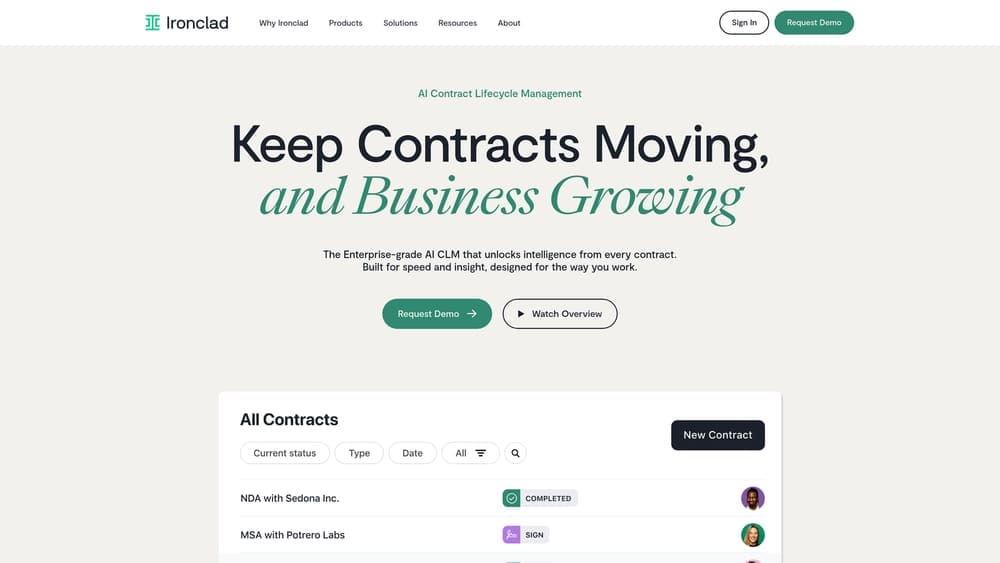
Ironclad is an AI-powered contract lifecycle management platform built to parse complex agreements, surface problematic language, and streamline multi-stakeholder review.
Where This Tool Shines
PEO service agreements are long, and the problematic sections aren’t always obvious. Ironclad’s AI contract review can work through a dense PEO agreement and flag clauses that are vague, missing entirely, or inconsistent with your internal standards. That’s useful when you’re reviewing a new contract, but it’s equally valuable when you’re auditing an existing agreement you inherited.
The multi-stakeholder workflow is a practical strength here. PEO contract review typically involves HR, legal, and finance. Ironclad routes comments, flags, and approvals across teams without the usual chaos of tracked-changes documents flying around via email.
Key Features
AI contract review: Flags vague or missing SLA terms automatically, reducing the manual review burden on legal and HR teams.
Clause comparison: Measures contract language against your internal standards and templates to identify deviations.
Multi-stakeholder workflows: Routes flagged sections to the right reviewers with structured approval processes.
Repository search: Searches across all signed agreements to find SLA inconsistencies or missing provisions at scale.
Best For
Mid-size to enterprise companies with in-house legal counsel or a legal operations function. Organizations that manage multiple vendor contracts alongside their PEO agreements will get the most value from Ironclad’s broader CLM capabilities.
Pricing
Custom enterprise pricing. Contact Ironclad directly for a quote based on contract volume and team size.
3. ContractPodAi
Best for: Enterprise teams that need ongoing SLA obligation tracking across complex vendor relationships.
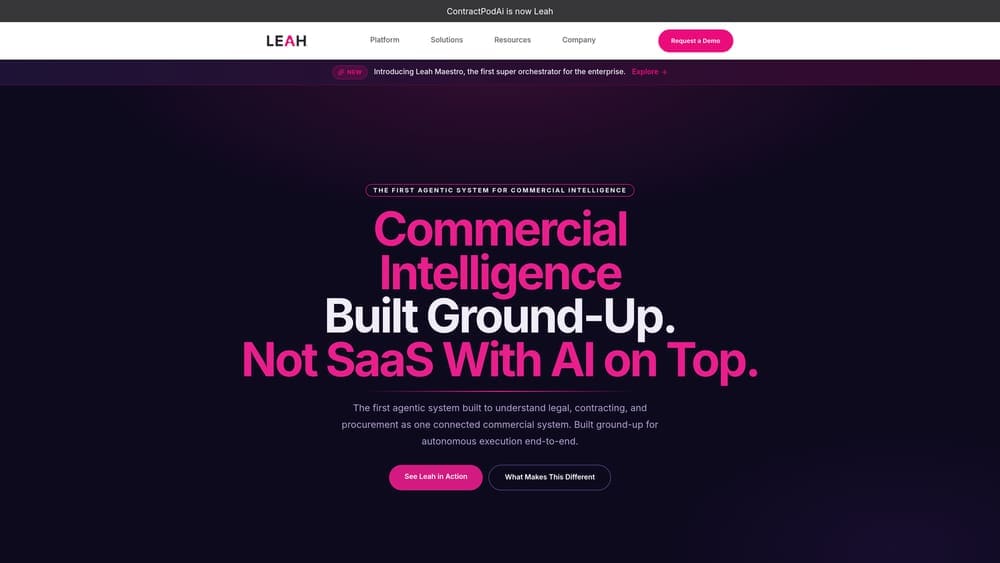
ContractPodAi is an enterprise contract lifecycle management platform with AI-powered clause extraction and a structured obligation management layer.
Where This Tool Shines
Where ContractPodAi stands out is the post-signing layer. Many CLM tools are strong at pre-signature review but weak on what happens after you’ve executed an agreement. ContractPodAi’s obligation management dashboard tracks what your PEO has committed to and gives you visibility into whether those commitments are being met over time.
The Microsoft ecosystem integration is a real practical advantage for enterprise HR teams already operating in that environment. Adoption friction is lower when the tool fits naturally into existing workflows rather than requiring a separate platform login for every review task.
Key Features
AI clause extraction: Automatically identifies SLA obligations within PEO agreements without requiring manual tagging.
Obligation management dashboard: Tracks PEO service commitments over time with visibility into upcoming deadlines and delivery status.
Risk scoring: Assigns risk ratings to specific contract terms, including service level provisions, to prioritize review focus.
Microsoft integration: Connects with Microsoft 365 and Teams for enterprise-friendly adoption.
Best For
Companies with 200 or more employees that have a legal operations team and manage a significant volume of vendor contracts. ContractPodAi is genuinely enterprise-grade — smaller organizations may find the complexity and cost exceed what they need.
Pricing
Enterprise pricing model. Best suited for organizations with the contract volume and internal resources to support a full CLM implementation.
4. Juro
Best for: Collaborative PEO contract review across HR, legal, and finance without heavy IT overhead.
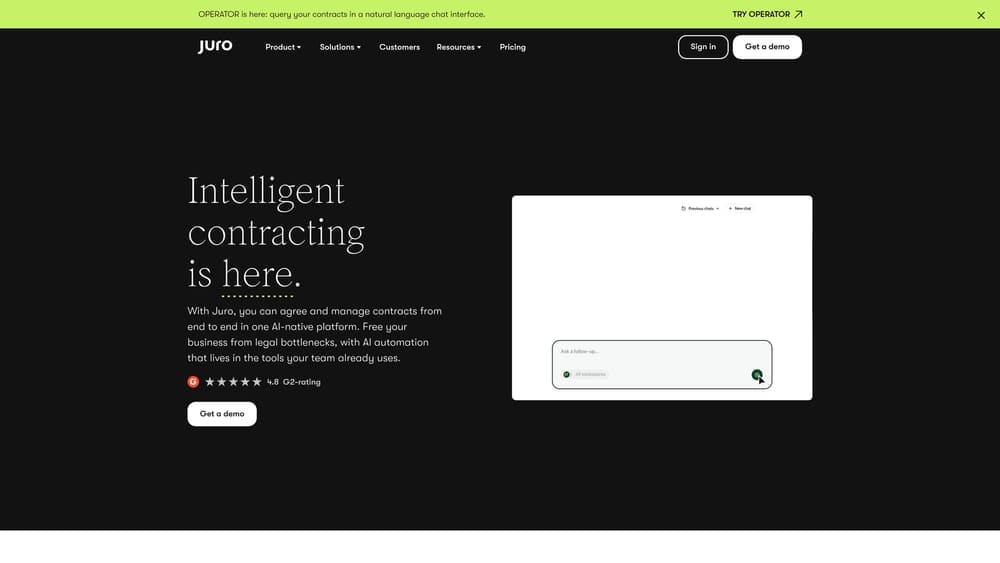
Juro is a browser-based contract platform that brings multiple stakeholders into the same document environment for structured, trackable review.
Where This Tool Shines
The browser-native experience is Juro’s biggest differentiator. There’s no installation, no file format confusion, and no version control headaches. HR and legal teams can comment directly on SLA provisions, tag clauses for follow-up, and build a structured record of review decisions — all in one place.
The template-based workflow is particularly useful for companies that review PEO agreements on a recurring basis, whether at renewal or when evaluating new providers. You can build a repeatable SLA review checklist into the platform so nothing gets missed across different agreements.
Key Features
Collaborative in-browser review: Enables HR, legal, and finance to comment and tag provisions simultaneously without emailing document versions.
Structured data extraction: Pulls key clause data from contracts into structured fields for easier analysis and comparison.
Template-based review workflows: Supports repeatable PEO agreement review processes with built-in checklists.
Contract analytics dashboard: Surfaces key terms and patterns across multiple agreements for cross-contract visibility.
Best For
Mid-market companies where HR leads the PEO relationship but needs legal and finance input without a heavy enterprise CLM implementation. Juro is well-suited to teams that want structure without significant IT involvement.
Pricing
Mid-market pricing tier. Contact Juro for specific plan details based on team size and contract volume.
5. Gatekeeper
Best for: Ongoing PEO performance monitoring against contracted SLA benchmarks after the agreement is signed.
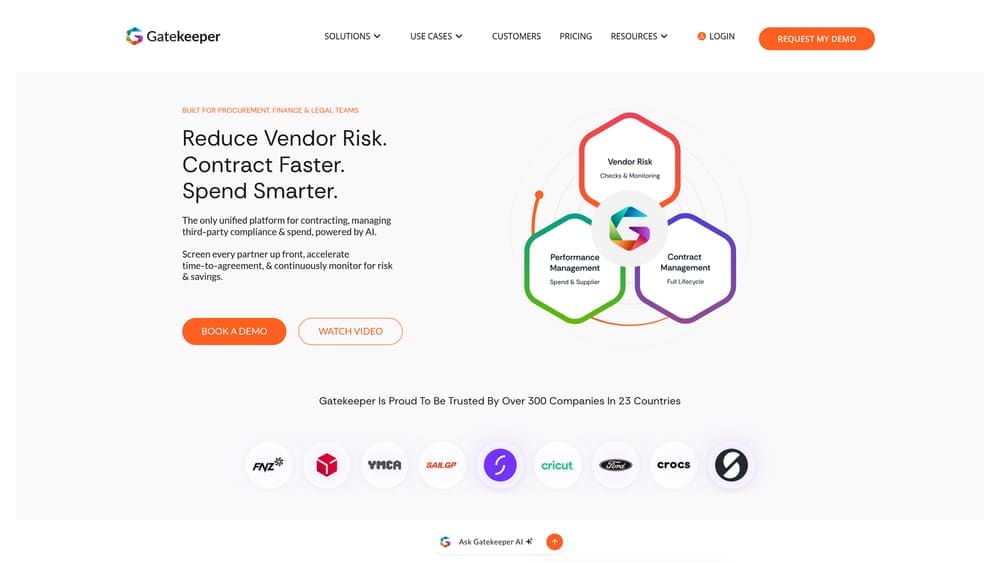
Gatekeeper is a vendor and contract management platform focused specifically on post-signing compliance and relationship management.
Where This Tool Shines
Most contract tools are built for the review and signing process. Gatekeeper is built for what comes after. Once your PEO agreement is in place, Gatekeeper lets you define SLA benchmarks, track performance against them, and get automated alerts when something is trending toward a miss. That’s a fundamentally different use case from pre-signature analysis — and an underserved one.
The vendor scorecard functionality is particularly relevant for PEO relationships. You can document service delivery against the commitments your PEO made, which creates a factual record if you ever need to escalate a service issue or negotiate at renewal.
Key Features
Vendor performance scorecards: Tracks PEO service delivery against specific SLA commitments with documented scoring.
Automated SLA alerts: Notifies stakeholders when SLA deadlines or performance benchmarks are at risk.
Obligation tracking: Monitors contract obligations with renewal and termination date visibility to prevent surprises.
Kanban workflow management: Organizes vendor relationship tasks in a visual workflow format for operational clarity.
Best For
Operations or HR teams that have already signed a PEO agreement and want a structured way to monitor whether the provider is delivering on what was promised. Also useful for companies managing multiple vendor relationships alongside their PEO.
Pricing
Tiered pricing starting at mid-market rates, scaling with contract volume. Contact Gatekeeper for current plan details.
6. Ontra
Best for: Benchmarking PEO SLA terms against market standards with a combination of AI analysis and human legal review.
Ontra is an AI-assisted contract management platform that pairs automated analysis with access to a network of contract attorneys for specialized review.
Where This Tool Shines
The hybrid model is what makes Ontra different. Most CLM tools give you AI-flagged issues and leave you to interpret them. Ontra connects you to legal professionals who can assess whether the flagged language actually creates risk in your specific context — which matters when you’re evaluating PEO SLA terms that may look standard but carry real implications depending on your state, industry, or employee count.
The clause benchmarking capability is genuinely useful for PEO evaluation. Knowing that a particular SLA term is below market standard isn’t always obvious from the contract text alone. Ontra’s benchmarking surfaces that gap in a way that’s actionable for negotiation.
Key Features
AI plus human review: Combines automated contract analysis with access to legal professionals for nuanced interpretation.
Clause benchmarking: Compares SLA terms against market-standard language to identify where a PEO’s commitments fall short.
Automated contract processing: Handles routine agreement processing at scale, reducing manual workload.
Legal network access: Connects users with attorneys who have specific expertise in contract types including vendor service agreements.
Best For
Mid-market and enterprise companies that want more than automated flagging — particularly those without deep in-house legal expertise on PEO agreements who benefit from attorney review at a lower cost than traditional outside counsel.
Pricing
Custom pricing. Primarily serves mid-market and enterprise clients. Contact Ontra for a quote.
7. SpotDraft
Best for: HR teams building repeatable SLA review checklists for PEO agreements without needing a full enterprise CLM.
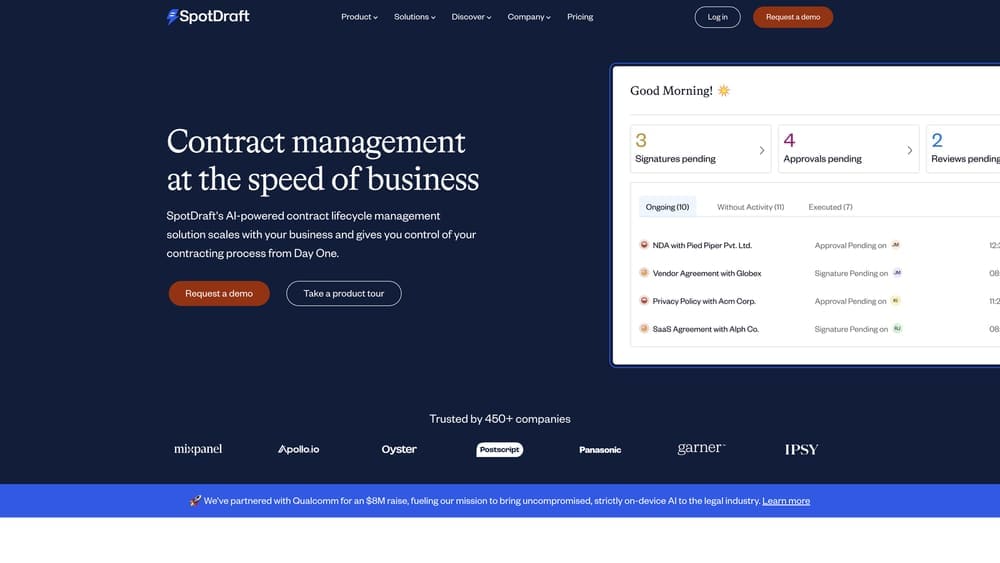
SpotDraft is a contract management platform with strong template, checklist, and approval workflow features designed to make contract review repeatable and structured.
Where This Tool Shines
SpotDraft’s strength is in building process. You can create a PEO-specific SLA review template that defines exactly what clauses you expect to see — response time commitments, tax filing responsibilities, data portability provisions, termination terms — and then run every PEO agreement through that checklist automatically. Deviations get flagged. Nothing gets overlooked because a reviewer was moving fast.
For HR teams that don’t have dedicated legal operations support, SpotDraft offers a practical level of structure without requiring a complex enterprise implementation. The approval routing means flagged SLA gaps automatically reach the right person rather than sitting in a reviewer’s inbox.
Key Features
Custom SLA review templates: Build PEO-specific checklists that flag missing or non-standard clauses automatically.
AI clause detection: Identifies deviations from your defined standards across submitted agreements.
Approval workflows: Routes flagged SLA gaps to the appropriate stakeholder for resolution without manual follow-up.
Contract repository: Stores executed agreements with search and filtering by clause type for ongoing reference.
Best For
Small to mid-size companies where HR owns the PEO relationship and wants a structured review process without the cost and complexity of enterprise CLM platforms. SpotDraft hits a practical middle ground between spreadsheet-based tracking and full-scale contract intelligence tools.
Pricing
Starts around $99/month for small teams, scaling with usage and contract volume. One of the more accessible entry points on this list.
8. LinkSquares
Best for: Post-signature extraction and tracking of SLA obligations from executed PEO agreements.
LinkSquares is a post-signature contract analytics platform that extracts obligations, deadlines, and key terms from signed agreements to give you a clear picture of what was actually promised.
Where This Tool Shines
Here’s a common situation: a company has been with a PEO for two or three years, and nobody has reviewed the original service agreement since signing day. LinkSquares is built for exactly that scenario. It pulls the SLA terms, obligations, and deadlines out of your executed contract and surfaces them in a searchable, reportable format so you can see what your PEO committed to and track whether those commitments are actually being met.
The pre-signature review module adds flexibility. LinkSquares isn’t just a post-signing tool — it also supports analysis of new PEO agreements before execution, which means you can use it across the full contract lifecycle rather than just for auditing existing agreements.
Key Features
AI obligation extraction: Pulls SLA terms, deadlines, and commitments from signed PEO contracts automatically.
Custom reporting: Generates reports on specific clause types across your PEO agreements for structured oversight.
Deadline and renewal tracking: Monitors key dates with automated notifications to prevent missed windows or auto-renewals.
Pre-signature review module: Supports analysis of new PEO contracts before signing, extending coverage across the full agreement lifecycle.
Best For
Enterprise companies with an existing portfolio of executed PEO or vendor agreements that need structured oversight of what was promised and when. Also valuable for legal operations teams managing contract compliance across multiple service providers.
Pricing
Enterprise pricing based on contract volume. Contact LinkSquares for a quote.
Which Tool Fits Your Situation
The right tool depends on where you are in the PEO relationship cycle.
If you’re shopping for a PEO or approaching a renewal, start with PEO Metrics. It’s the only tool on this list built specifically for PEO evaluation, and it surfaces SLA-level detail before you commit to anything. That’s where the leverage is highest.
If you have a PEO agreement in hand and need to review the language before signing, Ironclad or SpotDraft are strong options depending on your team’s size and resources. Ironclad is better suited to organizations with legal operations support; SpotDraft is more accessible for HR-led teams that need structure without enterprise complexity.
If your agreement is already signed and you want ongoing performance monitoring, Gatekeeper and LinkSquares serve that function well. Gatekeeper is built around vendor scorecards and real-time SLA tracking. LinkSquares is better for extracting and reporting on what your contract actually says across a larger portfolio of agreements.
SLA gaps in PEO contracts aren’t a hypothetical risk. They’re a when-not-if problem. Payroll misses, benefits enrollment delays, and restrictive termination clauses tend to surface at the worst possible moments — during a growth period, a reduction in force, or a provider transition. The tools above shift that discovery from reactive to proactive.
Before you sign that PEO renewal, make sure you’re not leaving money on the table. Many businesses unknowingly overpay because of bundled fees, hidden administrative markups, and contracts designed to limit flexibility. Don’t auto-renew. Make an informed, confident decision.
