Side-by-side comparisons between PEOs and in-house HR, ASOs, payroll providers, and staffing agencies.
This article walks dealership owners through seven strategies for weighing a PEO against in-house HR, starting with mapping compliance exposure across technicians, sales staff, and F&I rather than comparing costs alone. Each strategy narrows the decision so leaders can negotiate from data specific to their own dealership’s pay structures and risk profile.
This article breaks down the Auto Repair PEO vs In-House HR decision into 8 practical strategies, helping shop owners weigh payroll, workers’ comp classification, and benefits costs against building an internal HR function.

Choosing between an Insurance PEO vs In-House HR model involves more than cost, especially for businesses with complex risk profiles. This article walks through six key factors, including workers’ compensation, benefits access, and compliance exposure, to help HR leaders make a well-informed decision.

Property management companies face a uniquely complex HR landscape — spanning multi-state compliance, elevated workers’ compensation risk, and a fluctuating workforce — that makes the choice between a PEO and in-house HR consequential. This article breaks down seven key factors to help HR leaders and owner-operators determine which model fits their portfolio’s size, structure, and growth trajectory.
Engineering firms face a meaningful choice between a Professional Employer Organization and a standalone payroll provider — one that affects multi-state compliance, workers’ comp classification, and benefits competitiveness. This comparison evaluates eight platforms across those dimensions to help engineering firm leaders choose the right fit before signing a contract.
Growing businesses often face a critical fork in the road: bring in a Professional Employer Organization or build an in-house HR function. This article provides a structured, seven-factor framework for evaluating Machine Peo Vs In-House Hr so you can make a well-informed decision based on your company’s actual needs rather than peer anecdotes or oversimplified cost comparisons.
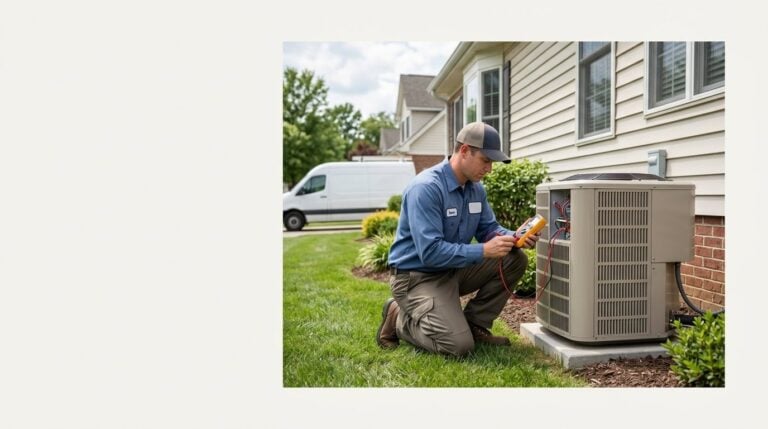
Industrial maintenance companies face distinct HR challenges — heavy-equipment risk, OSHA compliance, and fierce competition for skilled technicians — that make the choice between a PEO and in-house HR consequential. This article examines seven practical factors, from headcount and claims history to geographic footprint, to help owners decide which model manages risk and cost most effectively.
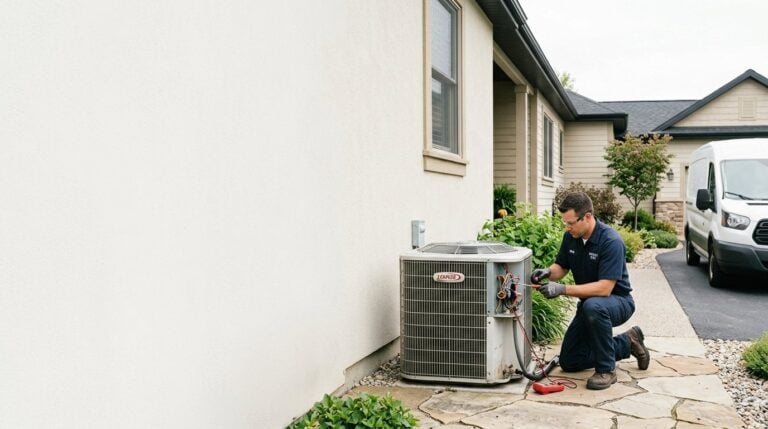
Industrial maintenance companies face elevated workers comp class codes, multi-site OSHA obligations, and HR complexity that generic payroll software rarely handles well. This guide compares eight PEO and payroll company options side by side so maintenance operators can make an informed decision based on their headcount, state footprint, and compliance needs.

Oilfield services companies face unique workforce challenges — high-risk workers’ comp classifications, multi-state crews, and layered regulatory exposure — that make the choice between a PEO and a standalone payroll company consequential. This guide breaks down what each model actually covers and helps operators identify the right fit for their headcount, risk profile, and budget.
Oilfield services companies face a genuinely consequential choice between a PEO and in-house HR, given high workers’ comp exposure, remote multi-state worksites, and strict OSHA and DOT compliance demands. This guide reviews eight tools, from comparison platforms and cost calculators to compliance trackers and workforce analytics, that help operators and HR leaders make a structured, data-driven Oilfield Services PEO vs In-House HR decision.
