Coverage of tax responsibility, workers’ comp, liability exposure, and regulatory obligations under co-employment.
PEO layered compliance monitoring involves multiple levels of oversight across federal, state, and local regulations—but most business owners don’t understand which layers their PEO actually covers. This breakdown explains how multi-level compliance monitoring works in co-employment arrangements and why understanding the liability split is critical for businesses operating across multiple jurisdictions.
PEO operational boundary mapping is the process of clearly documenting which HR, payroll, compliance, and risk management responsibilities belong to your PEO versus your internal team before signing a contract. This guide walks business owners through how to identify dangerous assumption gaps, define shared gray zones, and create explicit agreements that prevent costly compliance failures down the line.
A PEO compliance audit in a hybrid structure exposes a critical gap: split responsibilities between your company and a PEO often mean split documentation, leaving both parties assuming the other owns compliance tasks. This guide breaks down how to map ownership clearly, identify where audit-ready records fall through the cracks, and ensure regulators find proof that every compliance obligation was handled — before an audit notice forces the question.
A PEO HR integration risk analysis helps businesses systematically identify where their existing HR systems, payroll data, and workflows will conflict with a PEO’s platform before signing a contract. Running this analysis upfront prevents costly surprises from broken integrations, compliance gaps, and reporting blind spots that typically emerge months after go-live.
A PEO workers comp exposure analysis reveals where your financial risk actually sits within a PEO arrangement — because handing off administration isn’t the same as eliminating liability. Understanding this distinction helps business owners identify whether claims, rate increases, or pool deterioration could still impact their bottom line, and what the fine print of their PEO agreement really means for long-term cost control.
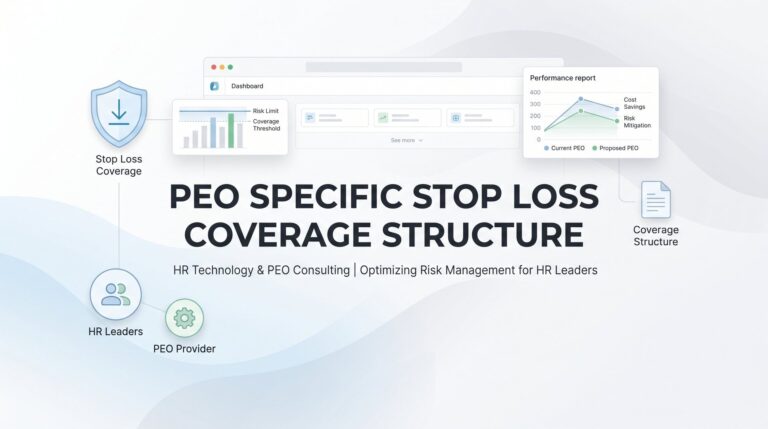
Understanding the PEO specific stop loss coverage structure is critical for businesses evaluating PEO proposals, yet most clients never see the actual policy terms or know how attachment points directly influence their annual renewal rates. This breakdown explains exactly how per-individual stop loss thresholds work within PEO health plan arrangements, what financial risks they genuinely protect against, and where significant coverage gaps leave employers exposed.
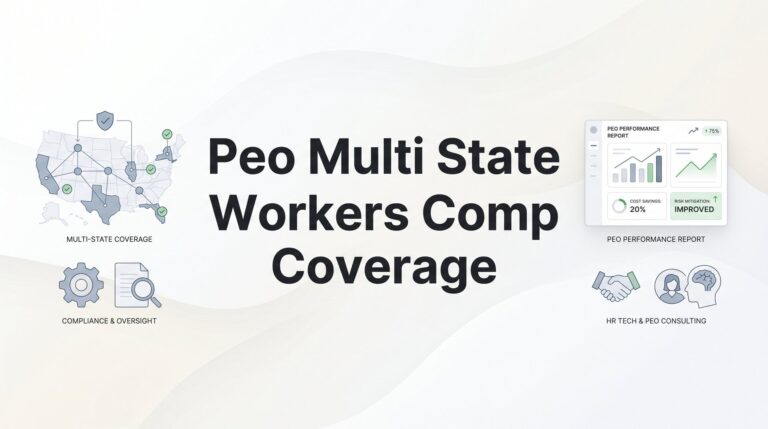
PEO multi-state workers’ comp coverage consolidates the complex state-by-state patchwork of policies, audits, and compliance requirements under one umbrella, eliminating the need to manage separate carrier relationships for each state where you have employees. This guide breaks down how the coverage actually works, where the real advantages lie, and the hidden gaps employers need to address before signing on with a PEO.
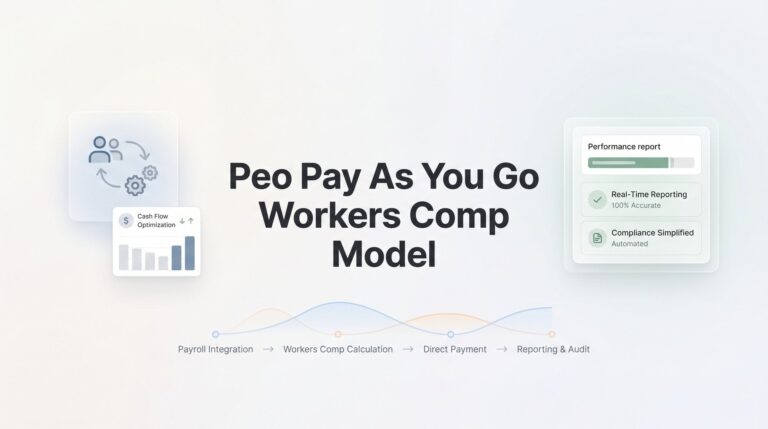
The PEO pay as you go workers comp model eliminates the guesswork of annual premium estimates by tying your payments directly to actual payroll each cycle. This article explains how the billing mechanism works, its real advantages over traditional coverage, and the experience mod rate implications most PEO sales conversations overlook.
Small businesses in high-risk industries often pay steep standalone workers’ comp premiums, but a PEO’s master workers’ comp policy works differently by pooling employees across multiple companies to access better rates and underwriting terms. This guide explains the actual mechanics of how PEO master workers’ comp policy works, who benefits most from the structure, and how to evaluate whether it genuinely reduces your costs or simply repackages them.

Understanding PEO impact on experience modification factor is critical for business owners who want to know whether their PEO arrangement is genuinely reducing workers’ comp costs or simply restructuring how premiums are calculated. This breakdown explains how mod rates work inside PEO relationships, what happens to your claims history, and how to evaluate whether your current arrangement is actually working in your financial favor.
