Coverage of tax responsibility, workers’ comp, liability exposure, and regulatory obligations under co-employment.
Gig economy platforms converting workers to W-2 status face complex workers’ comp challenges that standard PEO arrangements aren’t built to handle. This guide covers advanced workers’ comp structuring through a PEO for gig economy platforms, addressing fluctuating headcounts, multi-state classification issues, and how to build a PEO arrangement that actually fits a dynamic, role-shifting workforce to control costs and minimize risk exposure.
The PEO compliance penalty avoidance model offers businesses a structured framework for reducing exposure to IRS payroll tax penalties, ACA filing violations, and wage-and-hour audit risks through co-employment — but understanding exactly which obligations legally transfer to the PEO versus which remain your responsibility is critical to making the arrangement work effectively.
A PEO payroll oversight framework gives business owners the structured checkpoints and reconciliation routines needed to verify accuracy and maintain accountability even after handing off payroll execution to a PEO. Because the IRS holds employers responsible for withholding errors and misclassifications regardless of who processes payroll, this framework helps catch mistakes early, protect against compliance liability, and give your finance team the visibility they need.
A PEO HR reporting governance model defines who owns workforce data and who bears accountability when numbers from your PEO portal and internal systems don’t align—a common but preventable problem in co-employment arrangements. This guide breaks down how to establish clear data ownership, reconciliation protocols, and reporting responsibilities so businesses can confidently manage headcount, compliance, and board-level reporting without costly discrepancies.

Using a PEO compliance gap cost estimator helps business owners calculate the real financial exposure from penalties, legal risk, and operational drag before evaluating PEO pricing. This practical guide walks you through estimating your current compliance costs across key categories so you can make a grounded, data-backed decision about whether partnering with a PEO actually delivers a positive return.

Projecting PEO employment litigation costs requires understanding how a co-employment arrangement actually shifts your legal exposure across wrongful termination, wage disputes, and discrimination claims—not just what the contract promises. This guide provides a practical framework for building working cost estimates you can use to compare PEO proposals, set legal reserves, and identify where your real financial risk lives before a demand letter forces the calculation.
A PEO hybrid workforce governance model defines clear ownership boundaries when your team spans co-employed staff, contractors, and in-house executives—because your PEO’s service agreement only covers part of the picture. This guide walks through how to map compliance responsibilities, close governance gaps, and reduce legal exposure across every worker classification in your organization.
A PEO HR risk oversight committee is an internal governance structure that ensures compliance risks don’t fall through the cracks after outsourcing HR to a professional employer organization. This article explains how to build and run one effectively, covering committee composition, core responsibilities, and why active oversight remains essential even when a PEO manages your payroll and benefits.
Understanding the PEO layered HR control environment is critical for businesses that assume signing a PEO agreement transfers all HR responsibility—it doesn’t. This breakdown clarifies exactly which HR functions the PEO owns, which remain with the employer, and how to manage the often-overlooked shared responsibility zones that leave compliance gaps when left undefined.
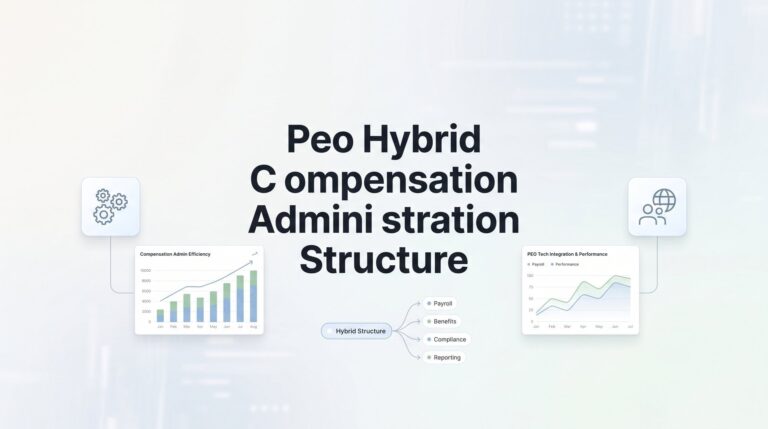
A PEO hybrid compensation administration structure emerges automatically when companies use a PEO for payroll while retaining control over variable pay like commissions, bonuses, and equity — creating an operational split that can generate costly surprises if not managed carefully. This guide breaks down exactly where the ownership boundary falls, how data handoffs work between systems, and how to structure the arrangement to avoid the hidden inefficiencies most companies discover only after …
