Coverage of tax responsibility, workers’ comp, liability exposure, and regulatory obligations under co-employment.
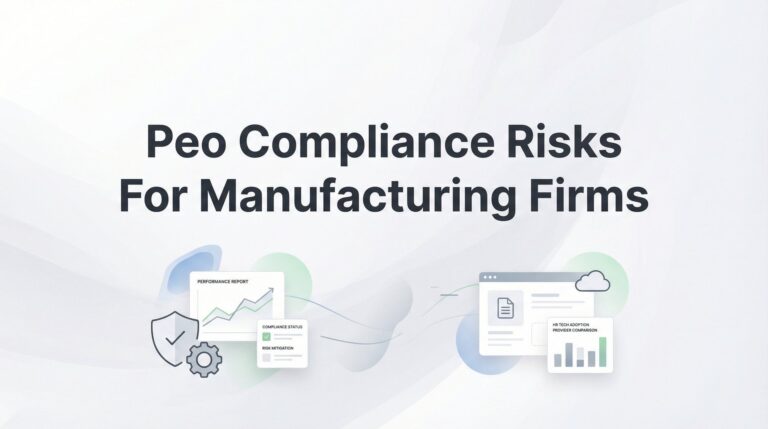
Manufacturing firms face unique PEO compliance risks that differ significantly from other industries, particularly around OSHA recordkeeping, workers’ compensation classifications, and state-specific safety regulations. While PEOs can help manage compliance, understanding where their responsibility ends and yours begins is critical—standard PEO service models weren’t designed for high-risk manufacturing environments, and gaps often only surface during audits or workplace incidents.
Automotive businesses with employees across multiple states face complex payroll compliance challenges, from California’s commission rules to varying flat-rate mechanic wage laws and state-specific break requirements. A PEO for automotive multi-state payroll governance handles the intricate compliance layer beneath payroll processing, ensuring proper documentation, minimum wage guarantees, and defensible records across different state regulations—protecting dealerships, service networks, and …
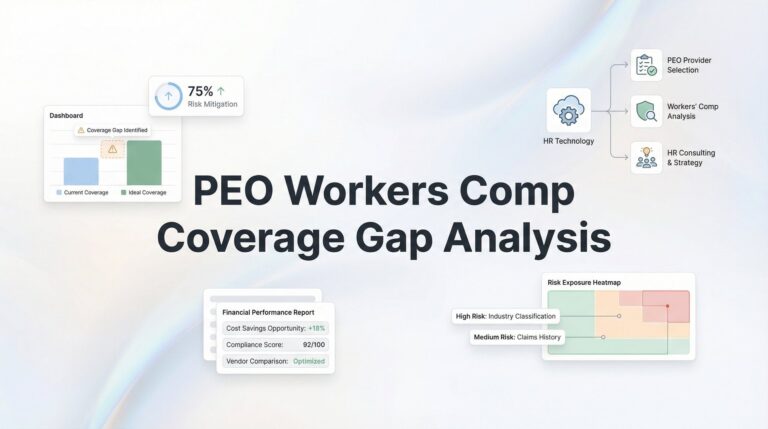
Before signing with a PEO, conduct a workers’ comp coverage gap analysis to ensure their master policy actually covers your specific business operations. Most business owners overlook critical gaps—like employees driving company vehicles or unique warehouse activities—that only surface when a claim is filed, leaving you financially exposed. This methodical process involves comparing your actual operations against the PEO’s policy terms, asking targeted questions, and identifying common covera…
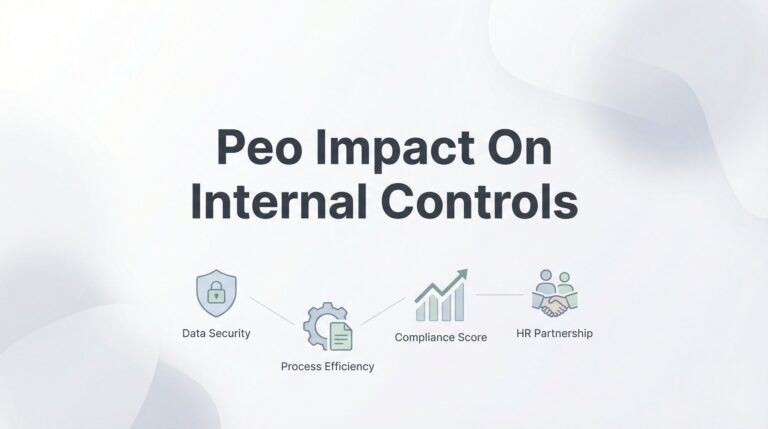
When you enter a PEO agreement, you fundamentally restructure control over financial and HR operations, creating shifts that directly affect audit outcomes, compliance risk, and oversight responsibilities. This guide explains exactly which controls transfer to the PEO, where your accountability remains, and how to build protective safeguards when a third party manages your most sensitive payroll and workforce processes—helping you avoid blind spots that emerge in co-employment arrangements.
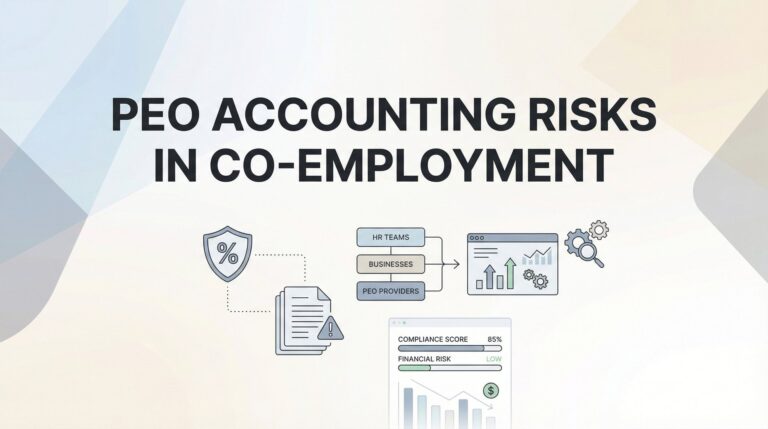
Business owners who partner with PEOs for payroll and benefits often face unexpected PEO accounting risks in co-employment arrangements, including confusion over how to properly categorize hundreds of thousands in quarterly fees and unexplained balance sheet liabilities. While co-employment delivers real benefits like enterprise-level coverage and compliance support, the split employer responsibilities create accounting ambiguities that surface during audits and tax filings—problems that rare…
Automotive dealerships and service centers face unique litigation risks from commission disputes, workplace injuries, and high turnover that generic HR solutions don’t address. A PEO for automotive litigation risk mitigation framework provides specialized compliance support, documentation systems, and expert guidance tailored to the specific employment challenges of service bays and sales floors, helping businesses prevent routine HR situations from escalating into costly legal battles.
Energy companies face unique litigation risks from workplace injuries, multi-state wage compliance issues, and contractor misclassification that generic HR policies can’t address. A specialized PEO for energy litigation risk mitigation framework provides practical protection by implementing industry-specific safety protocols, ensuring proper worker classification, managing workers’ compensation across jurisdictions, and maintaining compliant HR policies designed specifically for high-hazard e…
Nonprofits partnering with PEOs face unique compliance challenges beyond typical HR risks, including potential conflicts with tax-exempt status, grant funding requirements, and mission-critical regulatory obligations. This guide examines seven critical PEO compliance risks for nonprofit organizations and provides strategies to mitigate them, helping nonprofits evaluate whether a PEO understands the nuanced regulatory landscape that can impact both operations and charitable mission.
Oil and gas companies face intense litigation exposure from OSHA violations, environmental claims, and wrongful termination suits in hazardous work environments. A PEO for oil and gas litigation risk mitigation framework helps operators evaluate whether co-employment structures can meaningfully reduce specific legal risks beyond simply redistributing paperwork responsibilities when incidents occur at drilling sites, refineries, and remote field operations.
Energy companies with diverse workforces—from rig workers to office staff—face complex workers’ comp challenges across multiple states and risk classifications. This guide explains advanced PEO for energy workers’ comp structuring strategies to avoid overpaying premiums, prevent coverage gaps, and ensure proper classification for field and office employees operating in different jurisdictions.
