Breakdowns of PEO pricing models, fee structures, hidden costs, and long-term financial impact. Includes comparisons between percentage-of-payroll and per-employee pricing models.
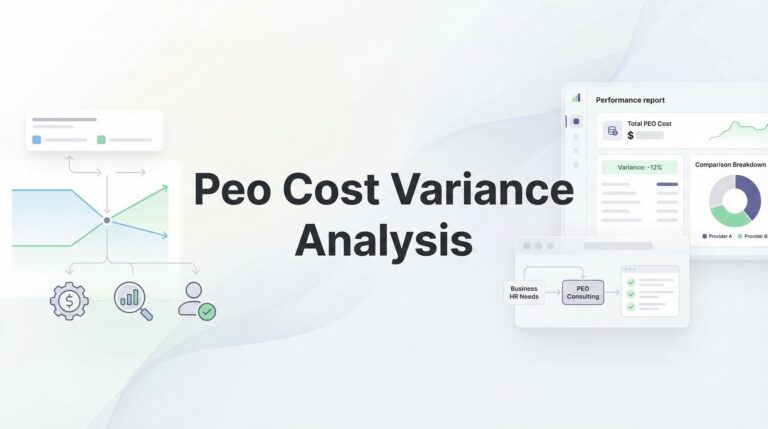
A PEO cost variance analysis helps you understand the gap between your budgeted, quoted, and actual PEO costs by systematically comparing invoices against initial projections. This step-by-step guide shows you how to collect the right data, categorize expenses, identify meaningful variances, and determine whether cost differences stem from workforce changes, unexpected fees, or pricing model misalignment—giving you clarity on whether your PEO delivers the value you were promised.
Understanding PEO cost capitalization rules helps business owners properly categorize fees on financial statements, affecting profitability reporting and tax timing. While most PEO costs are straightforward operating expenses, complications arise with setup fees, prepaid arrangements, and bundled technology components that may require capitalization rather than immediate expensing.
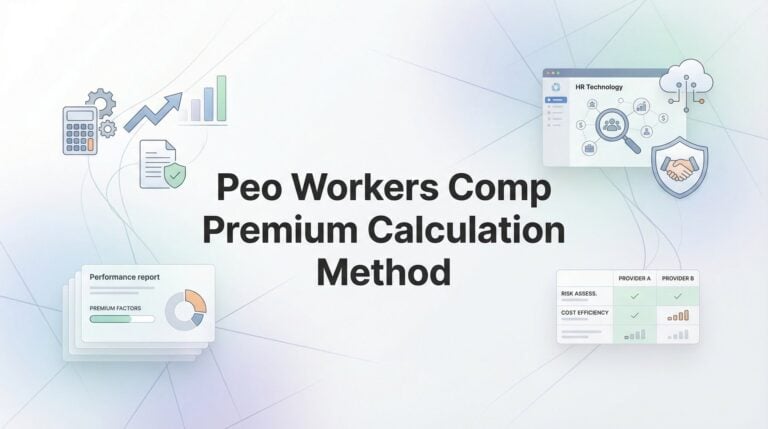
Understanding the PEO workers comp premium calculation method is essential before signing a contract, as most business owners accept quoted rates without knowing how they’re derived. This guide breaks down the layered pricing structure—including industry classification codes, experience modification factors, payroll calculation nuances, and often-hidden administrative fees—so you can evaluate proposals with clarity and compare costs accurately across different PEO providers.
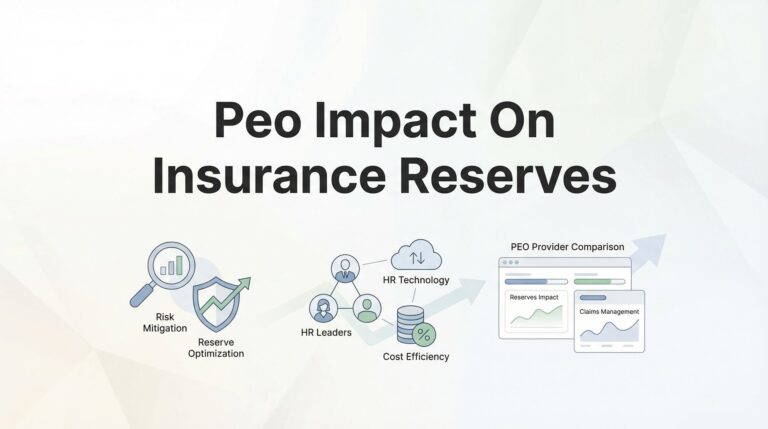
Most business owners don’t realize that a significant portion of their PEO payments fund pooled insurance reserves for workers’ comp and health coverage. Understanding PEO impact on insurance reserves is critical because these reserve mechanics directly affect your current costs, renewal surprises, and potential financial adjustments if you leave the arrangement. The transparency of a PEO’s reserve practices can mean thousands of dollars in unexpected costs.

When evaluating a PEO, most business owners overlook how claims reserves impact their bottom line. The PEO impact on claims reserves varies significantly across providers—some reserve aggressively and tie up your capital, while others use pooled models where your clean safety record subsidizes riskier clients. Understanding these reserve practices before signing is critical, especially since reserved funds don’t always transfer smoothly when you exit the relationship.
PEO budgeting considerations extend beyond the quoted administrative fee to include fluctuating pass-through costs, benefits renewals, and workers’ comp audits that often catch business owners off guard. This guide identifies seven specific budgeting factors that help businesses accurately plan for their PEO partnership costs and avoid unexpected financial surprises throughout the year.
A PEO expense transparency analysis breaks down your bundled PEO invoice into actual component parts—separating administrative fees from insurance premiums, workers’ comp, and payroll taxes—so you can identify hidden markups and evaluate whether you’re getting fair value. Instead of accepting vague line items like “Administrative Services” at face value, this practice gives you the real numbers needed to make informed decisions about your HR outsourcing costs.
Most business owners don’t truly understand what they’re paying their PEO because bundled fees, per-employee charges, and percentage-of-payroll models create opaque invoicing. This guide covers seven PEO cost reporting best practices that help you break down those totals, track value as your company grows, and ensure you’re not overpaying for payroll processing, workers’ comp, and compliance services hidden in a single monthly figure.
When you switch to a PEO, your bundled invoice combines wages, benefits, workers’ comp, and administrative fees into one payment—making your P&L statement harder to read and compare. This guide shows you exactly how to break down PEO invoices and properly map each component to the correct expense category, giving you clear visibility into actual labor costs and ensuring accurate financial reporting for lenders and investors.
Switching to a PEO changes how costs appear on your P&L, which directly affects profitability ratios like gross margin, operating margin, and net profit margin. This guide explains the actual mechanics of PEO impact on profitability ratios—where fees land, how benefits costs shift, and whether promised savings translate to measurable margin improvement that lenders and investors will recognize.
