Deep dives into payroll, benefits administration, HR support, onboarding, and operational shifts inside a PEO arrangement.

Most businesses lack a systematic way to measure whether their PEO is delivering value, leading to frustration over poor response times, enrollment issues, and account manager turnover. A peo hr vendor performance evaluation model transforms vague concerns into trackable metrics, giving you data-driven leverage for contract negotiations and helping you decide whether to stay or switch providers using specialized tools and scorecards.
You don’t have to choose between your PEO’s efficiency and your trusted tax advisor’s expertise—but successful integration requires intentional setup, not assumptions. This practical guide shows you how to create clear systems for PEO with external tax advisor integration, covering initial conversations, data-sharing workflows, and ongoing coordination that prevents year-end scrambles and ensures both your payroll provider and CPA work together seamlessly without duplicate work or information…
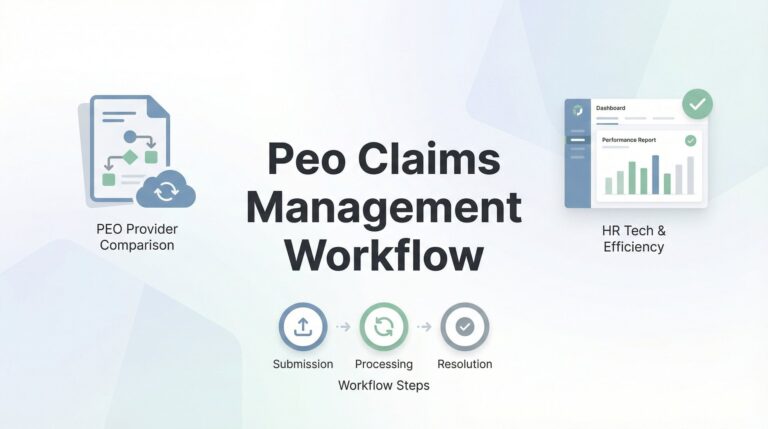
A PEO claims management workflow prevents confusion in co-employment relationships by establishing clear ownership and communication protocols for workers’ compensation, benefits disputes, and unemployment claims. This guide helps businesses partnering with PEOs create structured processes that eliminate response delays, reduce costs, and stop claims from falling through the cracks between your HR team and the PEO’s claims department.
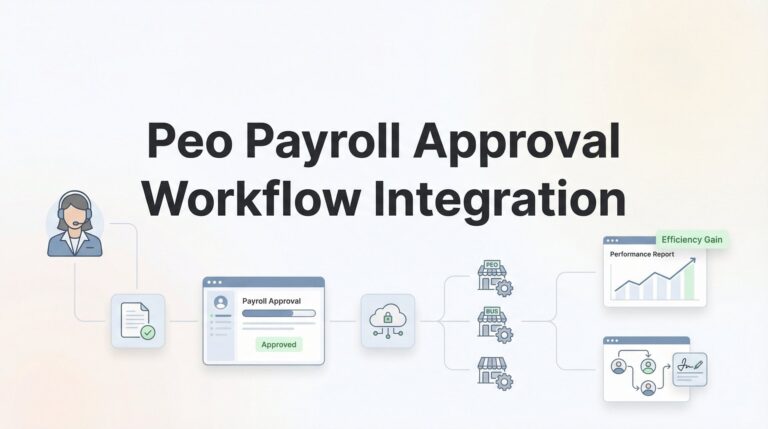
This step-by-step guide shows you how to integrate your company’s internal payroll approval process with your PEO’s system without creating bottlenecks or compliance issues. You’ll learn the practical decisions, technical configurations, and common mistakes to avoid when setting up a PEO payroll approval workflow integration that prevents delayed paychecks and keeps your operations running smoothly.
Unclear service boundaries in PEO relationships lead to costly gaps in responsibility, especially during critical situations like harassment complaints or terminations. This PEO service boundary definition guide helps business owners map out exactly who handles what in the co-employment model, preventing the finger-pointing and compliance issues that arise when both parties assume the other is managing essential HR functions.
Managing a PEO with an external payroll auditor requires careful coordination since your payroll data exists in multiple systems under a co-employment model. This guide provides seven practical strategies to eliminate friction between your PEO and auditor, covering data access protocols, timing coordination, and relationship structuring that prevents extra work for your team while maintaining strong financial controls during audits, investor due diligence, or business scaling.
Most PEO integrations fail because no one properly manages them as structured projects. This practical PEO integration project management framework provides specific phases, roles, timelines, and checkpoints to transform what’s typically a chaotic 6-month ordeal into a controlled 6-week implementation—whether you’re managing a 25-person startup or a 200-employee company.
Partnering with a PEO creates a shared responsibility for workplace policies, but without a clear PEO internal policy approval workflow, businesses face delays, compliance gaps, and frustrated employees as decisions bounce between teams. This guide shows you how to categorize policies by ownership type, establish approval chains, set realistic timelines, and create documentation that ensures accountability in your co-employment arrangement.
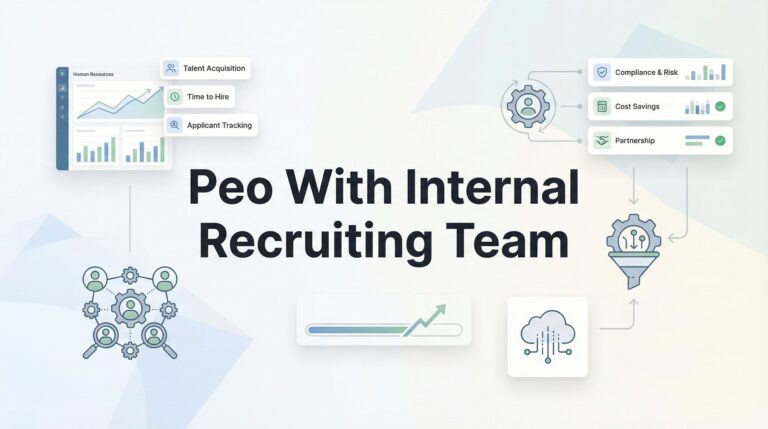
A PEO with an internal recruiting team can work seamlessly when you understand their distinct roles: your recruiters focus on finding and hiring talent while the PEO handles benefits administration, compliance, and HR paperwork. The key is establishing clear boundaries upfront so both functions complement rather than compete with each other, allowing your recruiting team to maintain their candidate relationships and cultural expertise while offloading administrative complexity to the PEO.
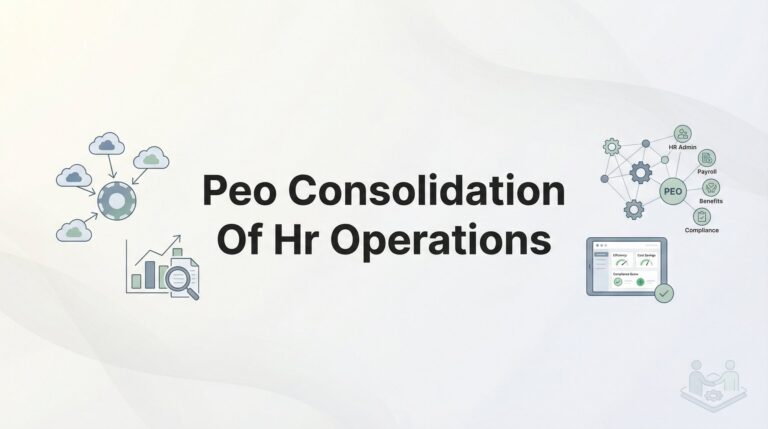
Managing HR across multiple systems creates operational chaos for growing businesses, with payroll, benefits, compliance, and employee records scattered across different platforms and vendors. This practical guide explains how PEO consolidation of HR operations can streamline these fragmented processes into a single, unified system, covering the strategic planning and honest assessment required to successfully transition from managing multiple HR relationships to working with one comprehensiv…
