Deep dives into payroll, benefits administration, HR support, onboarding, and operational shifts inside a PEO arrangement.
Integrating a PEO with your internal payroll controls requires establishing clear boundaries and documented workflows to prevent costly gaps like duplicate entries, missed overpayments, and tax filing errors. This practical guide shows you how to map responsibilities, build reconciliation processes, and create a shared system that maintains control while leveraging PEO services—helping you avoid the common pitfalls that most businesses only discover after expensive mistakes occur.
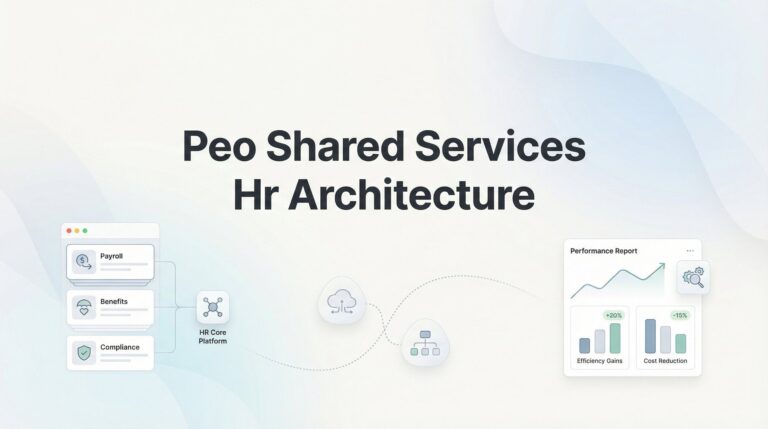
PEO shared services HR architecture means the HR team supporting your business simultaneously serves dozens or hundreds of other companies, creating a tradeoff between cost-effective access to expertise and dedicated attention. Understanding how this structure handles competing priorities and ticket queues helps you determine whether a shared services model fits your company’s operational needs, especially when urgent payroll or compliance issues arise.
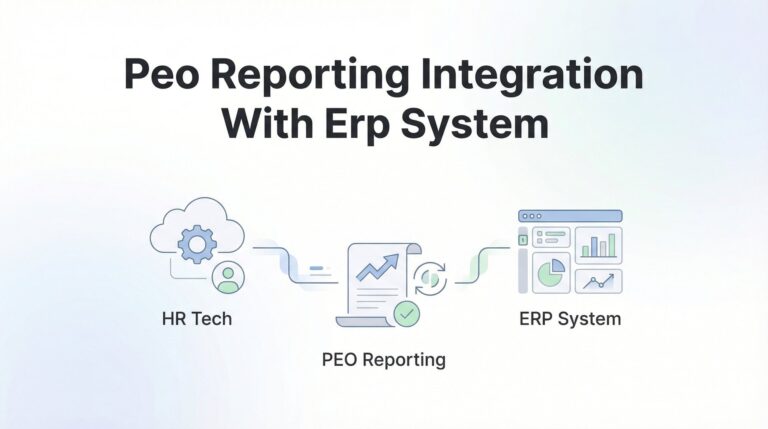
Learn how to connect your PEO’s payroll data directly to your ERP system (NetSuite, SAP, QuickBooks Enterprise, etc.) to eliminate manual reconciliation work. This practical guide covers technical integration options, implementation decisions, and common pitfalls to avoid when setting up PEO reporting integration with ERP systems—helping you automate data flow, reduce errors, and get accurate labor costs into financial reports without spreadsheet workarounds.
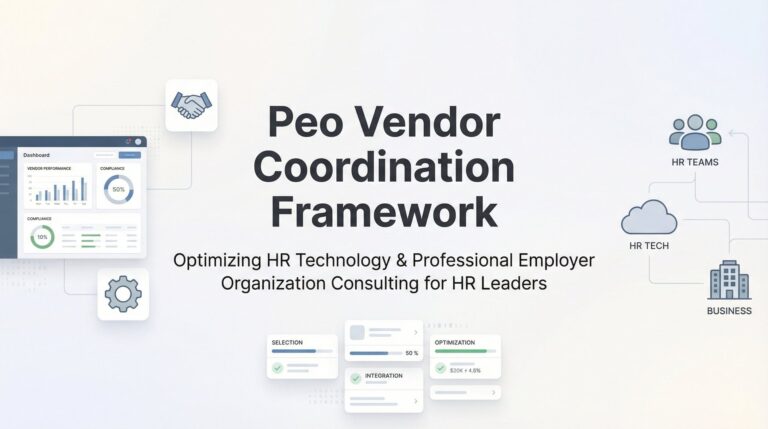
Managing a PEO alongside multiple HR vendors—separate 401(k) administrators, workers’ comp brokers, and legacy HRIS platforms—creates coordination challenges most businesses face but few discuss openly. A structured PEO vendor coordination framework helps you maintain data accuracy, prevent payroll-benefits mismatches, and ensure seamless communication between systems without consolidating everything under one provider or spending your days as a human API connecting disconnected platforms.
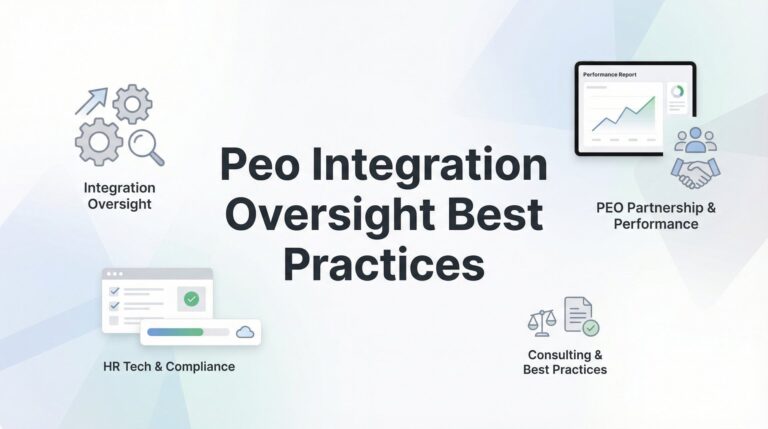
Most businesses treat their PEO relationship as set-it-and-forget-it after onboarding, but without ongoing PEO integration oversight best practices, small issues escalate into costly payroll errors, compliance gaps, and fee overruns. This guide provides practical monitoring habits and checkpoints to maintain visibility, control costs, and ensure your PEO partnership delivers value long after go-live.
Many businesses using a PEO discover too late that HR support doesn’t include attorney-client privilege when facing EEOC charges or litigation risk. Structuring a PEO plus external employment counsel arrangement requires clear division of responsibilities: PEOs handle day-to-day HR operations and compliance, while employment attorneys provide privileged legal advice and litigation defense. This hybrid model protects businesses by combining operational efficiency with legal protection where it…
Pharmaceutical costs are rising faster than general medical inflation, hitting small to mid-sized businesses especially hard. A PEO for pharmaceutical benefits cost containment strategy works by pooling employees across multiple companies to access enterprise-level pharmacy benefit managers, negotiate better formularies, and implement specialty drug programs that individual businesses can’t afford alone. However, not all PEOs prioritize pharmacy benefits equally—choosing one that treats pharm…
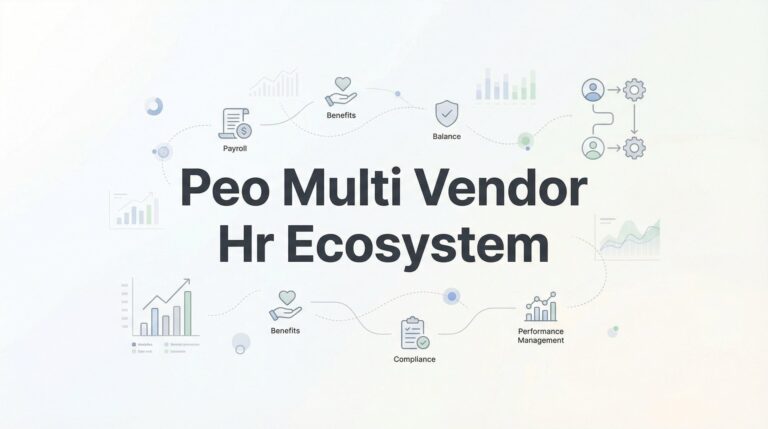
Many growing businesses discover their PEO handles benefits and compliance well, but falls short in specialized areas like recruiting or time tracking. A PEO multi-vendor HR ecosystem solves this by keeping your PEO as the compliance and benefits foundation while integrating best-in-class specialized tools for recruiting, performance management, and other specific operational needs. This approach lets you leverage your PEO’s strengths without being limited by its weaknesses.
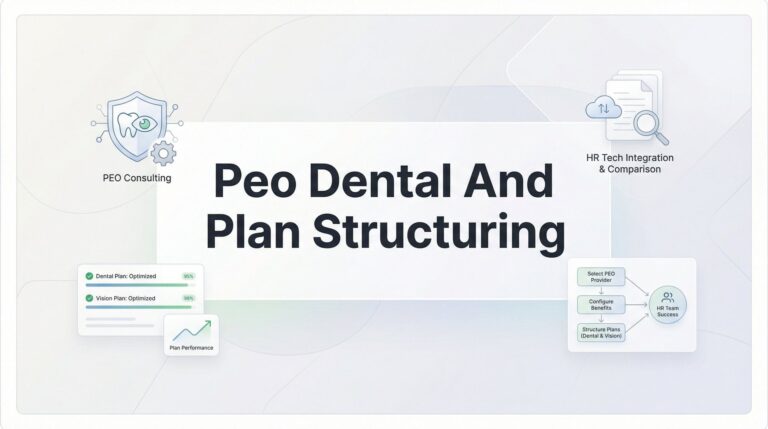
Business owners have more flexibility with PEO dental and vision plan structuring than they realize. Unlike medical insurance, dental and vision benefits through PEOs offer significant room for negotiation and customization because carriers compete aggressively and pooling advantages work differently. This guide presents seven practical strategies to reduce costs and improve employee satisfaction by making smarter structuring decisions with your PEO’s dental and vision offerings.
Mergers create immediate payroll challenges when combining two companies with different PEO providers, pay schedules, and benefit structures. This step-by-step guide provides practical strategies for PEO payroll alignment post merger, covering how to audit existing systems, consolidate providers, maintain compliance across states, and prevent payroll gaps during the critical 30-90 day integration window without disrupting employee paychecks or exceeding budget constraints.
