How PEOs work across industries like construction, healthcare, startups, and multi-state employers.
Painting contractors with 50 employees face unique HR challenges including high workers’ comp costs from ladder falls and chemical exposure, seasonal workforce fluctuations, and multi-site crew management. This guide provides seven targeted strategies for selecting a painting contractors PEO for 50 employees that understands industry-specific risks and can effectively manage mod rates, seasonal scaling, and field crew coverage without the overhead of a full internal HR department.
Flooring contractors considering a PEO face unique operational tradeoffs beyond standard HR outsourcing benefits. This guide examines the specific pros and cons of flooring PEO partnerships for installation businesses, from workers comp classification challenges and seasonal staffing fluctuations to the hidden friction points that emerge after contract signing, helping contractors determine whether a PEO truly fits their crew size and regional operation.
Painting contractors with five employees face unique HR challenges including high workers’ comp costs, compliance requirements, and administrative burdens that drain time from core business activities. A Painting Contractors PEO for 5 Employees can provide strategic relief by handling payroll, benefits, and regulatory compliance, but choosing the right partner requires careful evaluation to avoid costly mismatches and maximize operational efficiency.
Painting contractors with 100 employees face unique challenges including seasonal workforce management, high workers’ comp exposure, and multi-state compliance without dedicated HR resources. This guide provides seven strategic approaches to leveraging a Painting Contractors PEO for 100 Employees to reduce insurance costs, streamline job costing, handle subcontractor classifications, and scale operations efficiently across multiple job sites.
Painting contractors considering a PEO face unique challenges due to fluctuating workforces, multi-state operations, and complex workers’ comp classifications that change based on daily tasks. This guide examines the seven critical painting contractors PEO pros and cons that determine whether co-employment creates operational savings or unnecessary friction for businesses with variable labor needs, physical risk exposure, and tight profit margins.
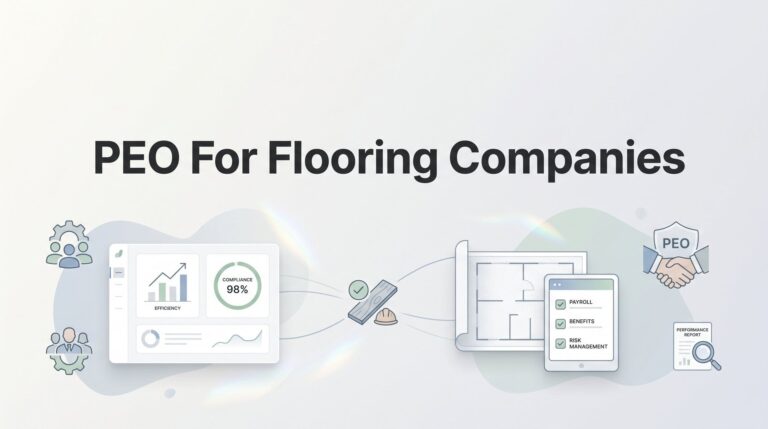
Flooring contractors juggling multi-site crews, seasonal installation peaks, and high workers’ comp exposure can offload these HR burdens to a specialized PEO for flooring companies. This guide evaluates seven providers based on construction-specific needs—including flooring class code workers’ comp rates, job costing integration, and support for mixed W-2 and subcontractor workforces across residential and commercial projects.
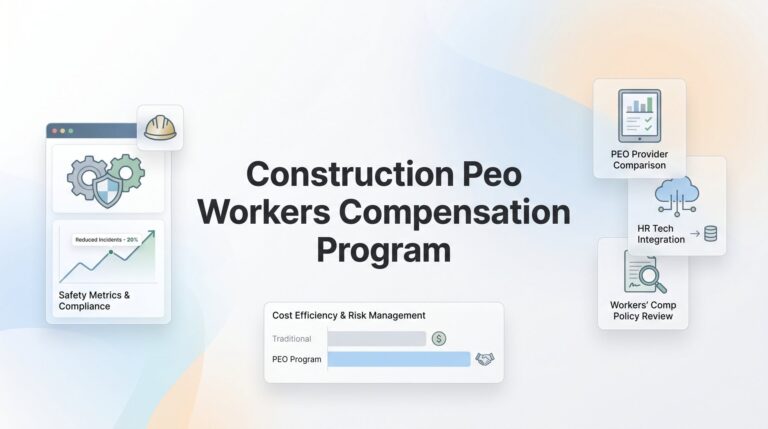
A Construction PEO Workers Compensation Program can offer contractors lower rates and simplified administration when workers comp costs spiral out of control due to claims or high mod rates. However, whether a PEO makes sense depends on your specific situation—including your current experience mod, trade classifications, project pipeline, and growth trajectory—since these programs shift risk management in ways that aren’t always immediately visible.
Construction PEO payroll services specialize in managing the unique complexities of construction payroll, including certified payroll for prevailing wage projects, union trust fund contributions, multi-state tax compliance, and worker classification issues. These services make the most sense when your company manages multiple job sites with varying contract types, crosses state lines, handles both union and non-union labor, or faces recurring compliance challenges that standard payroll provid…
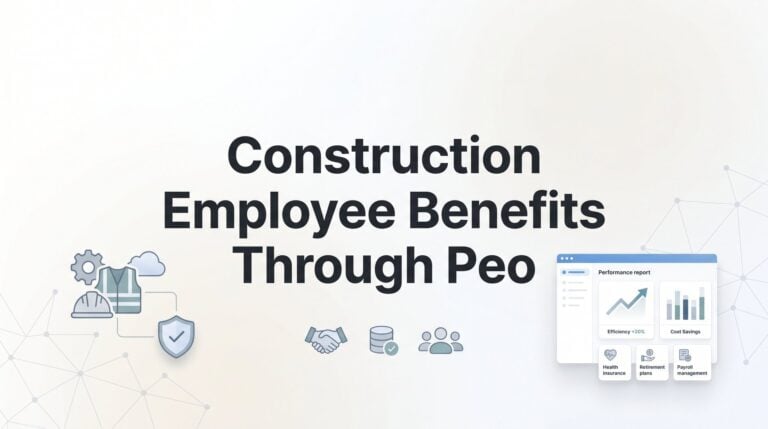
Small construction companies often lose skilled workers to larger competitors who can afford comprehensive benefits packages. A Professional Employer Organization (PEO) levels the playing field by pooling multiple small businesses together, giving construction firms access to enterprise-level health insurance, 401(k) plans, and other construction employee benefits through PEO arrangements that would otherwise be unaffordable, helping you compete for talent without the administrative burden of…
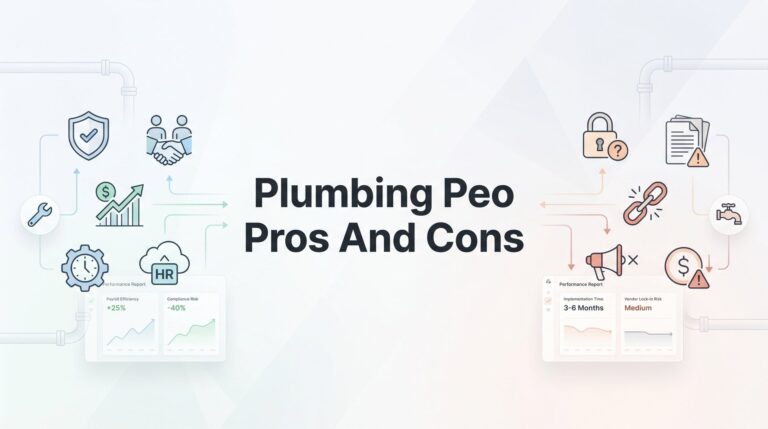
Plumbing contractors face unique HR challenges including high workers’ comp classifications, OSHA compliance, and competitive benefits for skilled tradespeople. This guide breaks down the plumbing PEO pros and cons that actually matter for trade businesses—from workers’ comp rate pooling and real cost analysis to co-employment licensing impacts and when a PEO makes sense versus when to handle HR in-house.
