Coverage of tax responsibility, workers’ comp, liability exposure, and regulatory obligations under co-employment.
When payroll errors occur in a PEO arrangement, PEO payroll error accountability issues often reveal a dangerous gap where both parties point fingers while business owners remain legally exposed. Understanding how co-employment contracts, IRS certification status, and state regulations distribute responsibility before something goes wrong is essential to protecting your business from costly wage violations and compliance penalties.

Many business owners fall into the PEO compliance overreliance risk trap by assuming their PEO handles all employment law obligations, only to discover gaps when penalties arrive. PEOs share compliance responsibilities under a co-employment model but don’t absorb full legal liability, meaning employers who stop monitoring their own obligations can face costly consequences from missed regulatory changes, misclassification issues, or jurisdiction-specific requirements their PEO never flagged.
This article examines seven real-world PEO audit failure case examples — from workers’ comp surprises to payroll misclassification — explaining the root causes behind each costly mistake and providing actionable steps businesses can take to strengthen their PEO oversight before the next audit cycle.
Many business owners mistakenly believe PEO agreements transfer their employment liability, but these co-employment arrangements create complex shared obligations that courts often ignore when naming defendants. This guide examines seven real-world PEO lawsuit exposure scenarios that repeatedly blindside business owners, helping them identify actual risk, negotiate stronger contracts, and avoid costly legal surprises.
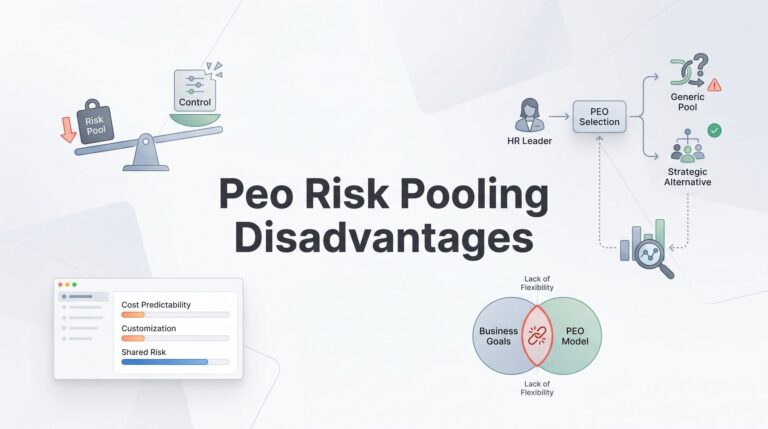
Understanding PEO risk pooling disadvantages is critical before committing to a provider, as the bundled insurance model that promises savings can quietly drain your budget if your workforce is low-risk, healthy, or growing. This breakdown covers seven specific ways risk pooling can work against your business, from subsidizing high-claim companies in your pool to losing pricing leverage you’d have negotiating coverage independently.
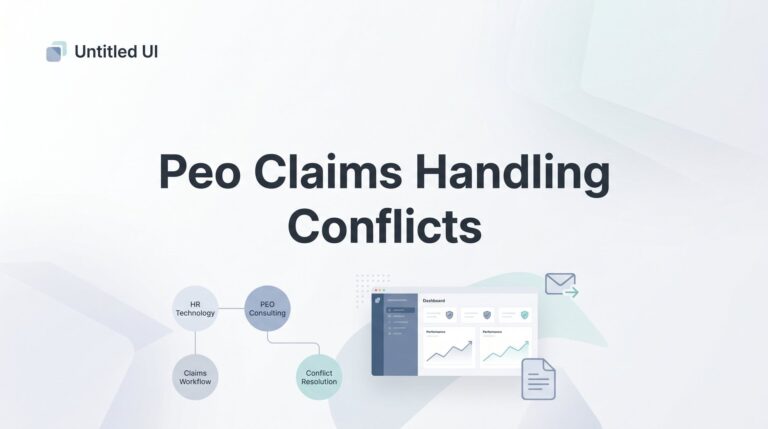
PEO claims handling conflicts arise from a structural gap in co-employment arrangements, where the PEO owns the master workers’ comp policy but the business controls the worksite. This guide explains why claims get denied, delayed, or mismanaged—and what business owners can do to protect themselves before a workplace injury exposes the vulnerabilities in their PEO relationship.
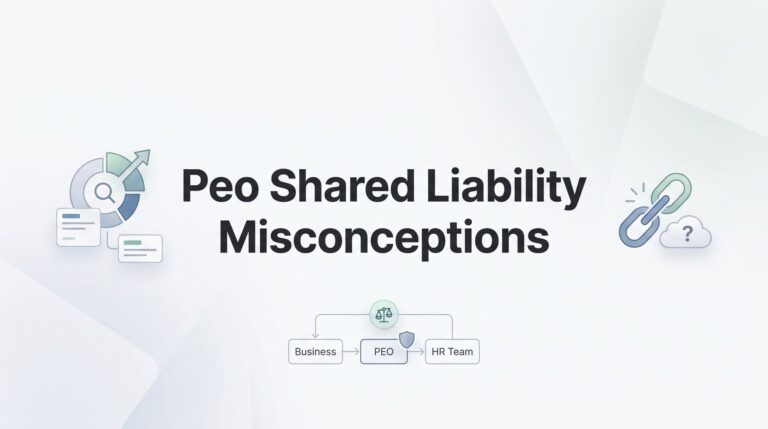
Many business owners enter PEO arrangements believing they’ve transferred most employment liability to their provider, only to discover the reality is far more nuanced. This piece breaks down the most common PEO shared liability misconceptions, clarifying exactly which risks remain with the client company and how the co-employment model actually divides legal and compliance responsibilities between both parties.
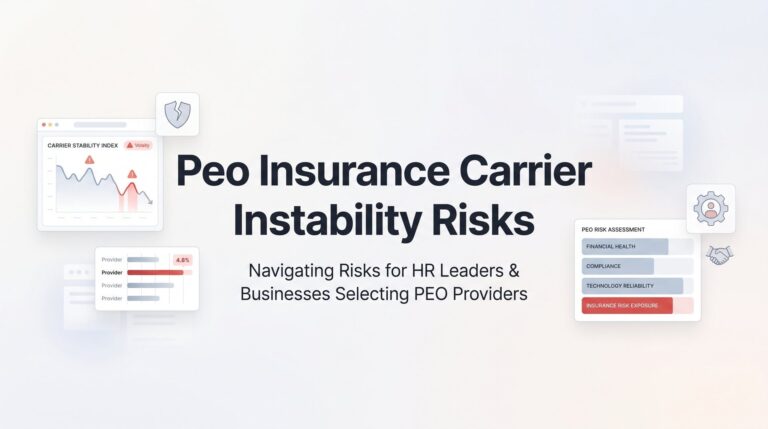
PEO insurance carrier instability risks can blindside business owners when the carrier behind a master policy unexpectedly exits, leaving employees scrambling to replace coverage mid-year with disrupted networks and reset deductibles. Understanding these risks before signing with a PEO helps companies avoid costly, stressful transitions that impact both HR operations and employee benefits continuity.
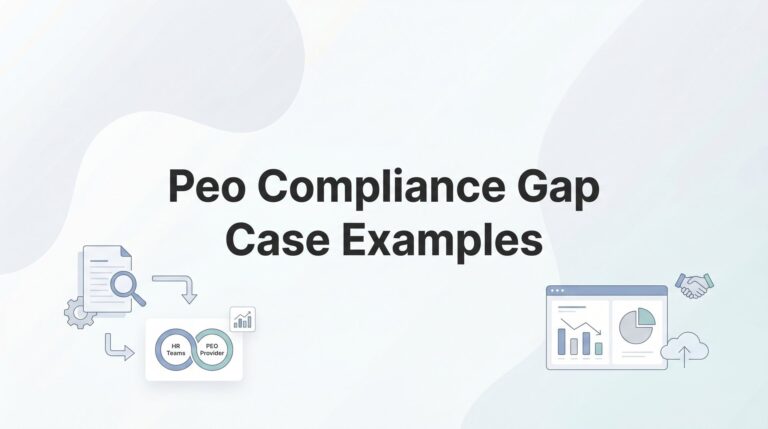
These seven PEO compliance gap case examples reveal how the co-employment model creates blurry responsibility boundaries that leave businesses exposed to fines, lawsuits, and back-pay claims. If you work with a PEO or are evaluating one, understanding where their compliance coverage ends and yours begins is critical to protecting your business from costly, preventable mistakes.
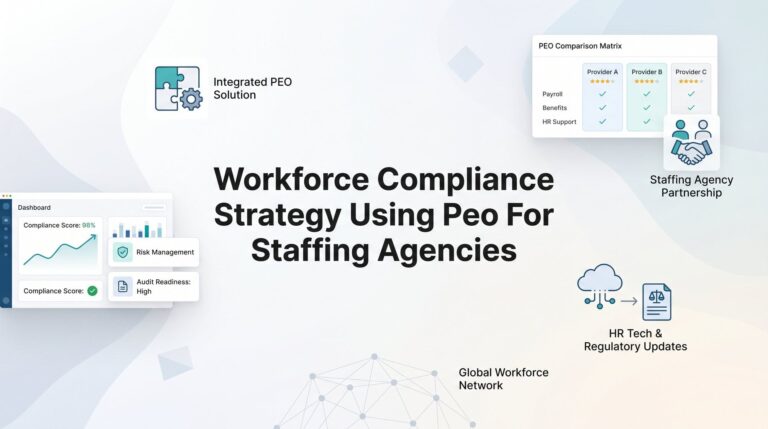
Staffing agencies face unique compliance challenges—multi-state filings, worker misclassification risks, and complex co-employment dynamics—that a PEO can help manage when structured correctly. This guide explains how to build a workforce compliance strategy using a PEO for staffing agencies, covering the three-party employer relationship, liability distribution, and the specific setup steps that determine whether the partnership actually reduces your compliance exposure.
