Coverage of tax responsibility, workers’ comp, liability exposure, and regulatory obligations under co-employment.
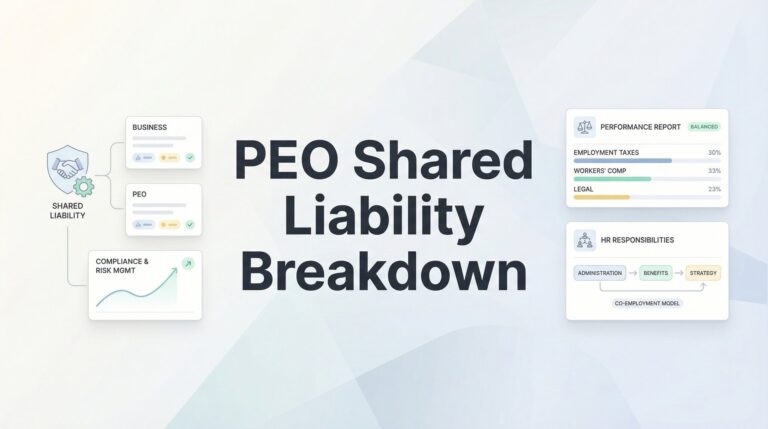
A PEO shared liability breakdown reveals that “shared liability” doesn’t mean equal protection—it’s a specific contractual division where certain employment risks transfer to the PEO while critical exposures like discrimination lawsuits and workplace safety violations remain with you as the employer. Understanding exactly which liabilities the PEO covers versus what you still own is essential to avoid dangerous gaps in protection and over-reliance on PEO agreements.
When business owners partner with PEOs for payroll and HR management, they often assume employment liability transfers completely—but real PEO employment lawsuit case studies reveal a more complex reality. Through examination of actual legal disputes, this analysis shows how co-employment structures can either protect businesses or pull them into unexpected litigation, depending on contract terms, due diligence practices, and a clear understanding of where legal responsibility actually lies w…
Before signing a PEO agreement, most businesses focus solely on per-employee pricing while overlooking critical contract terms that create expensive problems later. This peo contract risk assessment checklist identifies seven essential contract areas—including termination clauses, liability language, and vague service promises—where costly surprises typically hide, helping you spot red flags and negotiation points that protect your business when circumstances change.
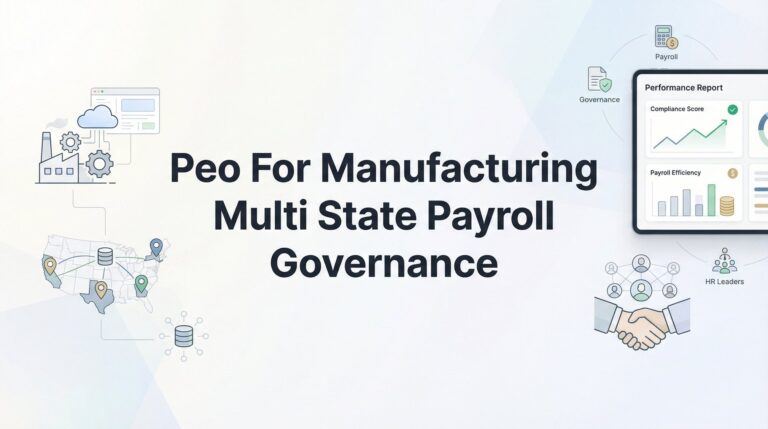
Manufacturing companies operating across multiple states face complex payroll compliance challenges, from varying overtime rules and shift differentials to state-specific labor regulations that can result in costly penalties. A PEO for manufacturing multi-state payroll governance provides specialized expertise to navigate these complexities, ensuring accurate compensation across all locations while managing the unique workforce patterns inherent to manufacturing operations like seasonal surge…
Most businesses sign PEO contracts without understanding the hidden financial traps buried in the fine print—auto-renewal clauses, vague termination penalties, and pass-through costs that escalate unexpectedly. This guide reveals seven critical peo hidden contract risks analysis points that frequently catch companies off guard, costing them thousands in unexpected fees, and shows you exactly which contract sections to scrutinize before committing to a multi-year partnership.
Logistics companies face complex, overlapping compliance challenges across DOT regulations, OSHA requirements, multi-state employment law, and driver classification that can cost hundreds of thousands in violations. A specialized PEO for logistics enterprise compliance risk management addresses industry-specific needs like driver qualification files, hours of service documentation, and fleet workers’ comp—areas where generic HR solutions consistently fall short and leave operators exposed to …
Transportation companies face unique litigation risks from driver accidents, compliance gaps, and HR documentation failures that can escalate routine incidents into serious liability exposure. A PEO for transportation litigation risk mitigation framework transforms reactive HR practices into proactive legal protection by systematically addressing documentation gaps, DOT compliance requirements, and employment practices before they become costly lawsuits.

Signing with a PEO for workers comp doesn’t eliminate your legal exposure as a business owner—it just shifts how it’s managed. While the PEO handles policies and claims, you still control workplace safety, direct employees, and make operational decisions that create liability when injuries occur. Understanding the actual scope of PEO workers comp legal exposure, what your contract truly covers, and where gaps exist is essential for protecting your business from unexpected lawsuits and regulat…
Before signing a PEO contract, understanding the arbitration clause is critical because it determines how disputes over payroll errors, benefits mistakes, or fee disagreements will be resolved. The PEO arbitration clause explained: it controls where you can bring disputes, who decides them, associated costs, and whether you can join with other clients—potentially limiting your legal options if the relationship goes wrong.
PEO contract assignments occur when your provider transfers your agreement to another entity through acquisition or merger, creating significant legal vulnerabilities for your business. This guide identifies seven critical legal risks that emerge during these transitions—from service quality disruptions to liability coverage gaps—and provides actionable strategies to protect your company when your PEO undergoes consolidation or restructuring.
