Coverage of tax responsibility, workers’ comp, liability exposure, and regulatory obligations under co-employment.
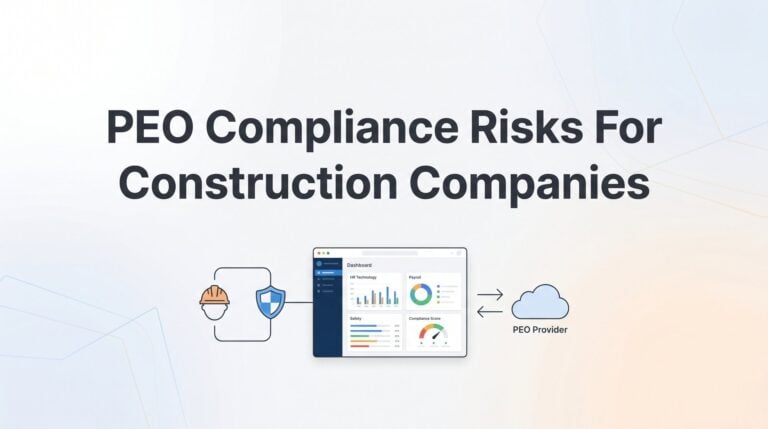
Construction companies navigating PEO co-employment relationships face compounded compliance challenges—from OSHA recordkeeping and prevailing wage obligations to workers’ comp class codes and subcontractor classification across multiple states. This guide reviews eight specialized tools that directly address peo compliance risks for construction companies, helping you reduce exposure and clarify responsibility before something goes wrong.

PEO hr accountability concerns are more complex than most business owners realize when signing co-employment agreements. This guide breaks down where compliance gaps actually occur — from missed deadlines to termination missteps — and what you need to monitor to avoid costly penalties, lawsuits, or employee relations problems that fall on your shoulders regardless of what your PEO contract says.
Small and mid-sized businesses often underestimate how PEO catastrophic claim exposure mitigation works in practice, assuming co-employment automatically shields them from major losses. This guide outlines seven strategies to help business owners understand coverage gaps, review contract language, and proactively structure their PEO relationship to reduce financial vulnerability from severe workplace injuries, liability events, and high-dollar claims before they become existential threats.
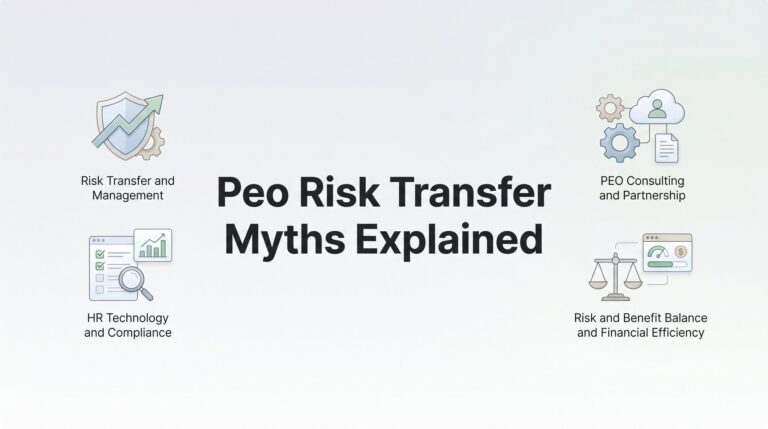
Many business owners assume signing with a PEO transfers most employment liability away from their company, but the reality is far more nuanced. With PEO risk transfer myths explained, this guide clarifies exactly which risks shift to the PEO—like workers’ compensation and payroll compliance—and which responsibilities, including discrimination claims and workplace safety decisions, remain firmly with the business owner.

Multi-state workers’ comp consolidation through a PEO replaces multiple separate state policies, carriers, and renewal dates with a single master policy—reducing administrative complexity and compliance risk. This practical guide explains how the consolidation process actually works, what tradeoffs to evaluate when choosing a PEO, and how experience mod calculations and carrier relationships affect whether consolidation genuinely saves your business money.
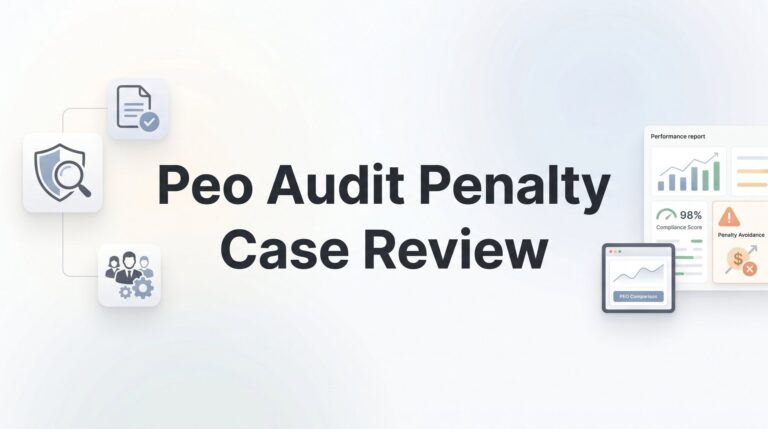
A PEO audit penalty case review can expose business owners to unexpected liability when compliance gaps surface through IRS notices, state labor audits, or workers’ comp reviews. This guide breaks down how the co-employment model creates audit exposure, where responsibility actually falls between you and your PEO, and what steps to take before—or after—a penalty notice arrives.
PEO service oversight failures are more common than most business owners realize, and when payroll errors, compliance gaps, or misclassified employees occur, the financial consequences typically fall on the employer rather than the PEO. This guide breaks down where oversight breakdowns originate, which failures create the greatest legal and financial exposure, and how to implement proactive verification practices to catch problems before they become costly.
Businesses trapped in the assigned risk pool face inflated premiums and limited options, but transitioning from assigned risk pool to PEO master policy compliance framework requires more than simply signing an agreement. This guide covers the critical compliance checkpoints, documentation requirements, and timing considerations that determine whether the transition reduces costs and eliminates coverage gaps or creates new audit complications.
A PEO regulatory scrutiny review should be a core part of your vendor evaluation process, not an afterthought. Because co-employment means your business shares liability for payroll taxes, workers’ comp, and employment filings, choosing a PEO that has passed rigorous regulatory oversight protects you from financial and legal exposure if your provider mismanages those responsibilities.
Business owners operating under a PEO arrangement may be unknowingly exposed to significant financial risk from large workers’ comp claims, as co-employment doesn’t automatically shield your balance sheet. This guide outlines a practical PEO catastrophic claim exposure mitigation risk mitigation strategy, explaining how retroactive rate adjustments, experience modification spikes, and cost-sharing provisions can still impact your business — and what you can do to protect against them.
