Breakdowns of PEO pricing models, fee structures, hidden costs, and long-term financial impact. Includes comparisons between percentage-of-payroll and per-employee pricing models.
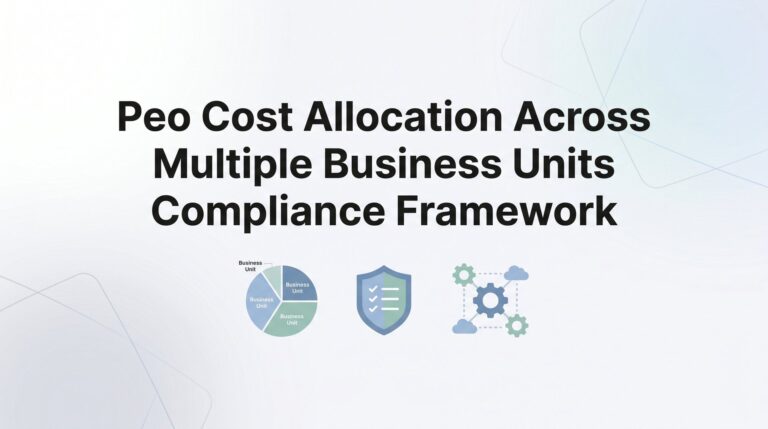
Building a PEO cost allocation across multiple business units compliance framework requires more than splitting invoices — it demands a structured, audit-ready methodology that accurately distributes admin fees, workers’ comp premiums, benefits costs, and payroll taxes by division. This guide provides finance teams with a repeatable system that withstands regulatory scrutiny, prevents tax filing errors, and supports accurate profitability analysis across entities operating in different states…
Many PEO clients struggle with financial reporting opacity — unclear invoices that bundle fees, workers’ comp costs, and benefits charges without meaningful breakdown. This guide walks you through how to conduct a PEO financial reporting opacity review, identifying what questions to ask, which line items to scrutinize, and how to determine whether your provider’s billing structure is genuinely transparent or simply repackaged ambiguity.
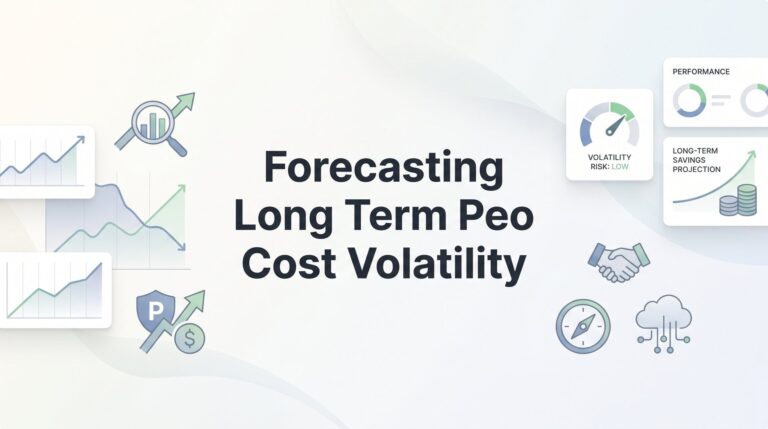
Forecasting long-term PEO cost volatility before signing a contract can protect your business from unexpected pricing surprises in years two through five. This guide explains how to analyze admin fee structures, health plan renewal patterns, workers’ comp adjustments, and contract language that gives PEOs discretion to reprice, so you can evaluate total cost of ownership rather than being misled by competitive year-one quotes alone.
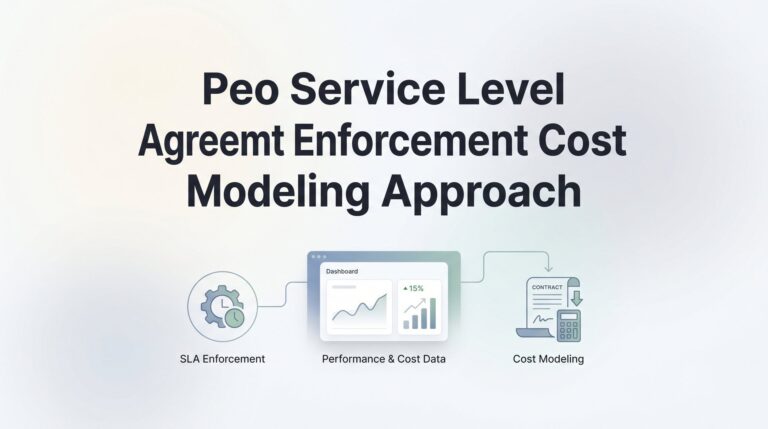
A structured PEO service level agreement enforcement cost modeling approach helps business owners quantify the true financial impact of missed SLAs — from late payroll runs to compliance failures — so they can determine which breaches are worth pursuing and negotiate from a position of informed leverage rather than frustration.
A financial due diligence review of PEO contracts requires examining more than headline pricing—layered cost structures, renewal clauses, variable fee schedules, and benefits allocation language often hide unexpected charges. This guide walks business owners through seven critical steps to understand where money actually flows, what triggers cost increases, and where negotiating leverage exists before signing.
A PEO profit structure investigation reveals how bundled pricing and vague line items obscure the multiple revenue streams PEOs use — from workers’ comp markups to health plan margins — that directly impact what your business pays. This breakdown helps business owners identify hidden costs and conduct proper due diligence before signing or renewing a PEO contract.
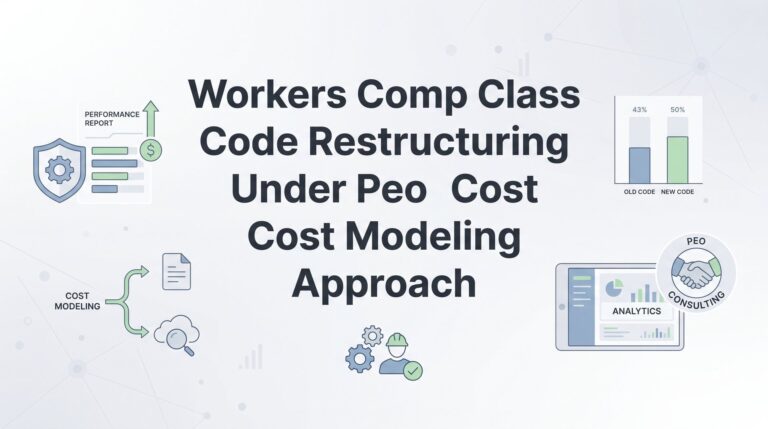
Workers’ comp class code restructuring under a PEO cost modeling approach offers businesses with mixed job roles a strategic opportunity to correct misclassified employees, reduce premium costs, and gain transparency into per-code pricing. This guide explains how to audit dual-duty roles, align classifications accurately under a PEO’s master policy, and avoid bundled pricing traps that obscure your true workers’ comp cost basis.
PEO service level agreement enforcement financial impact analysis reveals that SLA failures silently drain operating budgets through absorbed labor costs, tax penalties, idle onboarding time, and compliance fines. This guide shows business owners how to systematically track and quantify these hidden costs to gain real leverage in PEO contract renewals and accountability conversations.
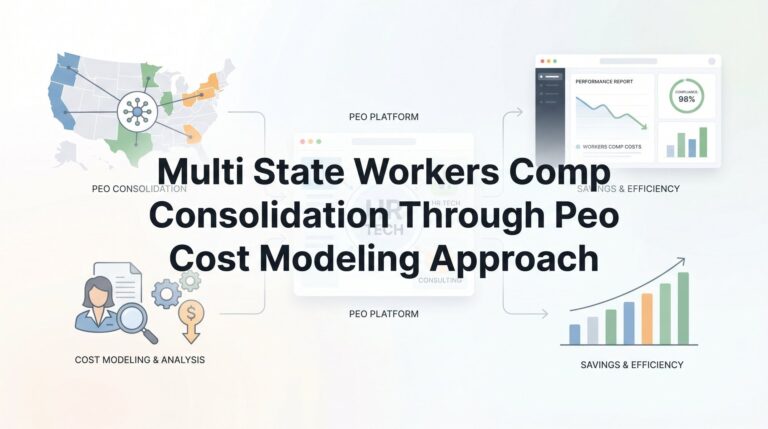
Multi-state workers’ comp consolidation through a PEO cost modeling approach gives employers running operations across multiple states a structured framework to evaluate whether centralizing under a single master policy actually saves money. This guide walks through building a real cost model using your specific numbers—comparing current carrier costs, experience mods, audit exposure, and administrative burden against PEO pricing—so you can make a data-driven decision rather than relying on a…
Companies using a PEO across multiple business units often receive a single bundled invoice that makes accurate cost tracking nearly impossible. This guide provides a practical, step-by-step approach to building a PEO cost allocation across multiple business units cost modeling approach, showing finance teams how to break apart bundled line items and assign expenses to the correct divisions based on actual cost drivers rather than simple headcount splits.
