Deep dives into payroll, benefits administration, HR support, onboarding, and operational shifts inside a PEO arrangement.
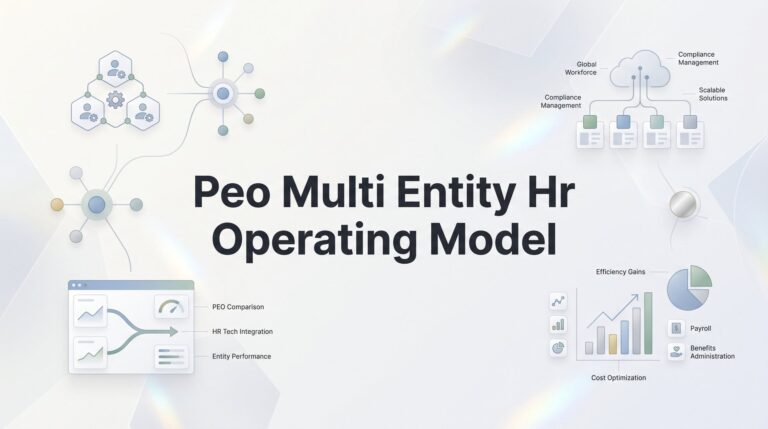
A PEO multi-entity HR operating model can consolidate HR functions across multiple business units, but the arrangement requires deliberate structuring from the start. This guide explains how PEO relationships actually function across different legal entities, EINs, and state footprints—covering where the model holds up, where it breaks down, and the critical considerations before committing to or renewing a multi-entity PEO agreement.
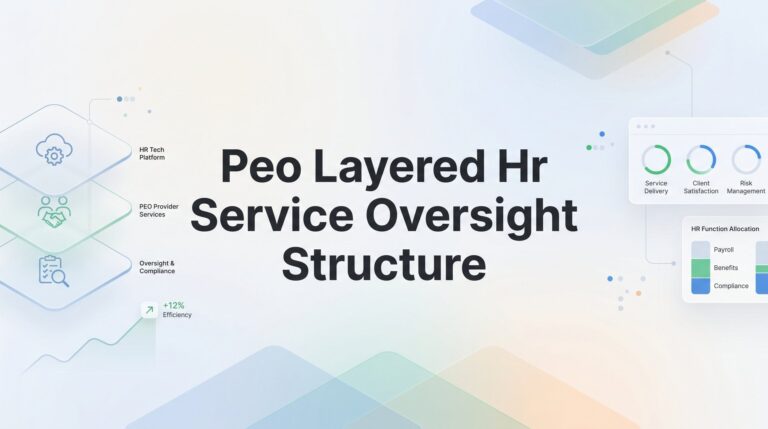
Understanding the PEO layered HR service oversight structure is critical for businesses that assume their provider handles everything—because gaps between internal teams and PEO responsibilities are where compliance failures and liability actually live. This breakdown clarifies who owns what across each layer of a typical PEO arrangement, helping companies eliminate the dangerous assumption that someone else is monitoring whether HR tasks are getting done.
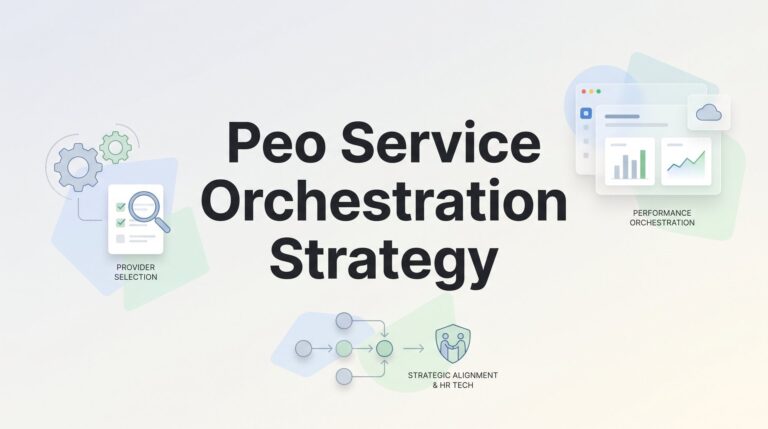
A PEO service orchestration strategy solves the common problem of fragmented HR functions by deliberately mapping how payroll, benefits, compliance, and workers’ comp connect within your PEO relationship. This guide explains how to define ownership, establish clean handoffs, and align internal operations with PEO services so nothing falls through the cracks.
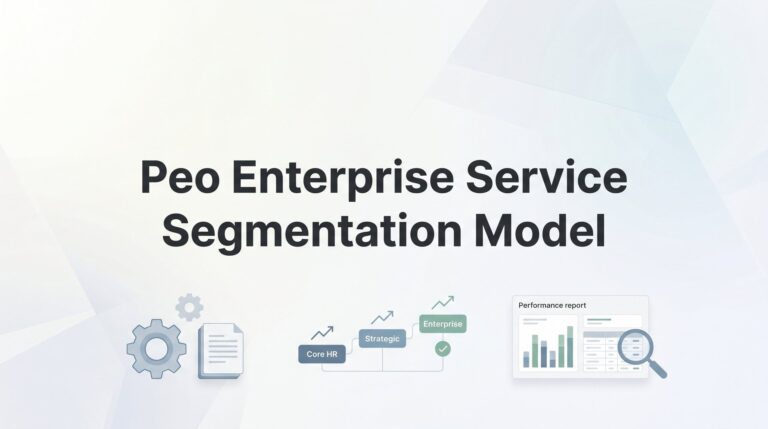
Large PEOs use a structured peo enterprise service segmentation model to tier their offerings based on company size, risk profile, and complexity — meaning most buyers only see a curated slice of available services during the sales process. Understanding how these tiers work, what changes between them, and how pricing and support structures shift gives businesses the negotiating leverage needed to secure the right service level for their actual needs.
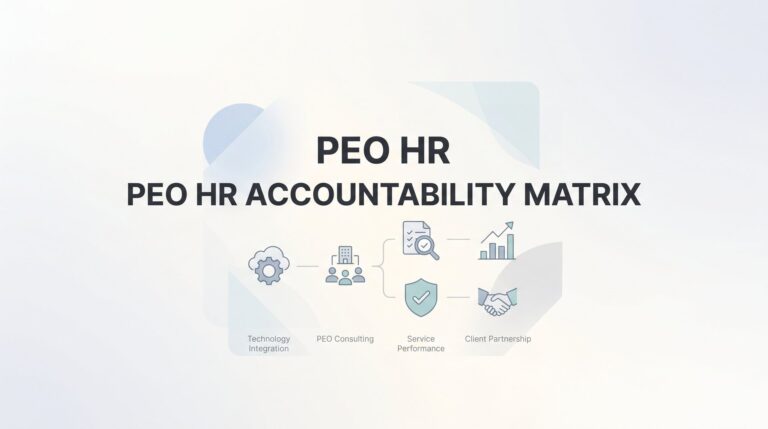
A PEO HR accountability matrix clarifies exactly who owns each HR responsibility in a co-employment relationship, preventing the costly gaps that occur when businesses and their PEO both assume the other party is handling compliance tasks like COBRA notices, terminations, and payroll tax filings. This practical framework helps companies translate vague service agreement language into a clear operational map of shared employer duties.
Understanding PEO service customization structure helps business owners move beyond one-size-fits-all assumptions and negotiate smarter contracts. This guide breaks down how providers organize offerings into tiers, modules, and add-ons, revealing where businesses have real flexibility in what they pay for and control, and where customization options are more limited than sales presentations suggest.
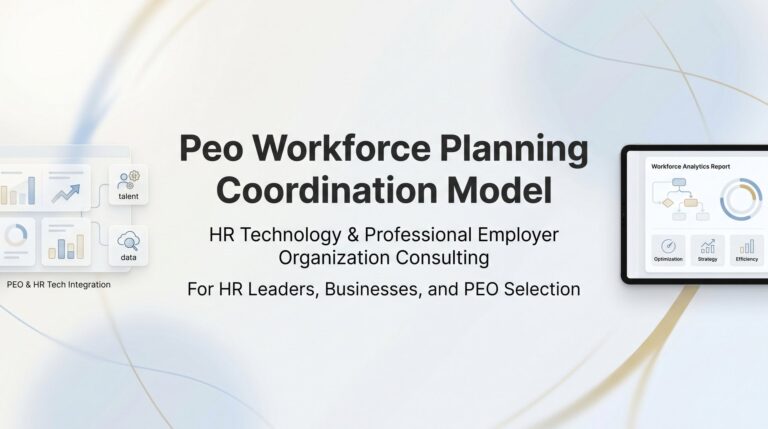
The PEO workforce planning coordination model describes how co-employment creates a dual-timeline hiring process where your decisions trigger separate PEO workflows for payroll, benefits, and compliance. Understanding this coordination layer helps businesses prevent operational bottlenecks and align their headcount planning with the realistic timelines that emerge once a PEO partner is involved in onboarding new employees.
Effective PEO HR systems interoperability planning prevents costly manual workarounds like CSV exports, shadow spreadsheets, and disconnected onboarding workflows that emerge when technology compatibility is evaluated too late. This guide helps business owners and HR leaders assess system connectivity before signing with a PEO, ensuring payroll, ATS, and benefits platforms communicate seamlessly from day one.
A poorly defined PEO hybrid employee communication structure leads to costly gaps where employees fall through the cracks between your internal HR team and your PEO provider. This guide breaks down exactly who owns which communications, when each party should deliver them, and how to build a clear framework that prevents confusion, missed deadlines, and workforce trust erosion in co-employment arrangements.
Effective PEO with internal finance team coordination requires clearly defining ownership before implementation begins — not after the first bundled invoice arrives. This guide breaks down exactly where responsibilities overlap between your PEO and finance function, why onboarding failures happen when HR leads the process without controller input, and how to establish the workflows, reporting formats, and communication structures that prevent costly reconciliation problems down the line.
