
The most common advice on a search like professional employer organization near me sounds sensible and leads buyers in the wrong direction. A nearby office can feel reassuring. It doesn't tell a finance team whether the PEO's health plan options are competitive, whether payroll support is responsive, whether the contract shifts too much liability, or whether renewal pricing will become painful a year later.
That matters because a PEO decision sits closer to an operating model decision than a vendor directory search. Companies that partner with a PEO grow 7% to 9% faster, experience 10% to 14% lower employee turnover, and are 50% less likely to go out of business, according to NAPEO industry research data. Those outcomes don't come from ZIP code proximity. They come from fit, execution, and contract quality.
A smarter search starts by treating “near me” as a filter of last resort, not the first one.
Table of Contents
- Why Your PEO Search Should Go Beyond 'Near Me'
- How to Build Your Initial PEO Shortlist
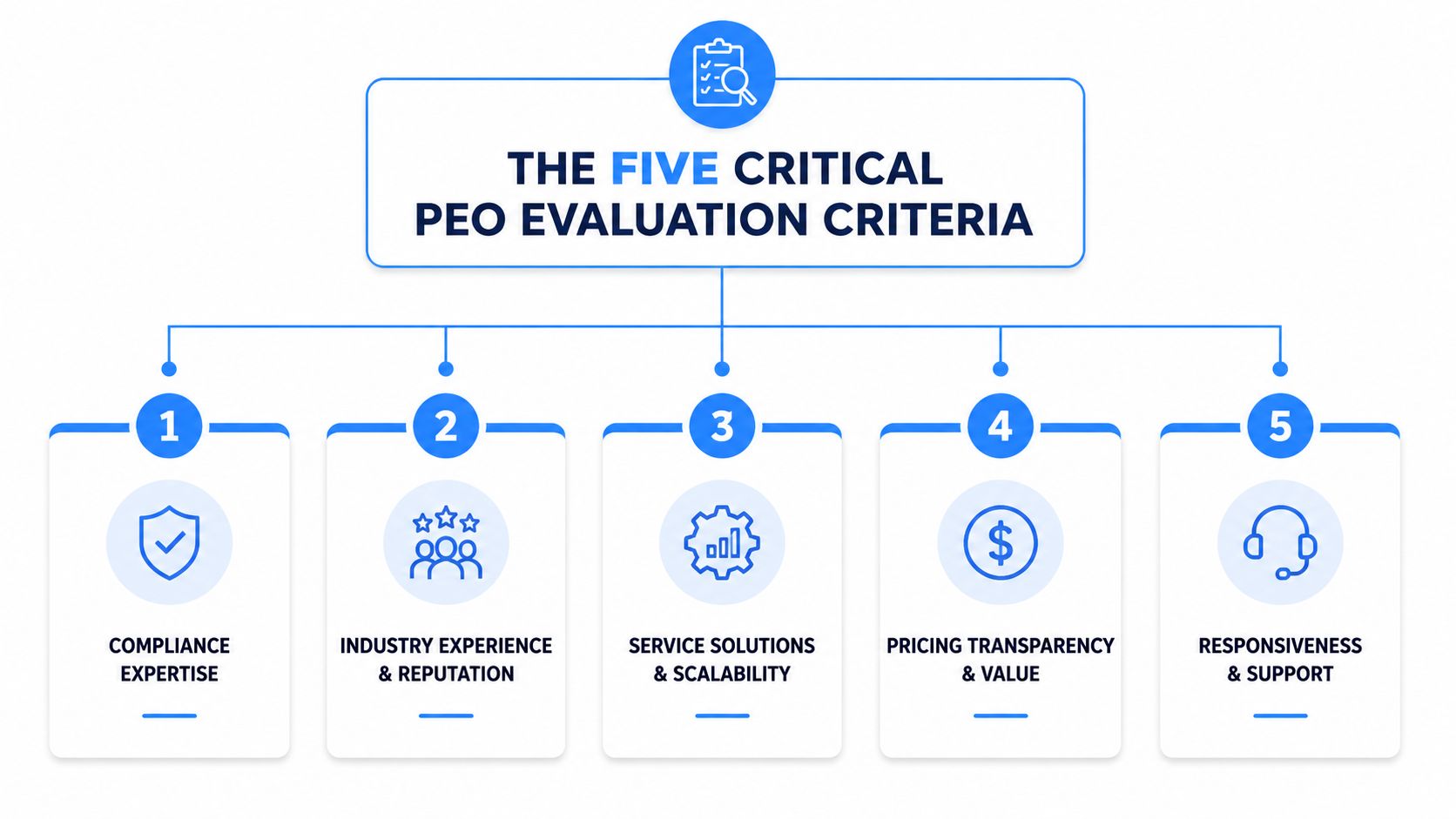
- The Five Critical PEO Evaluation Criteria
- Vetting Providers with the Right Questions
- Final Due Diligence and Negotiation Strategy
- Making a Confident Decision and Next Steps
- Frequently Asked Questions About Choosing a PEO
Why Your PEO Search Should Go Beyond 'Near Me'

Most buyers type “professional employer organization near me” because they assume local means better support. In practice, that assumption usually confuses visibility with fit. A provider may have a local sales office and still route service through a national queue. Another may be based elsewhere and assign a stronger service team with better benefits advantages, cleaner payroll workflows, and more experience in your operating states.
For employers with 10 to 2,000 workers, the importance of these services means that convenience should rank low on the list. What matters more is whether the PEO can support the company's hiring footprint, benefits strategy, risk profile, and finance controls. A local handshake won't fix a weak renewal clause or a poor workers' compensation structure.
A quick primer on the model can help frame the search. This overview of what a professional employer organization is is useful for teams that need a concise baseline before comparing providers.
What “near me” usually misses
Three issues tend to get ignored when proximity dominates the search:
- Benefits buying power: A nearby office doesn't prove stronger plan design, broader networks, or cleaner administration.
- Multi-state execution: If the company hires across state lines, local branding matters less than compliance reach and process discipline.
- Contract negotiation power: Buyers often focus on who can visit the office and overlook fee escalation, termination mechanics, and renewal protections.
Practical rule: If the strongest point in the sales pitch is office location, the buyer probably hasn't learned enough about the actual operating model.
What local presence is actually worth
Local presence can still matter in some cases. Highly hands-on employers sometimes want in-person onboarding support, safety coordination, or a relationship team that can meet on site. That can be useful, especially during implementation or when a company has decentralized managers who need extra help.
But location should answer a narrow question: Will in-person access materially improve execution for this company? If the answer is unclear, it shouldn't outweigh better pricing structure, better service design, or stronger contractual protection.
The better search approach is simple. Start with capability, registration status, industry fit, and total cost. Use geography only as a tie-breaker.
How to Build Your Initial PEO Shortlist
A good shortlist doesn't start with the first page of search results. It starts with company facts. Headcount, states of operation, industry risk, benefits priorities, and internal HR capacity will narrow the field much faster than broad “near me” pages.
The U.S. PEO market is established and crowded. IBISWorld notes that the industry comprises 6,675 businesses as of 2026, with business count growth outpacing market size growth, and NAPEO says PEOs serve 173,000 small and midsize companies employing about 4 million people. PEO employees account for 15% of all employment by private sector firms with 10 to 99 workers and 2.4% of all civilian jobs in the United States, according to this industry profile. That gives buyers plenty of room to compare instead of defaulting to the first local option.
Sort providers by fit before brand recognition
Start by grouping providers into three buckets:
- Large national PEOs such as TriNet or Insperity. These usually appeal to buyers that want broad infrastructure, established processes, and multi-state depth.
- Regional firms with defined service markets. These can be a fit for employers that want more relationship-driven support.
- Industry-oriented providers. Construction, healthcare, professional services, hospitality, and field-heavy businesses often need different service depth around workers' comp, onboarding, or compliance.
A comparison hub like best professional employer organization options can help buyers organize those categories without relying on who spent the most on search ads.
Don't mistake registration for headquarters
A New York example shows why “near me” can be misleading. The state registry includes many PEOs that are registered to operate there but are not headquartered in-state, which shows that legal registration and service model matter more than office location for compliance and service quality, as shown on the New York PEO list.
That distinction changes how a shortlist should be built.
- Check operating states first: Confirm the provider is positioned to support every state where employees work.
- Check service design second: Find out whether the buyer gets a dedicated team, named contacts, or a rotating support desk.
- Check industry match third: A provider that understands payroll complexity, claims handling, and employee classification in the buyer's sector will usually outperform a generic local option.
Buyers should treat “office near me” as a marketing detail until the provider proves how service is actually delivered.
Keep the first round tight
Three to five providers is enough for the first pass. More than that usually creates noise. Less than that weakens your bargaining power.
The strongest shortlist has contrast in it. One national platform. One regional relationship-driven firm. One specialist that fits the company's workforce profile. That structure gives HR and finance teams a realistic view of trade-offs instead of five versions of the same sales pitch.
The Five Critical PEO Evaluation Criteria
The right way to compare a PEO is side by side, using a scorecard that forces hard trade-offs into the open. Buyers who skip this step tend to overvalue sales responsiveness and undervalue structural issues that cost more later.
Price the whole arrangement, not the headline fee
PEO pricing usually shows up in two forms: a flat monthly per-employee fee or a percentage of payroll, typically 1% to 4%, according to this PEO pricing analysis. That headline number isn't enough. Transparent negotiations can reveal a 15% to 30% variance in total cost between competing proposals for identical service levels, which is why line-item review matters.
The practical problem is bundling. Admin fees, workers' compensation, EPLI, benefits administration, and other charges can be blended together so the invoice looks simple while the cost drivers remain opaque.
A workable scorecard should ask:
- What's bundled and what isn't
- Which fees can rise at renewal
- How workers' comp is structured
- Whether implementation costs appear separately
- Whether rate guarantees exist
Benefits quality changes the employee experience
Benefits evaluation gets mishandled when teams compare premiums only. Premium cost matters, but so do network access, plan design, contribution flexibility, and administrative accuracy.
For example, a lower-cost health plan can create employee friction if the network is narrow, common providers are out of network, or enrollments are handled poorly. The same is true for ancillary benefits. Dental, vision, disability, life, commuter, and retirement support may look secondary in a spreadsheet and become major employee issues after rollout.
Employers that are also reviewing broader engagement tools may find it useful to look at related thinking on do wellness programs improve employee performance. The useful connection isn't hype. It's that benefits design and employee experience should be evaluated together, not in separate silos.
Service model decides whether problems get solved
Many "near me" searches collapse at this point. A local office doesn't guarantee a strong service structure.
Ask whether the buyer gets a dedicated payroll contact, an HR generalist, a benefits specialist, and a claims resource, or whether everything flows through a general support channel. That difference shows up when a payroll issue lands the day before funding, a worker needs coverage clarified, or a manager needs guidance on a termination.
A PEO relationship rarely fails because the demo looked bad. It fails because routine problems take too long to resolve.
Technology should survive real use, not demos
The platform should be judged by how it handles daily work. Onboarding. Payroll changes. Multi-state hiring. Benefits elections. Reporting. Mobile access for employees. Manager approvals.
A practical framework for how to choose a PEO should include platform usability for HR, payroll, managers, and employees separately. Those audiences don't use the system the same way, and one clean admin dashboard won't fix a clumsy employee experience.
Contract terms decide how expensive mistakes become
Strong providers can still present weak contracts. Buyers should review fee escalation language, renewal mechanics, termination notice periods, data access, implementation responsibilities, and liability allocation.
A provider with a reasonable fee and poor exit terms can become much more expensive than a provider with a slightly higher fee and cleaner protections. Experienced CFOs usually focus on these details late, but they should focus on them early.
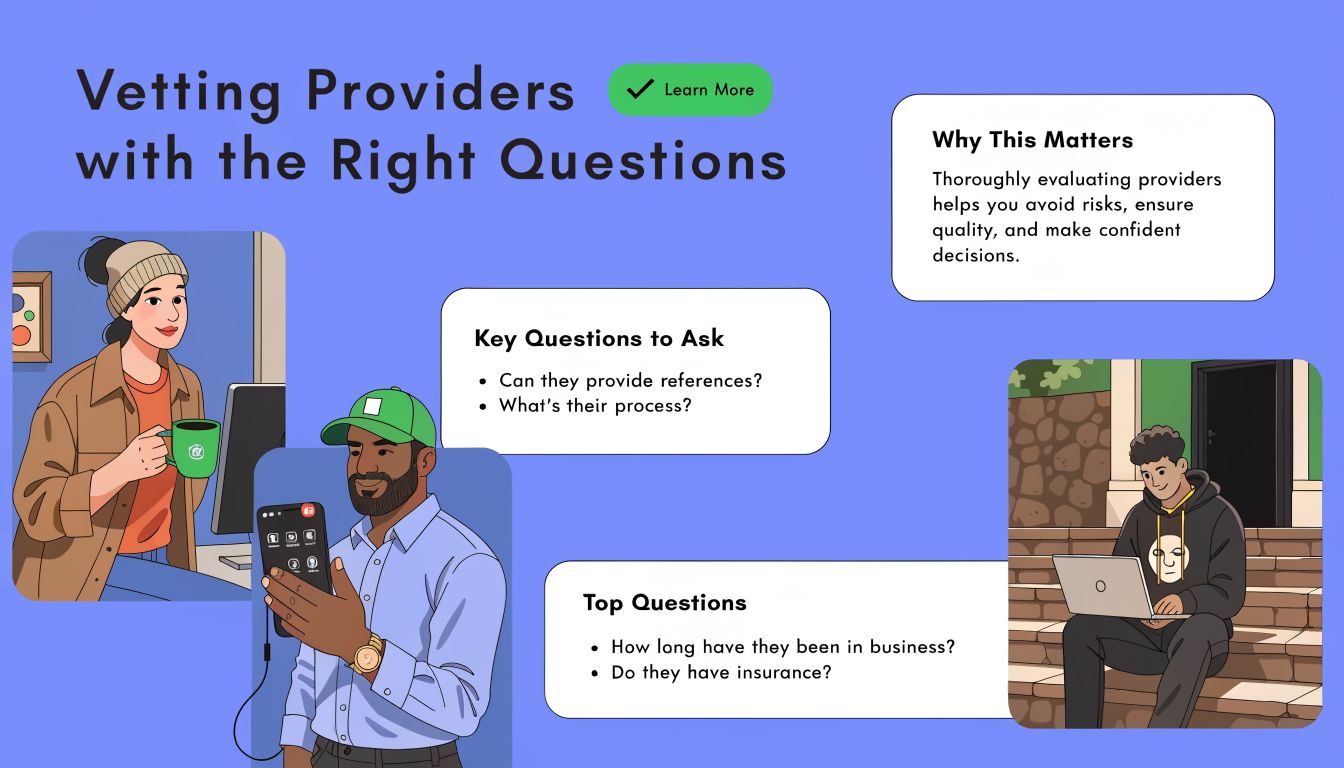
Vetting Providers with the Right Questions
A polished proposal doesn't answer the questions that matter. The buyer has to force specificity. That means replacing broad prompts with operational ones and asking providers to show how work gets done.
Best practice includes requesting a test drive of the tech platform to assess onboarding workflows and measuring support response times against industry benchmarks before signing, as described in this guidance on common PEO selection pitfalls. Buyers who skip that step often learn too late that the platform looked cleaner in the demo than it does in daily use.
A practical worksheet like this PEO due diligence checklist helps keep those questions consistent across providers.
Ask for operating proof, not polished claims
Instead of asking “How does your service team work?”, ask questions that force a concrete answer:
- Support structure: Who handles payroll issues, benefits questions, HR guidance, and claims? Are those roles assigned by name?
- Escalation process: What happens when payroll is wrong on processing day? Who owns the fix?
- Implementation detail: Walk through the exact onboarding sequence for a new employee in a different state.
- Billing transparency: Show a sample invoice and identify every major cost component.
- Renewal mechanics: When are benefits and fee changes communicated, and where can rates move?
These questions work because they make the provider describe actual operations rather than preferred branding.
Reference checks should target failure points
Many buyers waste reference calls by asking whether the client is “happy.” That produces polite, low-value answers.
A better reference check sounds like this:
- Billing accuracy: Were there invoice surprises after implementation?
- Renewal experience: Did pricing or benefit changes arrive with enough time to react?
- Support consistency: Did the assigned team stay stable?
- Problem handling: What happened the last time payroll, benefits enrollment, or leave administration went wrong?
- Exit realism: If the client had to switch, how difficult would the process be?
Ask references about the worst month, not the average month. Average months don't reveal much.
One more useful test is live workflow review. Have the provider show how a manager approves a pay change, how an employee pulls tax documents, and how HR runs a standard report. If those simple actions are clumsy, the rest won't improve after signing.
Final Due Diligence and Negotiation Strategy
By the time a buyer reaches the contract stage, most of the power still exists. Too many teams act as if provider selection is over once they pick a finalist. It isn't. The final diligence and negotiation phase is where expensive surprises can still be removed.
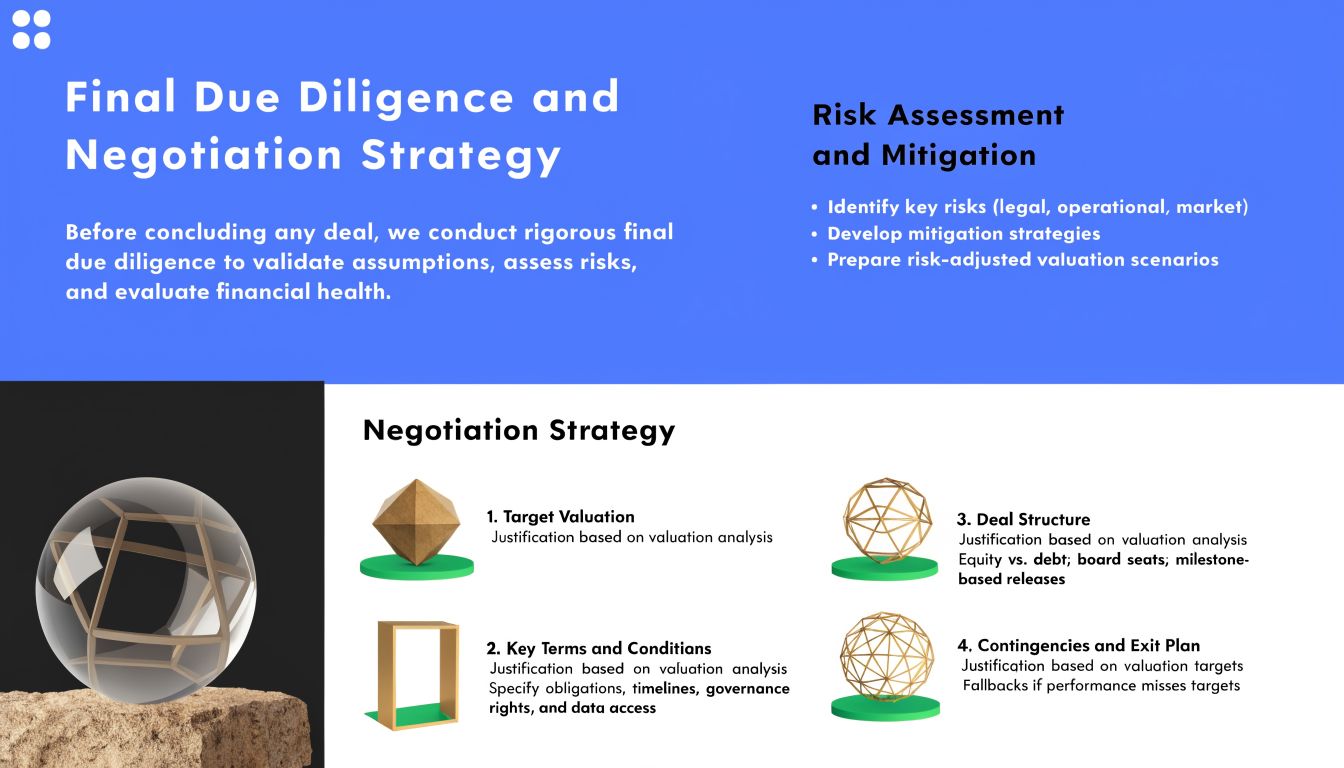
The most valuable negotiation points in a PEO contract are often not just the admin fee. Buyers should push for rate locks, implementation credits, clear renewal protections, and favorable liability language, as noted in this article on PEO contracting in New York.
What to check before legal review ends
The Master Service Agreement should get a line-by-line business review, not just legal review.
Look closely at:
- Automatic renewal terms: If the notice window is too early or too narrow, the buyer can lose their bargaining position before market checks begin.
- Termination mechanics: The agreement should say how the relationship ends, what support continues during transition, and how data is returned.
- Liability allocation: Broad language that shifts too much risk to the client deserves pushback.
- Fee adjustment language: If pricing can change under vague conditions, the buyer should tighten that wording.
A contract review guide such as this PEO contract negotiation guide can help non-legal stakeholders spot business risk inside legal language.
What experienced buyers actually negotiate
The strongest negotiations usually focus on four areas:
- Rate protection for a defined period.
- Implementation credits to offset setup friction.
- Renewal protection so the buyer has time to benchmark alternatives before being locked in.
- Service accountability through specific commitments and remedies.
The cheapest proposal on signing day can become the most expensive one at renewal if the contract leaves too much room for movement.
A buyer doesn't need to fight every clause. It needs to identify the few terms that drive cost, flexibility, and risk over the life of the agreement. That's where negotiation effort pays back.
Making a Confident Decision and Next Steps
The final decision usually comes down to a three-way trade-off: cost, service, and contract risk. Very few proposals win all three cleanly. The buyer's job is to decide which weaknesses are manageable and which ones will create recurring operating pain.
A confident decision doesn't require certainty on every point. It requires enough evidence that the chosen provider can support the company's current structure and still hold up as the workforce changes. For a 20-person firm, that might mean strong hands-on support and straightforward administration. For a multi-state employer with several hundred workers, it may mean deeper compliance coverage, better reporting, and a more durable service model.
A practical decision screen
Before signing, the company should be able to answer yes to these questions:
- Can finance explain the full cost structure in plain language?
- Can HR describe how support works when something goes wrong?
- Can managers and employees use the platform without constant workarounds?
- Can legal and leadership live with the exit and renewal terms?
- Can the provider support the company's likely growth path?
If one answer is no, the buyer probably needs one more negotiation round.
Where an outside benchmark helps
This is also the point where an outside review can be useful. A broker, benefits consultant, or independent advisory firm can benchmark final proposals against market norms and point out where pricing or terms appear weak. One factual option in that category is PEO Metrics, which compares providers side by side on pricing, benefits, service model, compliance support, and contract terms.
That outside benchmark matters most when the proposals look similar on the surface. Small differences in workers' comp structure, renewal language, support design, or implementation obligations can change the actual value of the deal.
The immediate next steps are straightforward. Finalize the shortlist winner, close open contract points, build the implementation timeline, and assign internal owners for payroll, benefits, legal review, and employee communication.
Frequently Asked Questions About Choosing a PEO
PEO vs. ASO key differences
Some employers don't need a full PEO structure. They need targeted HR administration without the same co-employment model. That's where an ASO can be worth evaluating.
| Feature | PEO (Professional Employer Organization) | ASO (Administrative Services Organization) |
|---|---|---|
| Employment model | Co-employment arrangement | Administrative support without the same co-employment structure |
| Service scope | Typically bundled HR, payroll, benefits, compliance, and related services | Often more modular and a la carte |
| Benefits access | May offer access through the PEO's broader structure | Usually depends more directly on the employer's own arrangements |
| Fit | Often used by employers wanting a more comprehensive outsourced model | Often used by employers wanting support while retaining more direct control |
| Evaluation focus | Contract terms, bundled pricing, service depth, benefits quality | Scope of services, vendor integration, and internal admin capacity |
For employers comparing broader benefit support and related systems, this overview of employee benefits and HR administration tools can help frame what may sit inside or outside a PEO arrangement.
How long does implementation usually take
Implementation timing varies by payroll calendar, carrier transition timing, data quality, and how quickly the employer can make decisions. The important point isn't the exact number of days. It's whether the provider has a disciplined implementation process with named owners, payroll parallel testing, benefits enrollment planning, and a clean handoff from sales to operations.
Common delays come from missing employee data, unclear deduction setup, unresolved workers' compensation details, and late decisions on benefit elections.
What contract red flags matter most
Three issues deserve close attention:
- Auto-renewal traps: If the notice deadline arrives too early, the buyer can miss the window to renegotiate.
- Vague fee adjustment language: Broad wording gives the provider room to increase costs with limited resistance.
- Weak exit support: If transition obligations aren't clear, leaving can become disruptive.
The right contract should make renewal, pricing, liability, and termination understandable to HR, finance, and legal. If only outside counsel can explain the commercial consequences, the buyer needs clearer language.
Companies that start with a “professional employer organization near me” search often need a broader comparison before signing or renewing. PEO Metrics helps employers review PEO options side by side, benchmark pricing and benefits, and identify contract terms worth negotiating before they commit.
