

When spinning off a business unit, you immediately inherit employees but none of the HR infrastructure to support them—no payroll, benefits, or compliance systems. A PEO for divestiture support provides instant operational infrastructure, allowing divested companies to onboard employees within days rather than months, maintain compliance across jurisdictions, and avoid expensive Transition Services Agreements while building long-term HR capabilities. This solution bridges the critical gap bet…
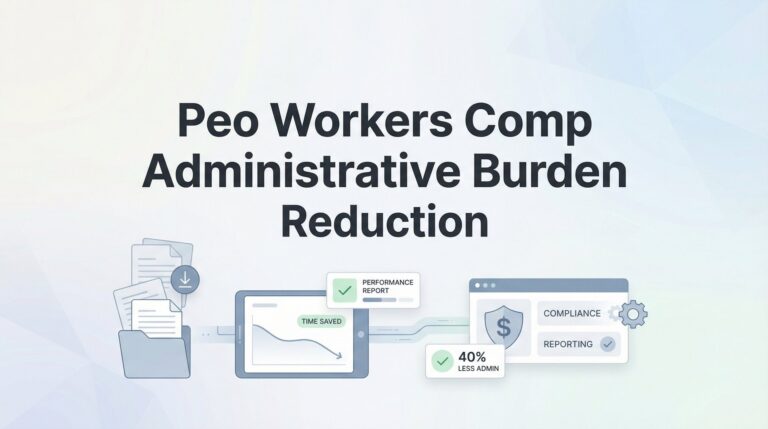
Managing workers’ comp can consume hours of HR time weekly through certificate tracking, claims coordination, audits, and classification code management—costs that multiply as companies grow. This guide explores seven proven strategies for using a PEO to significantly reduce peo workers comp administrative burden, focusing on practical implementation tactics like consolidating under master policies, streamlining claims management, and automating compliance tasks rather than surface-level bene…
When your PEO is acquired, you’ll likely receive a novation agreement—a legal document that transfers your existing contract to the new owner. Understanding PEO contract novation explained is critical because it determines who’s liable for payroll taxes during transition, whether your employee benefits remain intact, and if you’re bound to new terms you didn’t originally negotiate. This isn’t routine paperwork; it’s a pivotal moment that requires careful review to protect your business operat…
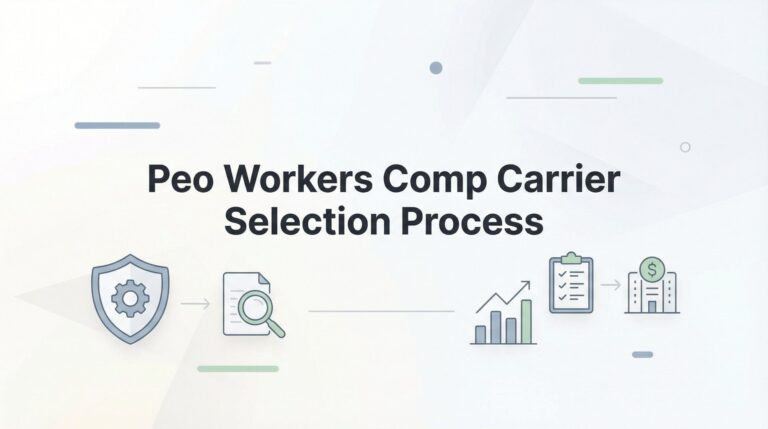
Choosing a PEO doesn’t mean you’re stuck with whatever workers’ comp carrier they use—and that carrier choice directly impacts your premiums and claims outcomes. This step-by-step guide shows business owners how to evaluate and influence the PEO workers comp carrier selection process, whether you’re vetting a new PEO partnership or auditing your current arrangement to reduce one of your largest employment expenses.
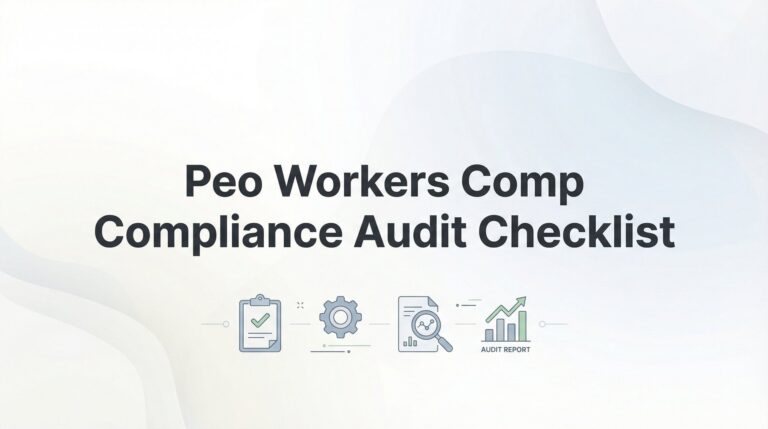
When using a PEO for workers’ compensation, business owners remain responsible for accurate job classifications, payroll reporting, and safety documentation despite the PEO handling the policy. This peo workers comp compliance audit checklist identifies seven critical checkpoints specific to co-employment arrangements that can prevent premium adjustments, back-charges, and coverage gaps during audits.
PEO representation clauses in acquisition agreements require sellers to personally guarantee third-party PEO compliance and performance—creating liability exposure for issues beyond their control. Before signing, business owners must understand these aren’t standard boilerplate provisions but specific contractual commitments that can trigger post-closing financial obligations if PEO-related compliance gaps, misclassifications, or disputes emerge after the sale.
A PEO claims management workflow prevents confusion in co-employment relationships by establishing clear ownership and communication protocols for workers’ compensation, benefits disputes, and unemployment claims. This guide helps businesses partnering with PEOs create structured processes that eliminate response delays, reduce costs, and stop claims from falling through the cracks between your HR team and the PEO’s claims department.
Managing workers’ compensation across multiple locations creates compliance headaches and financial risk due to varying state regulations, classification codes, and rate structures. This guide provides seven actionable PEO workers’ comp multi-location coverage strategies that help businesses achieve consistent protection, control premiums, and maintain compliance across all locations without building an internal workers’ comp team—focusing on practical operational decisions rather than generi…

Managing multiple portfolio companies with different HR systems creates expensive inefficiencies and compliance risks. A PEO for portfolio standard operating model centralizes employment infrastructure across your portfolio through unified benefits, standardized compliance protocols, and consolidated reporting—while maintaining individual company autonomy. This approach streamlines operations through one master service agreement and creates meaningful cross-portfolio workforce insights for be…

Private equity firms acquiring portfolio companies with employees across multiple states face fragmented payroll systems, inconsistent compliance practices, and unreliable labor cost data that complicate 100-day value creation plans. A PEO for private equity portfolio companies can standardize multi-state payroll governance and deliver the clean reporting boards demand, but success depends on matching the model to your specific portfolio company profile and understanding when internal capabil…

Private equity firms can use a PEO for M&A workforce integration to quickly consolidate disparate payroll systems, benefits packages, and multi-state compliance requirements across newly acquired portfolio companies. This strategic approach creates unified HR infrastructure during transitions, helping PE-backed companies accelerate operational improvements while minimizing compliance risks and employee disruption during the critical post-acquisition period.
Private equity firms managing multiple portfolio companies face compounded employment litigation risk that can threaten fund-wide performance through discovery exposure and reputational damage. This framework demonstrates how to strategically deploy a PEO for private equity portfolio companies litigation risk mitigation framework across your holdings—moving beyond individual company solutions to create an integrated, systematic approach that assesses exposure, selects compliance-focused PEO p…