
This step-by-step guide shows HR leaders how to design a PEO hybrid benefits strategy that works in practice, not just in theory. Learn how to split benefits between in-house and PEO administration, structure enrollment workflows across two systems, negotiate the arrangement with your provider, and communicate changes to employees without creating confusion or administrative chaos for your team.
Understanding PEO workers comp actuarial considerations helps business owners look beyond surface-level rate quotes to evaluate the underlying pricing mechanisms—loss projections, risk pooling, reserve estimates, and classification assumptions—that determine actual costs. By grasping how PEOs price workers compensation actuarially, you gain negotiating leverage to identify inflated proposals, challenge assumptions, and determine whether a pooled PEO structure genuinely saves money or if a sta…
Distribution companies facing 2-5% margins can leverage specialized PEOs to contain costs through workers’ comp programs for high-risk warehouse operations, Fortune 500-level benefits pooling, and systems that manage seasonal workforce fluctuations. This evaluation identifies the seven best PEO for distribution companies based on proven cost containment strategies—focusing on providers with actual distribution logistics experience rather than generic HR outsourcing capabilities.
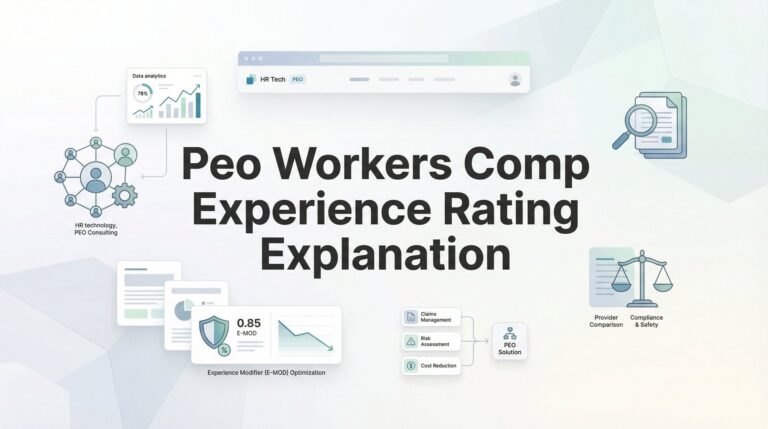
When your PEO workers comp premium jumps unexpectedly, understanding PEO workers comp experience rating explanation is crucial to knowing whether you’re paying fairly or subsidizing other companies’ claims. This guide cuts through the opacity of PEO pricing structures to show you exactly how your claims history connects to your premiums, what experience rating actually measures, and which questions to ask your PEO to determine if you’re getting a fair deal based on your own risk profile rathe…
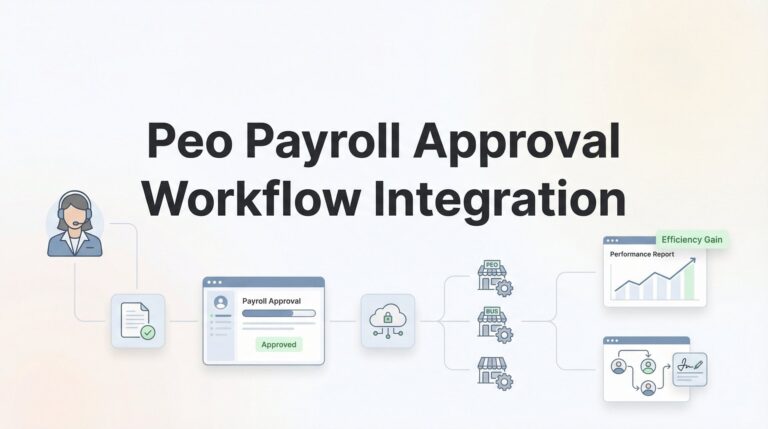
This step-by-step guide shows you how to integrate your company’s internal payroll approval process with your PEO’s system without creating bottlenecks or compliance issues. You’ll learn the practical decisions, technical configurations, and common mistakes to avoid when setting up a PEO payroll approval workflow integration that prevents delayed paychecks and keeps your operations running smoothly.
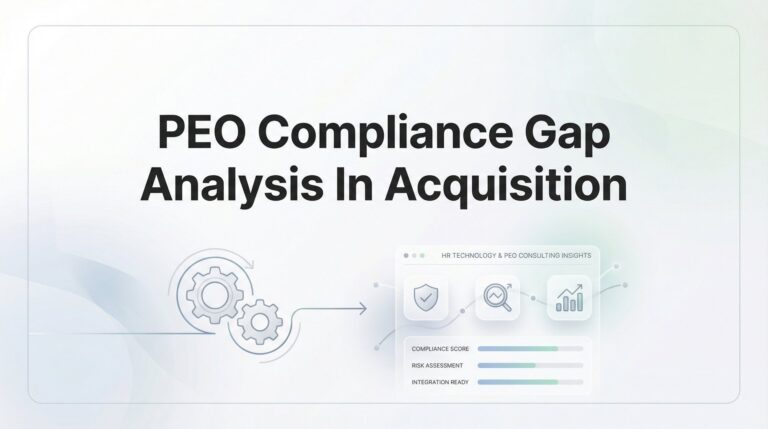
When acquiring a company using a PEO or integrating one into your existing arrangement, conducting a thorough PEO compliance gap analysis in acquisition is critical to avoid deal-breaking issues and costly post-close surprises. This systematic guide covers the essential due diligence steps—from requesting key documents and understanding co-employment agreement limitations to identifying which compliance responsibilities fall outside the PEO’s scope and prioritizing findings within tight deal …
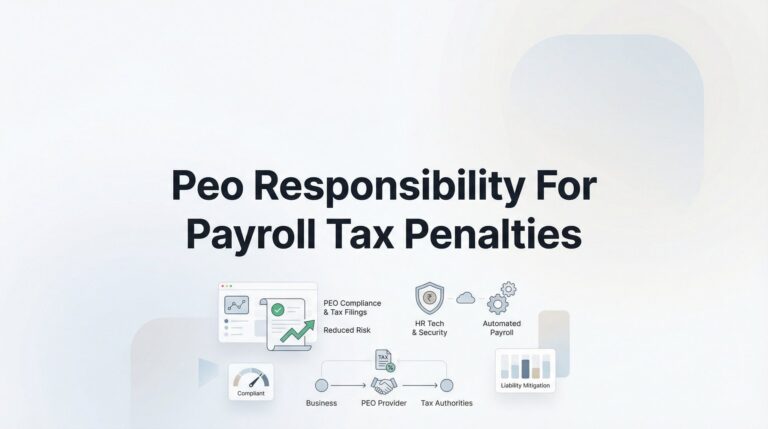
When payroll tax issues arise with a PEO arrangement, business owners often discover they haven’t fully transferred liability as assumed. Despite paying your PEO regularly, the IRS can still hold you personally responsible for unpaid payroll taxes and penalties, potentially reaching beyond business assets to your personal finances through trust fund recovery penalties. Understanding PEO responsibility for payroll tax penalties before problems emerge is critical to protecting yourself from une…
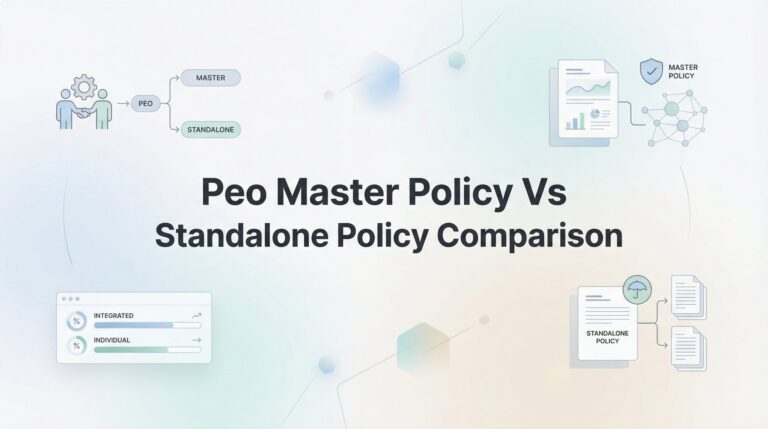
When choosing between a PEO master policy and standalone insurance, neither option is universally superior—the right choice depends on your company’s risk profile, growth plans, and need for coverage control. PEO master policies pool your employees with thousands of others, potentially saving on premiums and administration, while standalone policies give you direct control as the named insured and preserve your claims history. This guide examines seven critical factors to help you evaluate bo…
Most PEO contracts include mediation clauses that require dispute resolution through mediation before legal action, but these terms are rarely explained during sales. Understanding PEO mediation clause implications is critical before signing, as poorly structured clauses can delay resolution during urgent issues like payroll errors, limit your legal options, and create costly procedural barriers when you need fast action to protect your business and employees.
Manufacturing operations face steep workers’ comp costs, but structuring coverage through a PEO’s master policy can reduce premiums through pooled risk—if done correctly. This guide explains how to audit job classifications, negotiate PEO manufacturing workers comp structuring that rewards your safety record, and ensure your experience modifier transfers properly if you leave, so you avoid subsidizing other companies’ claims while protecting your margins.
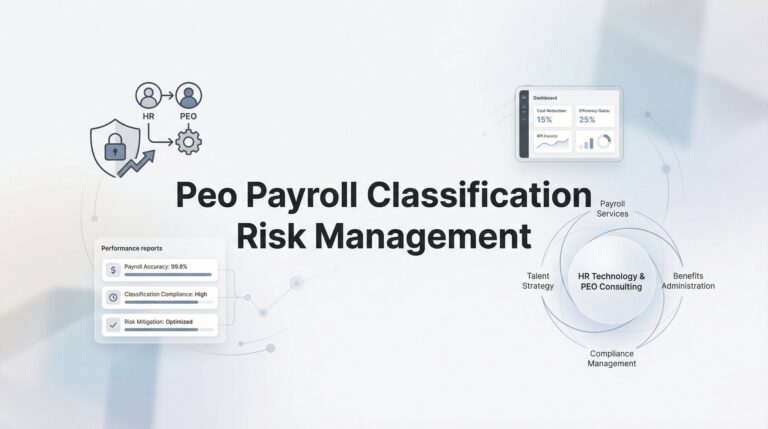
Worker misclassification can turn your PEO partnership into a costly liability, triggering back taxes, penalties, and lawsuits that eliminate any HR savings. While many business owners assume their PEO handles all classification decisions, the responsibility often remains with the employer—making proactive PEO payroll classification risk management essential to avoid IRS audits, wage claims, and compliance failures that catch companies off guard.
PEO contract termination disputes often arise when businesses try to exit agreements only to face unexpected penalties, restricted data access, and complex transition requirements involving payroll, benefits, and employee records. Understanding the termination clauses buried in PEO contracts—and knowing how to navigate disputes over fees, timelines, and data handoffs—can prevent costly standoffs that disrupt payroll and leave employees in benefits limbo during what should be a straightforward…