
At 25 employees, auto dealerships face a unique HR inflection point — too complex for informal management, too lean for a full in-house team. This guide delivers seven practical strategies for evaluating PEO fit, negotiating contracts, and capturing real cost savings within the specific operational context of a dealership.
A supervisor at a midsize plant notices a machine guard hanging loose near the end of second shift. The line keeps moving.…
Car wash businesses face a workforce profile most PEOs aren’t built for — high turnover, seasonal swings, physical labor risk, and hourly pay structures that generic platforms handle poorly. This guide walks car wash operators through the specific criteria that matter most when evaluating PEO options, so they can make a confident, informed decision without costly missteps.
Car wash businesses face unique HR challenges — thin margins, high turnover, and elevated workers’ comp exposure — that make choosing the right PEO critical. This guide covers three top car wash PEO providers and evaluation resources built specifically to help car wash operators compare pricing, assess contracts, and avoid costly mismatches.
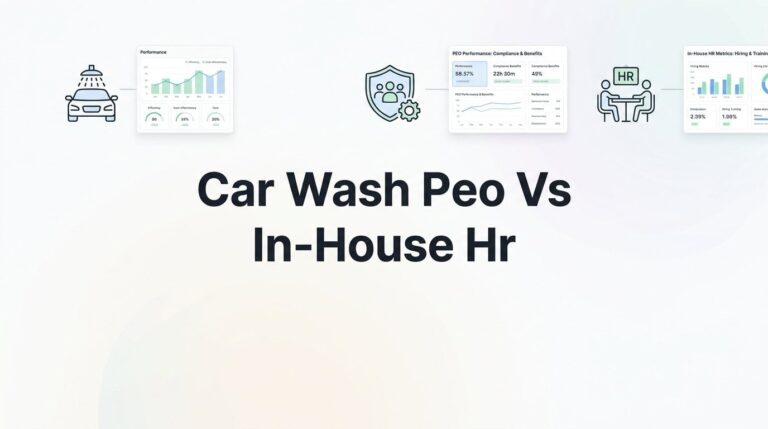
Deciding between a PEO and in-house HR for a car wash operation requires more than a generic pros-and-cons comparison — it depends on industry-specific factors like workers’ comp risk, high-turnover workforce management, and wage-and-hour compliance. This article breaks down the seven decision factors that actually matter for car wash operators, from single-site shops to multi-location express washes.
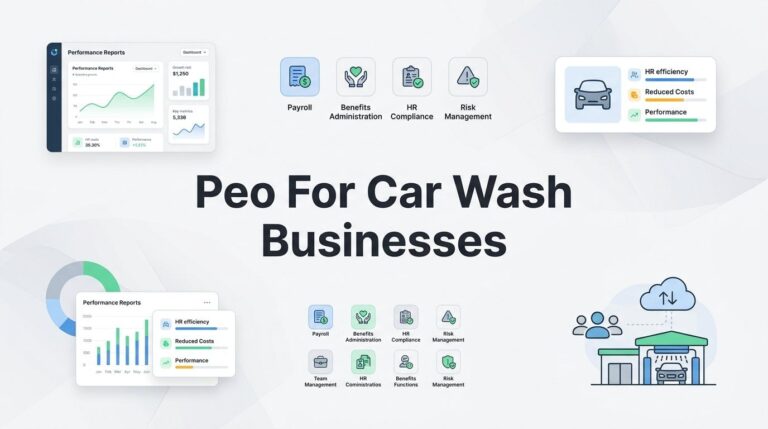
Car wash operations face a uniquely complex employment environment — high turnover, injury risk, tip credit rules, and seasonal headcount swings that create serious HR exposure. This article breaks down seven specific ways a PEO for Car Wash Businesses can reduce that burden, alongside an honest assessment of where the value holds up and where it doesn’t.
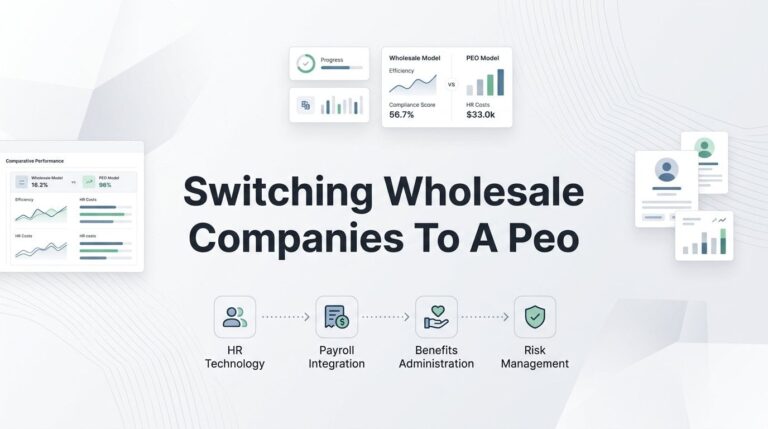
Switching wholesale companies to a PEO can meaningfully reduce workers’ comp exposure, benefits costs, and administrative strain — but only when the transition is handled deliberately. This guide covers the full process, from scoping your needs and evaluating PEOs suited to wholesale operations, to executing the switch without payroll gaps or coverage lapses.
A PEO deal can look clean on paper until the first hard employee issue hits. A manager approves leave that conflicts with…
Auto repair shops face a uniquely complex PEO pricing environment driven by high-risk workers’ comp classifications, variable pay structures, and above-average turnover — factors that generic pricing guides rarely address. This article breaks down the seven things shop owners need to understand about Auto Repair PEO Pricing & Cost Structure before evaluating or signing a PEO agreement.
An Auto Repair PEO Workers Compensation Program gives shop owners a practical alternative to high-risk pool pricing by pooling coverage under a PEO’s master policy — but real savings depend on payroll structure, class code placement, and whether the carrier has genuine auto service experience.
Auto dealerships have a uniquely complex workforce — commission-based pay, high-risk workers’ comp codes, F&I compliance exposure, and multi-rooftop structures — that most generic PEO evaluations fail to account for. This guide walks dealership owners and HR leads through the specific criteria that separate a PEO built for automotive retail from one that creates more problems than it solves.
Auto dealerships run complex, mixed workforces — from commission salespeople to service techs with real liability exposure — making the PEO vs payroll company decision far more consequential than a routine vendor change. This guide breaks down exactly how each option handles workers’ comp classification, HR administration, benefits access, and compliance so dealership owners can make a clear, informed choice.