

The renewal packet is on the desk. The PEO says EPLI is included. HR assumes that box is checked. Finance is focused…
Kitchen hood cleaning companies face unique PEO exit challenges due to specialized liability exposure and compliance demands that make mid-contract surprises especially costly. Understanding your Kitchen Hood Cleaning PEO Cancellation Policy before signing — including notice windows, auto-renewal clauses, and termination fees — can prevent being locked into an arrangement that no longer fits your operation.
Kitchen hood cleaning PEO contract terms carry unique risks that standard agreements often overlook, from workers’ comp classifications to audit methodology for crews handling chemical degreasers in confined spaces. Before signing, owners need to scrutinize co-employment structure, termination provisions, and how the PEO accounts for the trade’s late-night, high-hazard work environment.
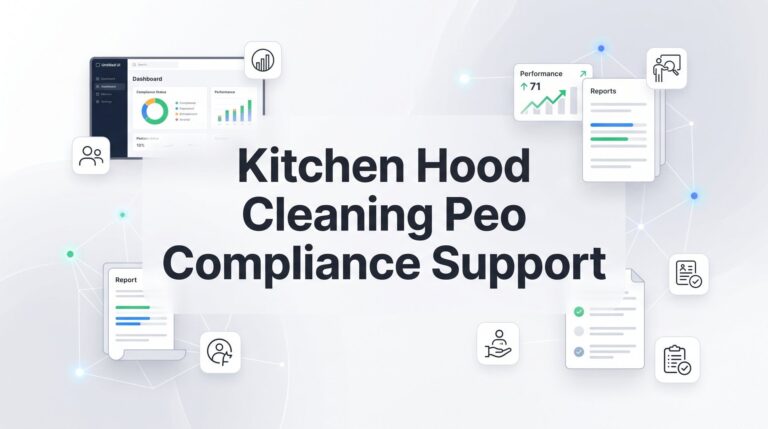
Kitchen hood cleaning operators face a uniquely layered compliance environment spanning fire safety standards, OSHA recordkeeping, chemical handling, and employment law simultaneously. This guide breaks down what kitchen hood cleaning PEO compliance support actually covers, where its limitations are, and how to determine whether it makes financial sense for your operation.
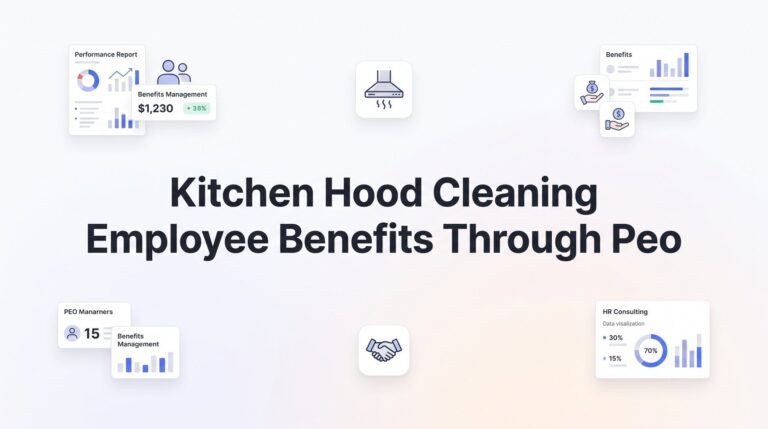
Kitchen hood cleaning companies can access Fortune 500-level employee benefits through a PEO, helping attract and retain skilled technicians in a high-risk, high-turnover trade. This guide covers how kitchen hood cleaning employee benefits through a PEO work in practice, including workers’ comp implications, crew classification, and whether the cost structure makes sense for small operations.
Kitchen hood cleaning companies face unique payroll challenges—mobile crews, hazardous work classifications, and strict compliance requirements—that generic payroll systems often can’t handle. This guide breaks down whether PEO payroll services are actually built for the realities of hood cleaning operations or just standard processing at a higher cost.
Most advice on a list of professional employer organizations is too soft. It treats PEOs like interchangeable HR bundles and skips the…
Security guard companies often face limited workers comp options, aggressive pricing, and surplus lines markets that deliver less favorable terms. A PEO workers compensation program built specifically for the security industry can provide access to admitted carrier coverage at manageable costs, but only when the PEO genuinely understands the unique risk classifications and operational realities of armed and unarmed guard operations.
Security guard companies face layered compliance demands across licensing, certifications, workers’ comp, and multi-state regulations that a PEO can help manage — but only partially. This guide clarifies exactly what security guard PEO compliance support covers, where it falls short, and what owners must still handle independently to avoid costly regulatory gaps.
Small security firms struggling to offer competitive health benefits can access large-group insurance rates through a PEO, which pools employees across thousands of companies to close the cost gap that makes retention so difficult for independent operators.
Security guard PEO contract terms contain industry-specific pitfalls around workers’ comp classifications, licensing provisions, and rate adjustment clauses that standard boilerplate agreements rarely account for. This guide breaks down the highest-risk contract sections security company owners should scrutinize before signing, so costly surprises don’t surface after a client loss, headcount shift, or compliance issue.
Security guard company owners face unique challenges when exiting a PEO agreement, including unwinding workers’ comp classifications for armed and unarmed guard codes, transferring state licensing obligations, and managing payroll records for high-turnover workforces. Understanding the security guard PEO cancellation policy terms before signing can prevent costly surprises when contracts shift or a better provider emerges.