
Restoration contractors weighing restoration PEO pros and cons will find the decision more complex than most industries due to unique challenges around workers’ comp costs, multi-agency compliance requirements, and emergency response staffing. This guide breaks down the real advantages and limitations of PEO arrangements specifically for restoration companies, helping contractors determine whether co-employment aligns with their risk profile and operational needs before committing.
Janitorial PEO pricing is more complex than headline rates suggest, with hidden variables like per-employee fee structures, separately priced workers’ comp, and workforce-specific factors that significantly impact total cost. This breakdown helps janitorial business owners understand exactly what drives janitorial PEO pricing and cost structure before signing a contract.
A Texas company can feel healthy on paper and still hit an operating wall fast. Revenue is moving. Hiring requests keep coming…
A janitorial PEO workers compensation program allows commercial cleaning companies to access lower insurance rates by pooling employees under a Professional Employer Organization’s master policy, bypassing the high-risk class codes that make standalone coverage expensive. This guide breaks down how the program works, what makes workers comp uniquely costly for janitorial businesses, and the key factors cleaning company owners should evaluate before enrolling.
Janitorial PEO payroll services offer cleaning companies a specialized solution for managing the unique complexities of the industry, including multi-site workers, fluctuating hours, high turnover, and city-specific compliance requirements. This guide cuts through generic PEO marketing to explain what actually matters for janitorial businesses and what questions to ask before committing to a provider.
Janitorial PEO compliance support helps cleaning business owners navigate the complex regulatory landscape of managing hourly, multilingual workers across multiple client sites — covering everything from I-9 audits and wage claims to workers’ comp and OSHA documentation. This practical guide breaks down exactly what a PEO does and doesn’t cover, so cleaning company owners can make an informed decision before committing.
Janitorial employee benefits through a PEO give cleaning business owners access to Fortune 500-level health insurance, 401(k), and compliance support by pooling employees under a larger organization’s group rates. This practical guide explains exactly what small janitorial operations gain from a PEO partnership — from reduced turnover to competitive contract advantages — without the administrative burden of managing benefits independently.
Understanding janitorial PEO contract terms before signing can protect cleaning business owners from costly surprises like automatic rate adjustments, minimum headcount penalties, and narrow exit windows that leave them locked into unfavorable agreements. This guide breaks down the specific contract mechanics that interact with the janitorial industry’s unique challenges—fluctuating workforce sizes, high workers’ comp exposure, and seasonal account changes—so owners can negotiate from an info…
Understanding your janitorial PEO cancellation policy before signing can save your cleaning business from costly surprises, including auto-renewal traps, termination fees, and sudden gaps in workers’ comp coverage. This guide breaks down the critical contract terms cleaning business owners need to review upfront, especially given the industry’s high-risk workforce classifications that make mid-contract exits particularly complicated and expensive.
Understanding commercial cleaning PEO pricing and cost structure requires looking beyond generic quotes to industry-specific factors like variable crew sizes, high-risk workers’ comp classifications, and turnover rates that significantly impact your actual invoice. This breakdown explains what drives PEO costs in commercial cleaning operations so you can evaluate quotes accurately and avoid unexpected expenses.
A Commercial Cleaning PEO Workers Compensation Program offers janitorial businesses access to master policy rates, co-employment structures, and pay-as-you-go billing that can significantly reduce the high premiums carriers typically charge the industry. This guide breaks down exactly what the program covers, how it works, and whether the cost and trade-offs make it the right fit for your cleaning operation.
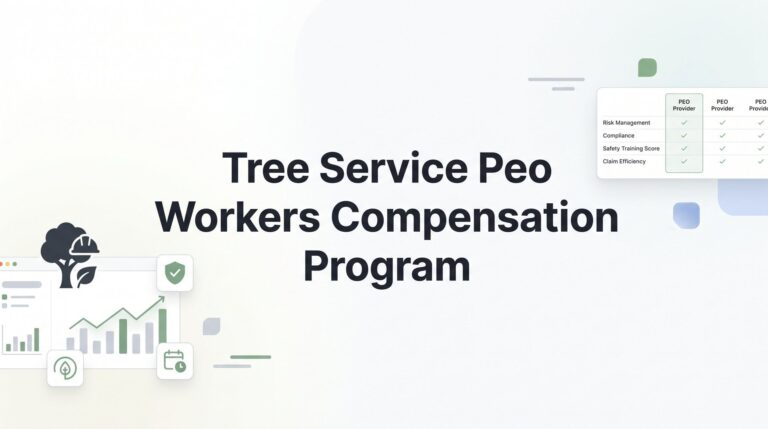
A Tree Service PEO Workers Compensation Program offers small and mid-size tree service companies a structured alternative to costly surplus lines markets and assigned risk pools by pooling coverage through a Professional Employer Organization. This breakdown covers how these specialized programs work, what they actually cost, where hidden pitfalls exist, and whether the arrangement makes financial sense for your specific operation.