
Understanding PEO workers comp dividend qualification rules is essential before signing any agreement, as the actual payout mechanics—including loss ratio thresholds, pool performance requirements, and individual account eligibility criteria—are rarely explained clearly during the sales process. This guide breaks down exactly what determines whether you qualify for a dividend and how the calculation works, so you can accurately evaluate what’s being offered.
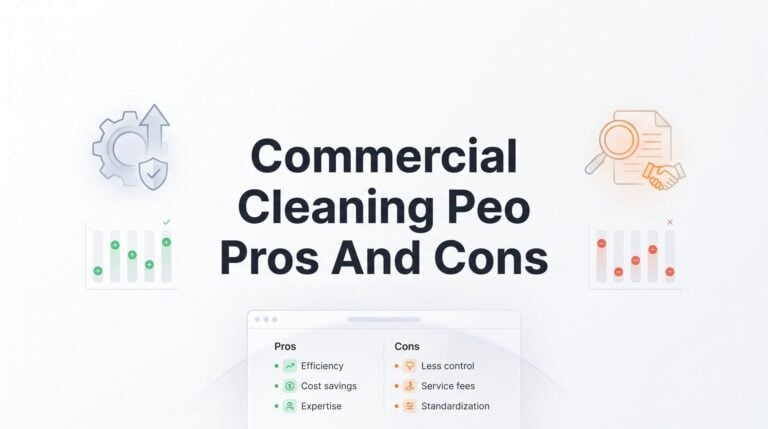
Commercial cleaning companies face unique HR challenges—scattered worksites, high turnover, and complex workers’ comp risks—that make the PEO decision more nuanced than for other industries. This guide breaks down the seven commercial cleaning PEO pros and cons that actually matter for your operation, helping you determine whether the co-employment model’s benefits outweigh its specific friction points for cleaning businesses.
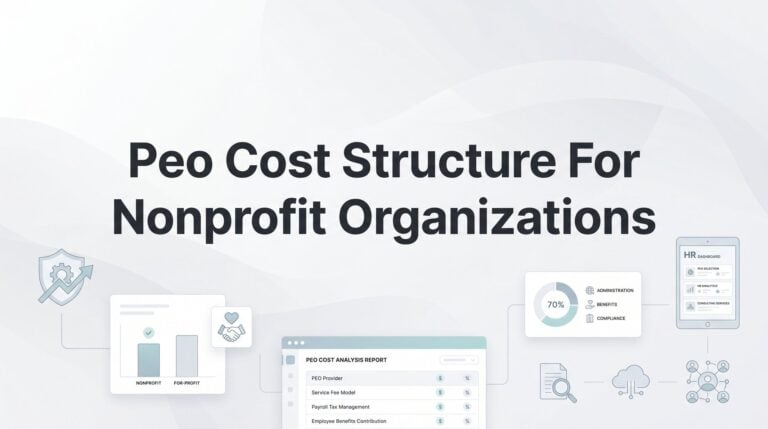
Understanding the PEO cost structure for nonprofit organizations requires looking beyond standard pricing models, since factors like grant-funded payroll, seasonal program staff, and restricted cost allocation create unique variables that drive what you’ll actually pay. This guide breaks down the specific pricing drivers nonprofits face and what to evaluate before signing a PEO agreement.
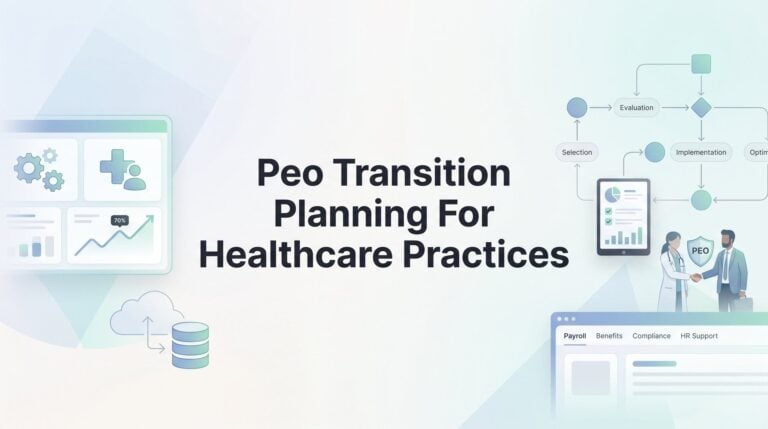
PEO transition planning for healthcare practices requires a specialized approach that accounts for credentialing timelines, malpractice tail coverage, HIPAA compliance, and uninterrupted staff payroll — risks that generic transition guides overlook. This healthcare-specific playbook walks practice managers through every critical phase of switching or adopting a PEO without jeopardizing patient care, provider credentials, or insurance panel participation.

Selecting the right Commercial Cleaning PEO for 50 Employees requires more than a generic comparison—cleaning companies face unique challenges like high turnover, elevated workers’ comp exposure, and multi-site scheduling that demand a provider with industry-specific expertise. These seven targeted strategies help mid-sized cleaning operations evaluate PEO partners based on the operational realities that directly impact costs, compliance, and workforce management.
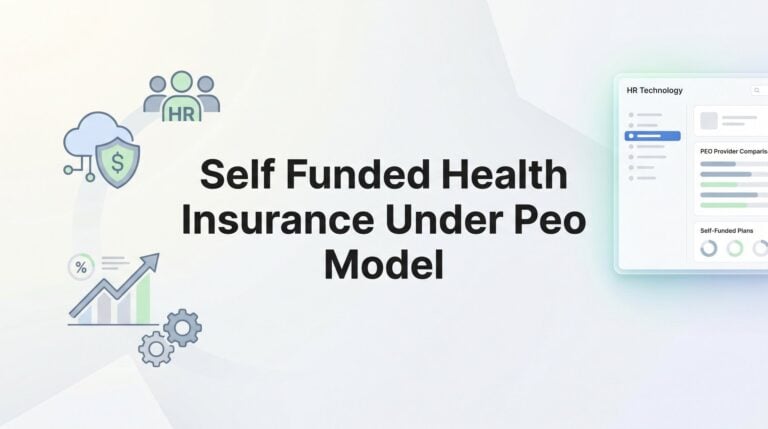
Self-funded health insurance under a PEO model is possible but structurally complex, involving tradeoffs around risk exposure, claims data transparency, and compliance within the co-employment relationship. This guide breaks down how the arrangement actually works, when it makes financial sense for employers with favorable risk profiles, and what to watch for before moving away from a PEO’s master health plan.
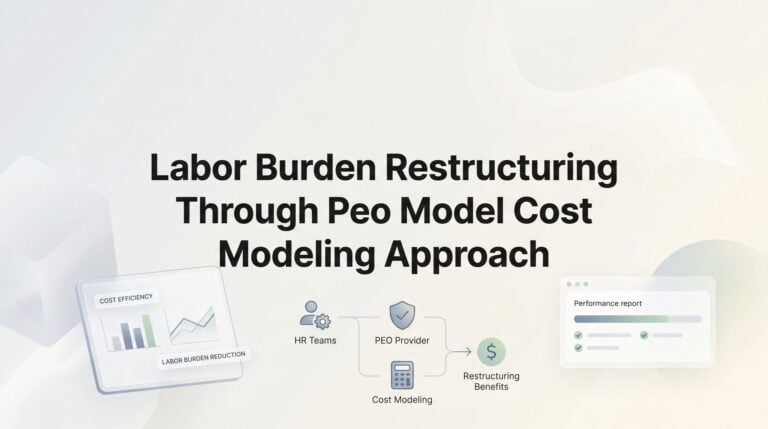
This practical guide walks business owners through building a complete labor burden cost model and applying a labor burden restructuring through PEO model cost modeling approach to accurately evaluate whether co-employment arrangements generate real savings. Rather than relying on a PEO provider’s projected numbers, readers learn a repeatable framework for inventorying every true labor cost component and comparing current spending against proposed PEO structures with confidence.

Choosing the right Commercial Cleaning PEO for 15 Employees requires navigating industry-specific challenges like high turnover, multi-site workers, chemical exposure risks, and workers’ comp complexity that generic HR providers often mishandle. This guide outlines seven targeted strategies to help small cleaning operations select a PEO that reduces compliance risk, controls costs, and is actually built to support the realities of running a commercial cleaning crew.
Understanding PEO dispute resolution provisions explained within your compliance framework is critical before signing any co-employment agreement. This guide breaks down what dispute resolution clauses actually mean for business owners, covering arbitration terms, discovery rights, venue requirements, and the specific protections your compliance framework must include to avoid costly, one-sided outcomes when billing disputes, workers’ comp mishandling, or service failures arise.
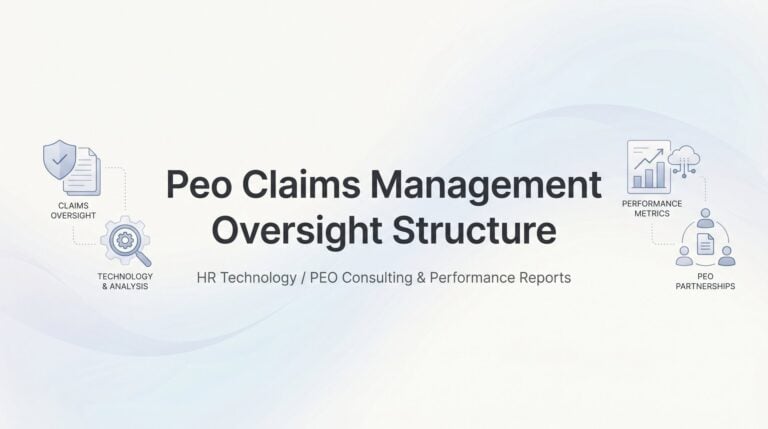
When an employee files a workers’ comp claim through a PEO arrangement, most business owners discover too late that the PEO claims management oversight structure involves multiple third-party organizations making critical decisions about reserves, medical treatment, and claim resolution without employer visibility—creating costly gaps that inflate experience mods and leave injured workers feeling unsupported.
Pest control companies with 15 employees face unique HR and compliance challenges that make choosing the right Pest Control PEO for 15 employees critical — from workers’ comp classifications for chemical technicians to seasonal staffing swings. This guide outlines seven targeted strategies to help mid-sized pest control operators evaluate PEO options without overpaying or leaving key industry-specific exposures unaddressed.
PEO transition planning for restaurant groups requires a structured approach that accounts for tipped employees, multi-location compliance, and high turnover without disrupting payroll or benefits coverage. This guide walks restaurant operators through the critical steps to switch PEO providers seamlessly, helping you avoid costly compliance gaps, missed payrolls, and lapsed workers’ comp coverage across all your locations.