Coverage of tax responsibility, workers’ comp, liability exposure, and regulatory obligations under co-employment.
Energy companies navigating OSHA safety mandates, EPA regulations, and multi-state compliance requirements need specialized support beyond standard HR services. This guide evaluates the best PEO for energy enterprise compliance risk management in 2026, focusing on providers with dedicated safety teams, industry-specific expertise, and the regulatory knowledge to help oil, gas, renewable energy, and utility companies avoid costly penalties while managing hazardous work environments and complex…
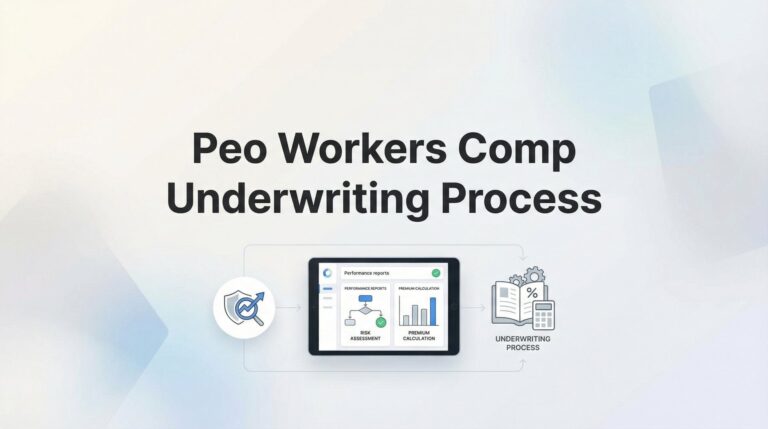
The PEO workers comp underwriting process differs from standalone policies because you’re joining a master policy with other businesses, where PEOs evaluate your risk profile against their entire portfolio. This step-by-step guide explains how to prepare documentation that addresses underwriter concerns, position your company favorably, and navigate from initial submission to final rate confirmation while avoiding common mistakes that lead to higher premiums or coverage denials.
A PEO legal risk transfer structure doesn’t create a complete liability handoff—it establishes split responsibility where certain employment risks genuinely transfer to the PEO while others, including discrimination claims, workplace safety violations, and wage-hour disputes, typically remain with the business owner. Understanding which specific risks actually shift in the co-employment model and which stay with you is critical before entering a PEO relationship.
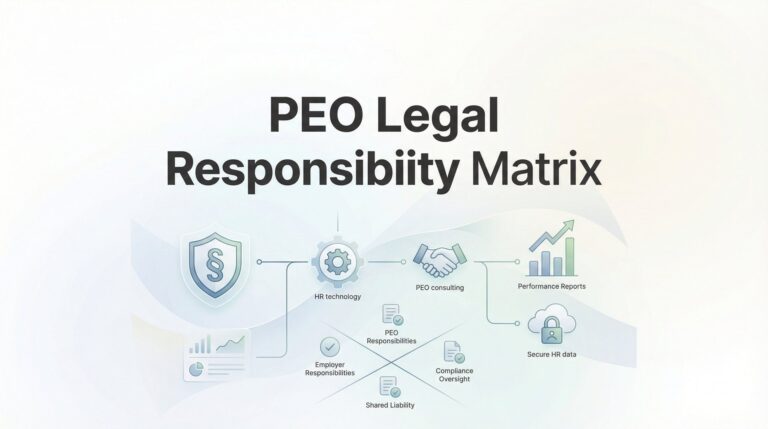
A PEO legal responsibility matrix clearly defines which party—your business, the PEO, or both—handles each employment obligation in a co-employment relationship. Without this documented framework, companies often discover dangerous responsibility gaps only after incidents occur, such as wrongful termination claims or workplace injuries where both parties assumed the other was managing critical documentation and compliance requirements.
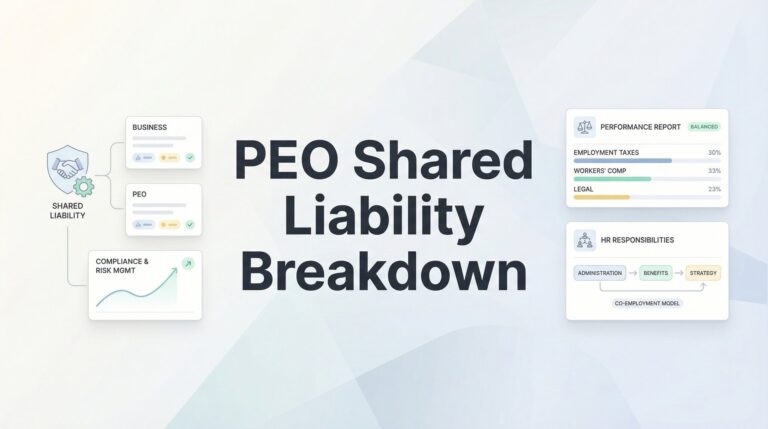
A PEO shared liability breakdown reveals that “shared liability” doesn’t mean equal protection—it’s a specific contractual division where certain employment risks transfer to the PEO while critical exposures like discrimination lawsuits and workplace safety violations remain with you as the employer. Understanding exactly which liabilities the PEO covers versus what you still own is essential to avoid dangerous gaps in protection and over-reliance on PEO agreements.
When business owners partner with PEOs for payroll and HR management, they often assume employment liability transfers completely—but real PEO employment lawsuit case studies reveal a more complex reality. Through examination of actual legal disputes, this analysis shows how co-employment structures can either protect businesses or pull them into unexpected litigation, depending on contract terms, due diligence practices, and a clear understanding of where legal responsibility actually lies w…
Before signing a PEO agreement, most businesses focus solely on per-employee pricing while overlooking critical contract terms that create expensive problems later. This peo contract risk assessment checklist identifies seven essential contract areas—including termination clauses, liability language, and vague service promises—where costly surprises typically hide, helping you spot red flags and negotiation points that protect your business when circumstances change.
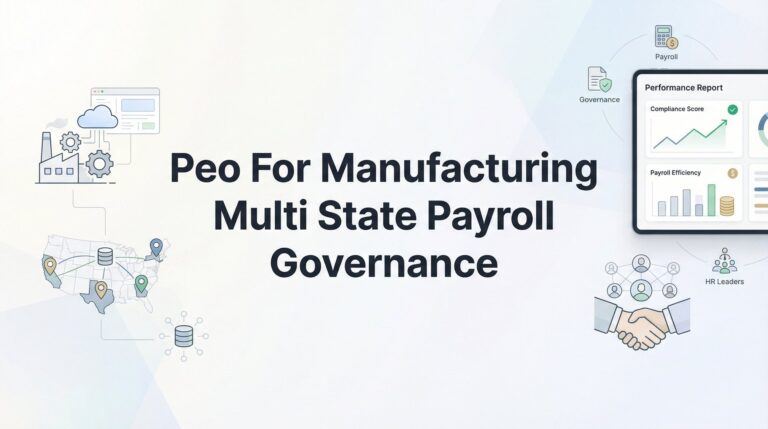
Manufacturing companies operating across multiple states face complex payroll compliance challenges, from varying overtime rules and shift differentials to state-specific labor regulations that can result in costly penalties. A PEO for manufacturing multi-state payroll governance provides specialized expertise to navigate these complexities, ensuring accurate compensation across all locations while managing the unique workforce patterns inherent to manufacturing operations like seasonal surge…
Most businesses sign PEO contracts without understanding the hidden financial traps buried in the fine print—auto-renewal clauses, vague termination penalties, and pass-through costs that escalate unexpectedly. This guide reveals seven critical peo hidden contract risks analysis points that frequently catch companies off guard, costing them thousands in unexpected fees, and shows you exactly which contract sections to scrutinize before committing to a multi-year partnership.
Logistics companies face complex, overlapping compliance challenges across DOT regulations, OSHA requirements, multi-state employment law, and driver classification that can cost hundreds of thousands in violations. A specialized PEO for logistics enterprise compliance risk management addresses industry-specific needs like driver qualification files, hours of service documentation, and fleet workers’ comp—areas where generic HR solutions consistently fall short and leave operators exposed to …
