
Distribution companies operate on razor-thin margins—typically 2-5%—while juggling high workers’ comp exposure from warehouse operations, benefits costs that climb every renewal, and seasonal headcount swings that complicate everything. A PEO can help contain these costs, but only if you choose one that actually understands distribution logistics, not just generic HR outsourcing.
We’ve evaluated PEO providers based on their track record with distribution, warehouse, and logistics operations—focusing on the cost containment levers that matter most: workers’ comp programs designed for higher-risk classifications, benefits pooling that gives you Fortune 500-level access, and administrative systems that handle seasonal workforce fluctuations without breaking your budget.
Here are the top PEO solutions for distribution companies serious about cost containment.
1. PEO Metrics
Best for: Distribution companies comparing multiple PEO providers to find the best cost-to-value fit
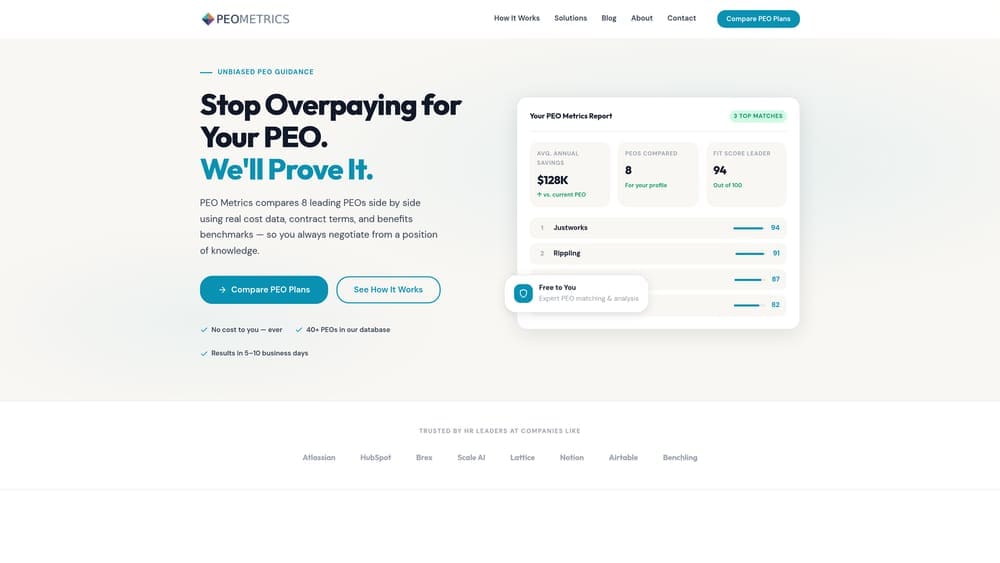
PEO Metrics is an unbiased comparison platform that helps distribution companies evaluate PEO providers side-by-side based on pricing structure, workers’ comp programs, and actual cost containment capabilities.
Where This Tool Shines
Most distribution companies sign with the first PEO that pitches them, which often means overpaying or getting locked into services that don’t match their operational reality. PEO Metrics solves this by providing transparent comparisons of what you’re actually paying for—breaking down administrative fees, workers’ comp structures, and benefits renewal patterns.
The platform is particularly valuable for distribution operations because it focuses on industry-specific cost drivers: how each PEO handles seasonal workforce scaling, their experience with DOT compliance for delivery operations, and their track record with OSHA requirements in warehouse environments.
Key Features
Side-by-Side Pricing Comparisons: See exactly what each PEO charges per employee, with no hidden administrative markups buried in the fine print.
Workers’ Comp Program Analysis: Compare guaranteed cost versus loss-sensitive programs, experience mod rate implications, and loss control service availability.
Cost Containment Feature Breakdown: Evaluate which providers offer pay-as-you-go workers’ comp, flexible service bundles, and benefits renewal transparency.
Unbiased Provider Recommendations: Get guidance based on your specific distribution model—whether you’re running regional warehouses, last-mile delivery, or third-party logistics.
Contract Terms Analysis: Understand termination clauses, auto-renewal provisions, and fee escalation structures before you sign.
Best For
Distribution companies evaluating their first PEO, businesses approaching renewal who suspect they’re overpaying, and operations expanding into new states who need multi-state compliance expertise. Especially valuable if you’re managing seasonal headcount fluctuations or have been hit with unexpected workers’ comp premium increases.
Pricing
Free comparison service. No fees, no commission-based referrals—just transparent data to help you make an informed decision.
2. Insperity
Best for: Mid-sized distribution operations prioritizing comprehensive workers’ comp and safety programs
Insperity is a full-service PEO with particularly strong workers’ compensation programs and dedicated safety consulting—critical for distribution companies dealing with warehouse and delivery risk exposure.
Where This Tool Shines
Insperity brings serious workers’ comp expertise to the table, including loss control services that can help reduce your experience modification rate over time. Their safety consultants actually visit your facilities, conduct risk assessments, and help implement programs that reduce workplace injuries—not just paperwork exercises, but practical interventions that affect your bottom line.
The Fortune 500-level benefits access is a real differentiator when you’re competing for warehouse talent. Distribution companies often struggle to offer competitive health plans because they’re bidding against larger employers—Insperity’s master policy pooling gives you access to plans you couldn’t negotiate on your own.
Key Features
Comprehensive Workers’ Comp with Loss Control: On-site safety assessments, injury prevention programs, and dedicated claims management to control costs.
Fortune 500-Level Benefits Access: Medical, dental, vision, and retirement plans typically available only to much larger employers.
Safety and Risk Management Consulting: Proactive safety program development, OSHA compliance support, and ongoing risk mitigation guidance.
Dedicated HR Support: Assigned HR business consultant who understands distribution operations, not a rotating call center.
Multi-State Compliance Expertise: Critical if you’re running regional distribution centers across state lines.
Best For
Mid-sized distribution companies (50-200 employees) with established operations who need robust workers’ comp programs and can benefit from strategic HR consulting. Particularly suited for businesses with higher workers’ comp exposure who want to actively manage their experience mod rate.
Pricing
Custom pricing based on headcount and services selected. Typically ranges from $150-$250 per employee per month. Higher than some competitors, but the workers’ comp loss control services can offset the premium through reduced claims costs.
3. ADP TotalSource
Best for: Distribution networks operating across multiple states with complex payroll requirements
ADP TotalSource is an enterprise-grade PEO solution built on ADP’s massive payroll infrastructure, offering the scalability and multi-state capabilities that regional distribution operations require.
Where This Tool Shines
If you’re running distribution centers in multiple states, ADP TotalSource handles the payroll complexity that can otherwise become an administrative nightmare. Different state tax withholdings, varying workers’ comp requirements, and local compliance nuances—all managed through a single platform.
The scalability matters when you’re dealing with seasonal workforce fluctuations. Distribution companies often need to ramp up warehouse staff during peak seasons and scale back during slower periods. ADP’s infrastructure handles these headcount swings without the administrative chaos that smaller PEOs sometimes struggle with.
Key Features
Multi-State Payroll and Compliance Expertise: Seamless management of payroll tax, workers’ comp, and employment law across state lines.
Scalable for Seasonal Workforce Fluctuations: System handles rapid onboarding and offboarding without breaking down during peak hiring periods.
Integration with Existing Business Systems: Connects with warehouse management systems, time tracking platforms, and accounting software you’re already using.
Comprehensive Benefits Portfolio: Access to national carrier networks with multiple plan options at different price points.
Technology Platform Included: Employee self-service portal, mobile app, and reporting dashboards for workforce analytics.
Best For
Distribution companies operating in multiple states, businesses with significant seasonal workforce variation, and operations that need technology integration with existing warehouse management or logistics systems. Works well for companies with 75+ employees who need enterprise-level infrastructure.
Pricing
Custom pricing based on headcount, geographic footprint, and service bundle. Generally ranges from $100-$200 per employee per month. The higher end includes more comprehensive HR consulting and benefits options.
4. Paychex PEO
Best for: Small to mid-sized distribution companies seeking flexible workers’ comp options
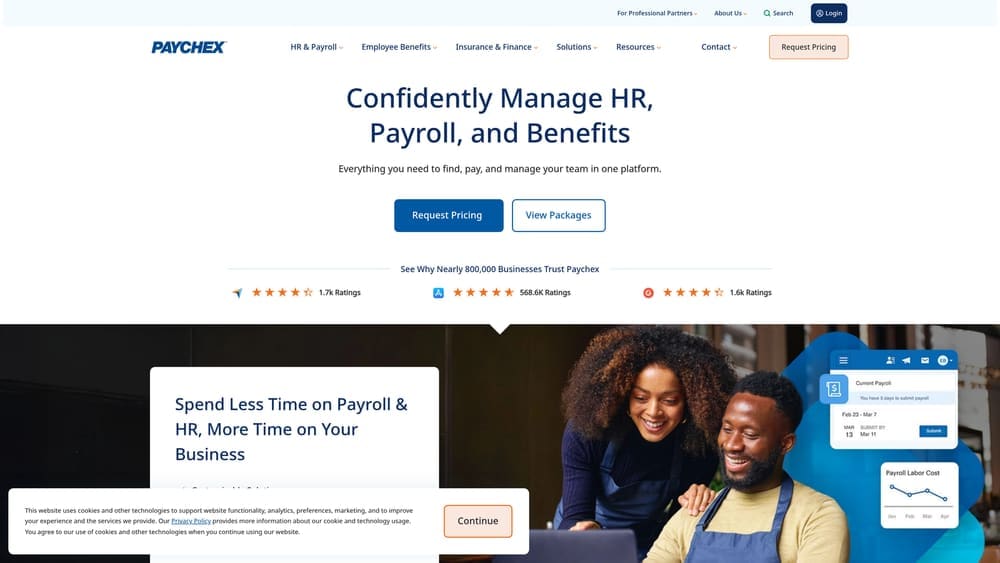
Paychex PEO offers a flexible PEO solution with particularly competitive workers’ comp rates and pay-as-you-go options that align costs with actual payroll—valuable for distribution companies managing cash flow.
Where This Tool Shines
The pay-as-you-go workers’ comp structure is a real advantage for distribution operations. Instead of paying large upfront premiums based on estimated payroll, you pay workers’ comp as a percentage of actual payroll each pay period. This keeps cash flow manageable and eliminates the year-end reconciliation headaches that come with traditional workers’ comp policies.
Paychex also offers flexible service bundles, so you’re not forced into an all-or-nothing arrangement. If you need workers’ comp and payroll but want to handle benefits in-house, they’ll work with you. This flexibility matters when you’re trying to contain costs without sacrificing essential services.
Key Features
Pay-as-You-Go Workers’ Comp Options: Workers’ comp premiums calculated and paid with each payroll, eliminating large upfront deposits and year-end audits.
Flexible Service Bundles: Choose the services you actually need rather than being forced into comprehensive packages.
Strong Payroll Infrastructure: Built on Paychex’s core payroll platform, which has been processing payroll for decades.
HR Technology Platform Included: Employee self-service, time and attendance tracking, and reporting tools.
Multi-State Capabilities: Handles payroll and compliance across state lines, though not quite as robust as ADP for very complex multi-state operations.
Best For
Small to mid-sized distribution companies (20-100 employees) who want workers’ comp cost predictability, businesses with tight cash flow who benefit from pay-as-you-go structures, and operations that prefer flexibility over comprehensive bundled services.
Pricing
Custom pricing based on selected services and headcount. Typically ranges from $100-$180 per employee per month. The pay-as-you-go workers’ comp is included in the per-employee fee, making budgeting more predictable.
5. TriNet
Best for: Distribution companies prioritizing employee retention through premium benefits
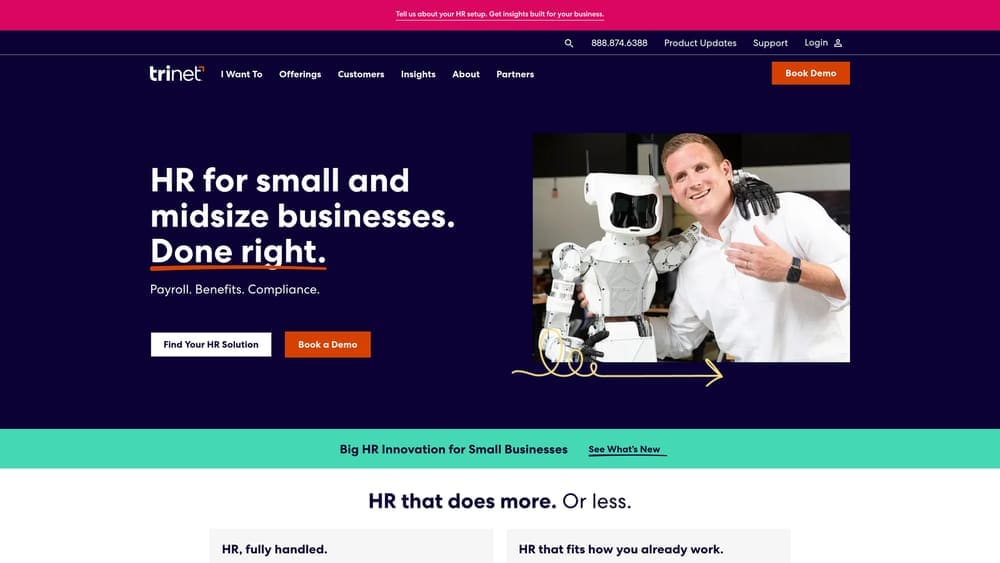
TriNet is a PEO with industry-vertical expertise and premium benefits offerings, positioning itself as a strategic HR partner rather than just a transactional service provider.
Where This Tool Shines
TriNet’s industry-vertical approach means they’ve built specific expertise in distribution and logistics. They understand the workforce challenges you’re facing—competing for warehouse talent, managing driver retention, dealing with high turnover in entry-level positions. Their benefits packages are designed to address these retention challenges.
The premium benefits access can be a real differentiator when you’re trying to reduce turnover costs. Distribution companies often face 30-50% annual turnover in warehouse positions, which creates constant recruiting and training expenses. Better benefits can reduce that churn, and TriNet’s master policy access gives you options that smaller distribution companies couldn’t negotiate independently.
Key Features
Industry-Vertical Expertise: Dedicated teams with distribution and logistics experience, not generic HR generalists.
Premium Benefits Packages: Access to top-tier health plans, voluntary benefits, and retirement options that help with talent retention.
Risk Mitigation and Compliance Support: Proactive compliance monitoring, especially valuable for DOT requirements and OSHA warehouse regulations.
Strategic HR Consulting: HR business partners who help with workforce planning, not just reactive problem-solving.
Technology Platform: User-friendly employee portal and mobile app for benefits enrollment and HR requests.
Best For
Distribution companies struggling with warehouse turnover who see retention as a strategic priority, businesses competing for skilled forklift operators and experienced warehouse managers, and operations willing to invest more in benefits to reduce long-term recruiting and training costs.
Pricing
Custom pricing based on headcount and benefits selections. Generally ranges from $150-$250 per employee per month. Higher than budget options, but positioned as an investment in workforce stability rather than a commodity service.
6. Justworks
Best for: Smaller distribution operations seeking transparent pricing and simplicity
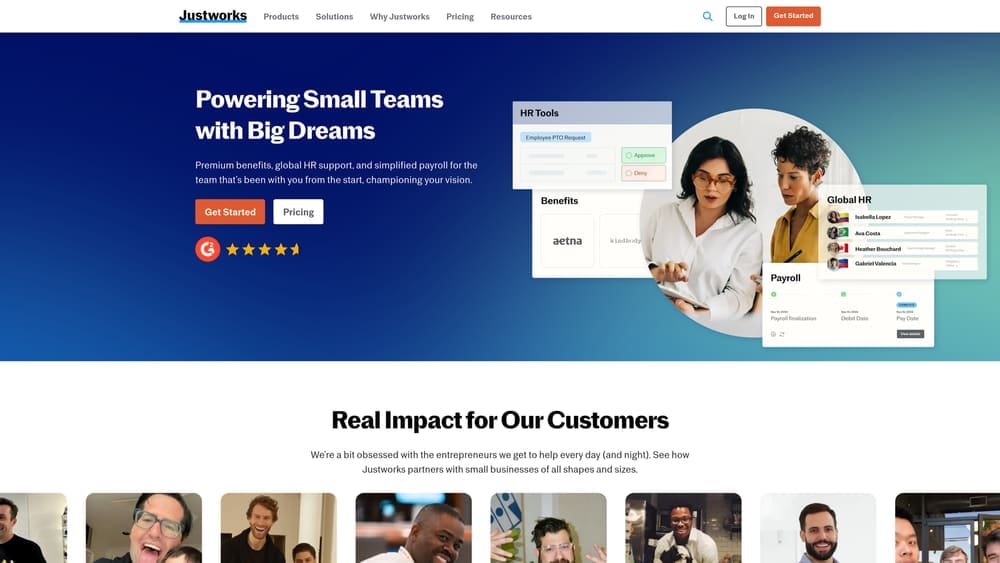
Justworks is a modern PEO platform with flat per-employee pricing and no hidden fees—a refreshing approach for distribution companies tired of complex PEO pricing structures.
Where This Tool Shines
The pricing transparency is the main draw. You pay a flat monthly fee per employee, and that’s it. No percentage-of-payroll markups, no administrative fees that mysteriously increase each year, no surprise charges for services you thought were included. For smaller distribution operations trying to budget predictably, this simplicity matters.
The platform itself is straightforward and user-friendly. If you’re not looking for extensive HR consulting and just need solid benefits access, workers’ comp coverage, and payroll processing, Justworks delivers without unnecessary complexity. The 24/7 support is genuinely helpful when you’re dealing with payroll questions during off-hours.
Key Features
Flat Per-Employee Pricing: No hidden fees, no percentage-of-payroll calculations, no surprise invoices.
User-Friendly Platform: Clean interface that doesn’t require extensive training to navigate.
Straightforward Benefits Enrollment: Simplified benefits selection process for employees, reducing administrative burden during onboarding.
24/7 Support: Access to support team outside standard business hours, useful for distribution operations running multiple shifts.
Compliance Basics Covered: Handles essential payroll tax, workers’ comp, and employment law requirements without over-complicating things.
Best For
Smaller distribution companies (10-50 employees) who value pricing transparency and simplicity, businesses that don’t need extensive HR consulting, and operations where the owner or office manager is comfortable handling basic HR decisions with occasional support rather than full-service consulting.
Pricing
Basic plan starts at $59 per employee per month. Plus plan at $99 per employee per month, which includes additional compliance tools and premium support. Transparent pricing with no hidden fees or percentage-of-payroll markups.
7. Amplify PEO
Best for: Distribution operations with higher workers’ comp exposure seeking specialized risk management
Amplify PEO specializes in industries with higher workers’ comp exposure, including distribution and logistics operations, with a specific focus on experience modification rate improvement.
Where This Tool Shines
Amplify focuses on loss-sensitive industries where workers’ comp costs can make or break profitability. They understand that distribution companies face higher risk classifications because of warehouse operations, loading dock activities, and delivery functions. Their entire approach is built around managing and reducing that exposure.
The experience mod rate improvement focus is particularly valuable if you’ve been hit with rate increases after claims. Amplify works proactively to implement safety programs, manage claims effectively, and position your business for better mod rates at renewal. They also offer pay-as-you-go workers’ comp, which helps with cash flow while you’re working to improve your risk profile.
Key Features
Expertise in Loss-Sensitive Industries: Deep experience with distribution, warehousing, and logistics operations where workers’ comp is a major cost driver.
Workers’ Comp Program Optimization: Proactive claims management, safety program implementation, and ongoing risk assessment.
Experience Mod Rate Improvement Focus: Strategies to reduce your mod rate over time through better claims management and loss control.
Pay-as-You-Go Workers’ Comp: Premiums aligned with actual payroll, eliminating large upfront deposits.
Dedicated Risk Management Support: Ongoing consultation on reducing workplace injuries and managing claims when they do occur.
Best For
Distribution companies with challenging workers’ comp histories, operations that have experienced significant rate increases, and businesses where workers’ comp represents a substantial portion of total labor costs. Particularly suited for companies committed to improving their safety programs and willing to invest in loss control.
Pricing
Custom pricing based on risk profile, headcount, and workers’ comp exposure. Because they specialize in higher-risk industries, pricing reflects the complexity of managing that risk effectively. Expect detailed underwriting and risk assessment before receiving a quote.
Making the Right Choice for Your Distribution Operation
The right PEO for your distribution company depends on your specific cost containment priorities and operational complexity.
If you’re evaluating multiple providers and want transparent comparisons before making a decision, start with PEO Metrics to see exactly what you’re paying for across different options. The side-by-side analysis helps you avoid overpaying and ensures you’re matching services to your actual needs.
For mid-sized operations where workers’ comp is a major cost driver, Insperity’s loss control services and safety consulting can deliver real ROI through reduced claims. If you’re running distribution centers across multiple states, ADP TotalSource’s multi-state infrastructure handles the complexity without breaking down during seasonal hiring surges.
Smaller distribution companies often find better value with Paychex PEO’s pay-as-you-go workers’ comp or Justworks’ transparent flat pricing—both eliminate the hidden fees and complex pricing structures that larger PEOs sometimes bury in the fine print.
If employee retention is draining your budget through constant recruiting and training costs, TriNet’s premium benefits access can reduce turnover in warehouse positions. And if you’re dealing with a challenging workers’ comp history, Amplify PEO’s specialized focus on experience mod rate improvement addresses the root problem rather than just managing symptoms.
The key is understanding which cost containment levers matter most for your operation. Workers’ comp program structure, benefits renewal patterns, administrative efficiency during seasonal fluctuations, and contract flexibility all affect your total cost of ownership—not just the per-employee monthly fee.
Before you sign that PEO renewal, make sure you’re not leaving money on the table. Many businesses unknowingly overpay because of bundled fees, hidden administrative markups, and contracts designed to limit flexibility. We give you a clear, side-by-side breakdown of pricing, services, and contract terms—so you can see exactly what you’re paying for and choose the option that truly fits your business.
