Deep dives into payroll, benefits administration, HR support, onboarding, and operational shifts inside a PEO arrangement.
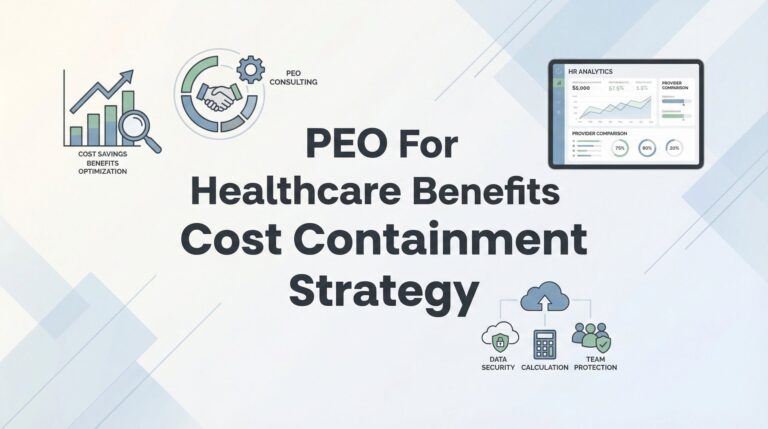
Healthcare benefits costs continue rising, but a PEO for healthcare benefits cost containment strategy offers small and mid-sized businesses access to enterprise-level advantages without cutting employee benefits. This guide examines seven proven approaches—from master health plan pooling to alternative funding arrangements—that PEOs use to reduce healthcare expenses while maintaining competitive coverage, including realistic savings expectations and implementation tradeoffs for each stra…
A PEO integration governance framework prevents co-employment failures by clearly defining internal ownership, decision points, and accountability across HR, finance, and PEO handoffs. Most PEO relationships break down not from poor service delivery, but from governance gaps where teams assume others are handling critical tasks like payroll corrections, benefits updates, or termination approvals—leaving employees caught between three parties with no clear answers.
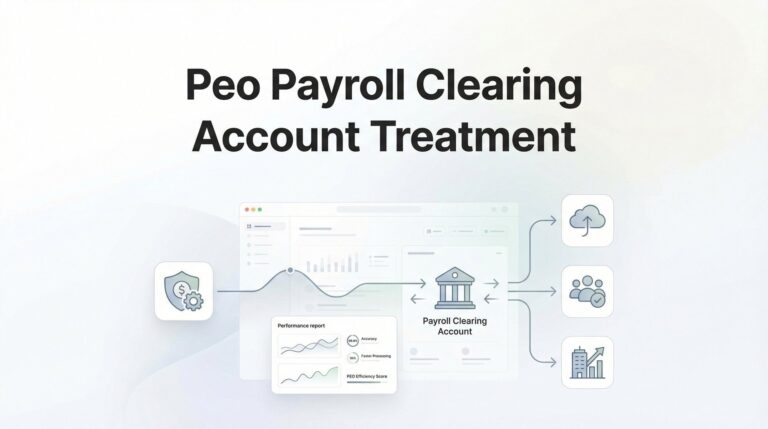
When you switch to a PEO, you’ll notice large payroll sums leaving your account days before employees are paid—that’s the PEO payroll clearing account treatment at work. This clearing account mechanism affects your cash flow timing, creates tax liability considerations, and changes how you reconcile monthly books, making it essential for business owners to understand how PEOs handle funds during the gap between withdrawal and employee payment.
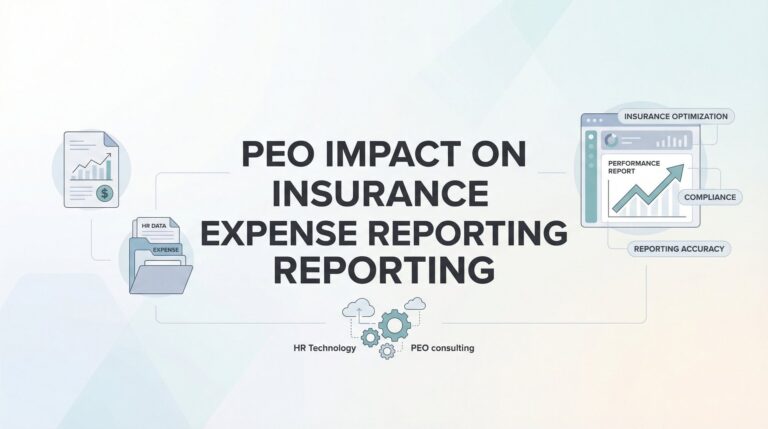
When you partner with a PEO, your insurance expenses don’t disappear—they relocate on your financial statements. The PEO impact on insurance expense reporting means health, dental, vision, and workers’ comp costs that once appeared as separate line items now get bundled into a single “Professional Services” expense. This happens because the PEO becomes the employer of record for insurance purposes, holding policies and billing you through their service fee rather than as direct insurance prem…
Integrating a PEO with your existing HR software stack is rarely plug-and-play, despite what sales teams promise. This guide covers the practical steps for connecting your PEO to current HR tools—from auditing your systems and negotiating integration support to building workarounds when native connections don’t exist—so you can maintain the recruiting platforms, performance management systems, and time-tracking software your team already relies on.

Your PEO employment agreement alignment determines whether your contract matches your actual business operations—who makes decisions, how employees are classified, and where liability sits. Most companies sign their agreement once and never revisit it, creating costly gaps between what’s written and what’s happening, which leads to compliance exposure, wasted spending on unused services, and unexpected liability during claims.
PEO accounting treatment explained requires breaking down bundled invoices into distinct expense categories rather than recording a single lump sum. The co-employment structure changes how payroll flows through your books—you’re no longer directly paying taxes or benefits, but proper categorization of wages, payroll taxes, benefits, and administrative fees is essential for accurate financial statements, tax compliance, and audit readiness.
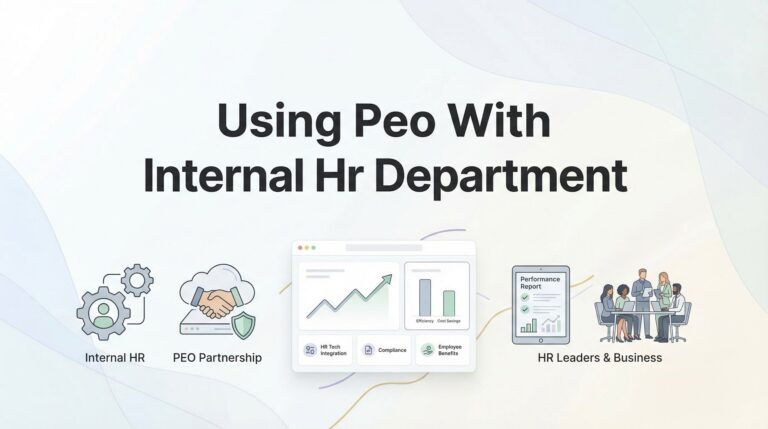
Many companies successfully use a hybrid model when using a PEO with an internal HR department, where the PEO manages compliance-heavy tasks like payroll, benefits, and workers’ comp while internal HR focuses on strategic priorities like culture, talent development, and workforce planning. This guide provides a practical framework for structuring responsibilities, managing handoffs, and coordinating between your PEO and internal team to prevent gaps and overlap.
When disputes arise with your PEO over billing errors, benefits administration, or service levels, knowing the proper resolution process can save thousands of dollars and months of delays. This practical guide walks business owners through documenting issues, escalating effectively, and understanding when standard resolution channels aren’t working—helping you resolve PEO conflicts efficiently rather than letting them drag on while problems compound.
When employee claims get stuck in your PEO’s system, the co-employment structure creates multiple accountability layers that complicate resolution. This guide walks you through the specific PEO employee claim escalation process—from documenting issues and identifying the right contacts to leveraging contractual obligations and knowing when to involve regulatory authorities, ensuring your employees get timely answers without damaging your PEO relationship.
