
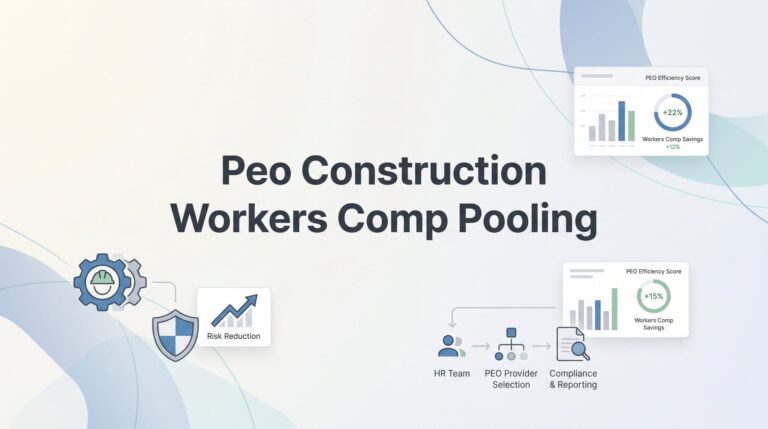
PEO construction workers comp pooling can reduce premium volatility by spreading risk across larger groups, but the actual savings depend on pool structure, class code segmentation, and how your mod rate history is handled when you exit. This breakdown explains how construction-specific risk pools actually work so you can evaluate whether pooling genuinely lowers your costs or simply shifts financial exposure down the road.
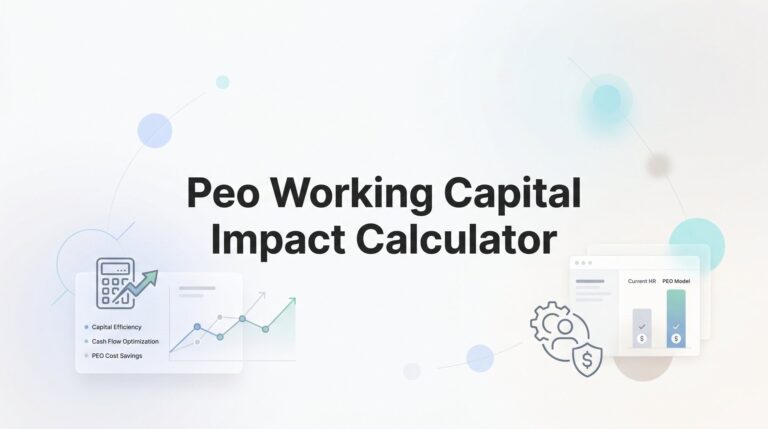
Using a PEO working capital impact calculator helps business owners move beyond comparing admin fees to understand how PEO arrangements actually affect cash flow timing—including payroll funding shifts, insurance deposits, and tax remittance schedules. This practical walkthrough guides you through building your own spreadsheet-based analysis to identify where cash gets freed up or locked down, giving you a clearer picture of the true financial impact on your business.
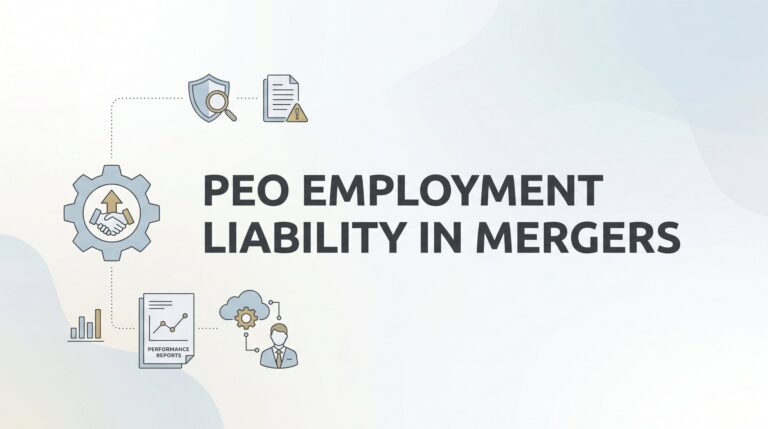
Understanding PEO employment liability in mergers is critical for both buyers and sellers, as the co-employment model creates layered contractual obligations that standard due diligence often overlooks. This guide breaks down how liability is split between PEOs and client companies, what deal teams must investigate during diligence, and how to prevent PEO-related exposure from becoming costly deal friction or post-close surprises.
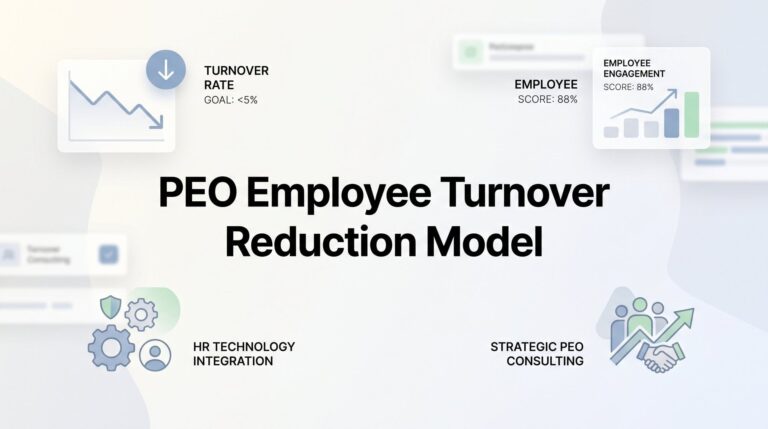
A PEO employee turnover reduction model helps business owners measure whether their Professional Employer Organization is actually reducing employee turnover or just adding costs. This practical framework shows you how to establish retention baselines, identify which PEO services impact turnover, build a tracking system, and use quarterly data to improve retention outcomes and negotiate better service terms with your PEO provider.
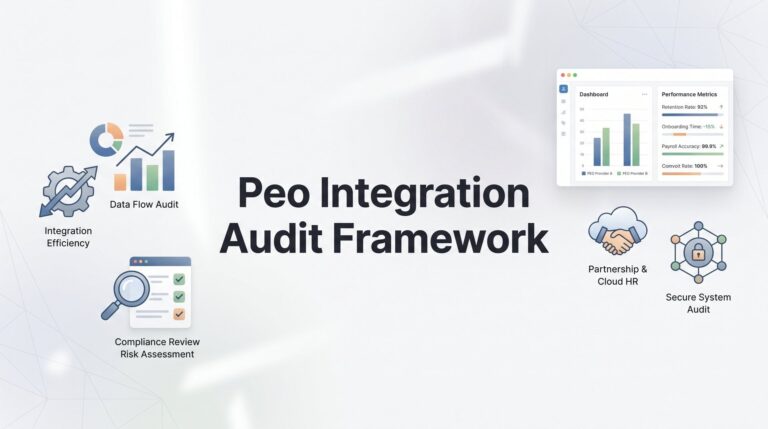
A PEO integration audit framework helps business owners identify and fix costly disconnects between their PEO system and critical business tools like accounting software, time tracking, and HR platforms. When payroll data doesn’t sync properly or requires manual workarounds, your team wastes hours compensating for broken connections that should work automatically—this systematic audit reveals exactly where those integration gaps exist and what they’re costing your organization.
A PEO workers comp stop loss structure protects your business by capping exposure to catastrophic workers compensation claims, transferring costs above a specific threshold to the insurance carrier or PEO’s master policy. This often-overlooked financial ceiling prevents a single severe workplace injury—like one costing $340,000—from devastating your bottom line, making it one of the most valuable risk management tools in your PEO relationship.

A PEO hybrid accountability scorecard eliminates confusion in split HR arrangements by clearly mapping each shared function—from payroll taxes to workers’ comp—to specific owners, measurable outcomes, and review schedules. This guide provides a step-by-step framework for building a customized scorecard that fits your unique PEO setup, ensuring you always know who’s responsible when issues arise and transforming your hybrid model from a source of finger-pointing into a smoothly functioning sys…
A PEO for buy and build strategy solves the operational chaos that serial acquirers face when each new company brings incompatible HR systems, fragmented benefits, and compliance gaps. Instead of managing multiple payroll providers and benefits carriers across acquisitions, a PEO provides standardized infrastructure that lets you integrate workforces quickly without derailing your deal pipeline or overwhelming your HR team with administrative complexity.
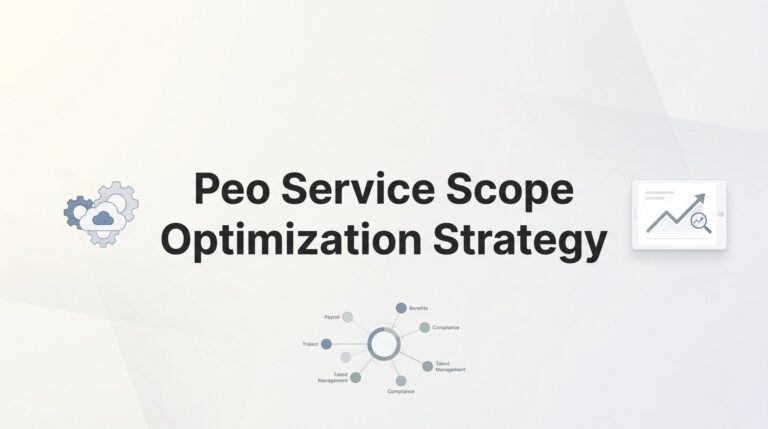
Most businesses overpay for PEO services they don’t use while leaving critical gaps unaddressed. This practical guide provides a systematic peo service scope optimization strategy to audit your current arrangement, eliminate waste, close coverage gaps, and restructure your PEO relationship to match your actual operational needs—whether you’re mid-contract or approaching renewal.
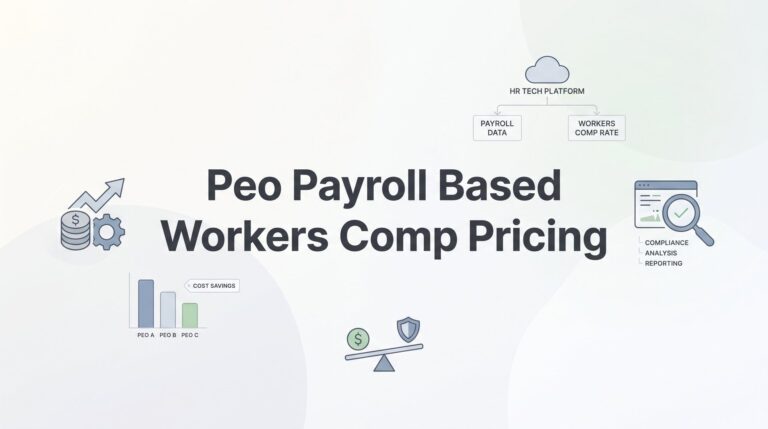
PEO payroll-based workers comp pricing ties your monthly premium directly to your actual payroll, fluctuating each billing cycle based on employee wages and assigned class codes. While marketed as flexible and convenient, this model often lacks transparency—making it difficult for business owners to verify whether they’re paying competitive rates or absorbing hidden fees and subsidizing other companies’ claims within the PEO’s risk pool.
Understanding how a PEO’s master policy affects your experience modification rate is crucial before making the switch. This guide provides a step-by-step approach to calculating potential experience mod reductions using a PEO experience mod reduction calculator methodology, helping you evaluate whether projected workers’ comp savings justify joining a PEO partnership based on your actual mod data and straightforward calculations rather than sales projections.
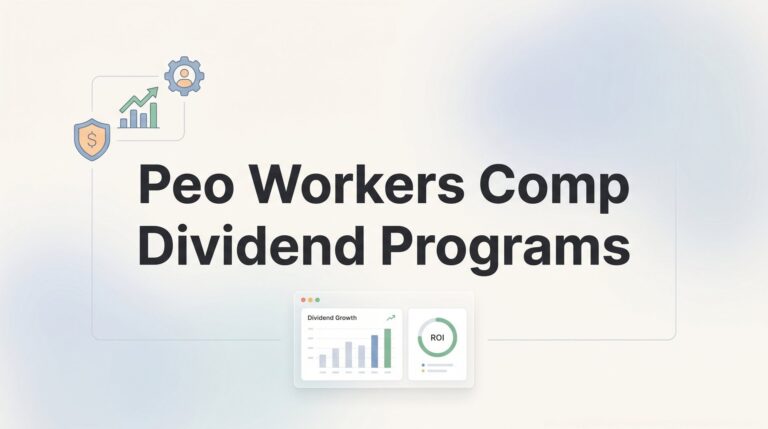
PEO workers comp dividend programs promise refunds based on low claims, but most business owners don’t realize these dividends are typically pooled across hundreds of companies—not tied to your individual safety record. While these programs can provide value, the 12% average returns sales reps tout depend on factors outside your control, and understanding the actual mechanics behind when and why you receive a dividend is crucial before signing up.