
Joining a PEO doesn’t automatically reduce workers’ comp costs—you need to actively integrate your existing safety practices with their program. This practical guide shows you how to audit your current compliance processes, build reporting bridges between systems, and create feedback loops that actually lower incident rates and premiums, turning your PEO’s unused safety resources into measurable cost savings through proper PEO workers comp safety compliance integration.
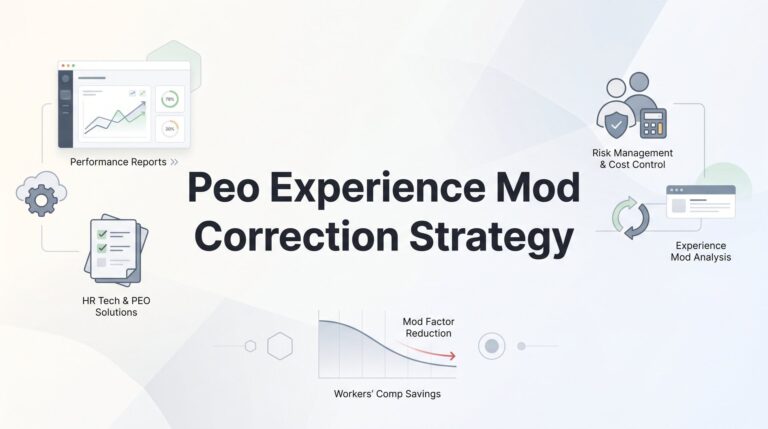
If your experience mod spiked after using a PEO, calculation errors may be costing you thousands in unnecessary workers’ comp premiums. This peo experience mod correction strategy walks you through identifying common attribution mistakes—like misreported claims, incorrect payroll figures, and missing subrogation credits—that frequently occur when claims are bundled under a PEO’s master policy, then provides a practical framework for disputing errors and reclaiming accurate mod ratings.
High-hazard industries like construction, manufacturing, and oil and gas face unique challenges securing PEO coverage, with most providers either declining coverage or offering unsustainable rates. This guide provides a strategic framework for positioning your high-risk company to secure appropriate PEO coverage by addressing experience mods, class codes, safety documentation, and targeting providers whose underwriting appetite aligns with your operational reality.
When you outsource workers’ comp through a PEO, your eligibility for dividends isn’t automatic—it depends on the master policy structure, your PEO’s participation in dividend programs, and whether they share those returns with clients. Most business owners don’t realize their strong safety record may be generating rebates they’ll never see, making PEO workers’ comp dividend eligibility analysis essential before signing or renewing any arrangement.
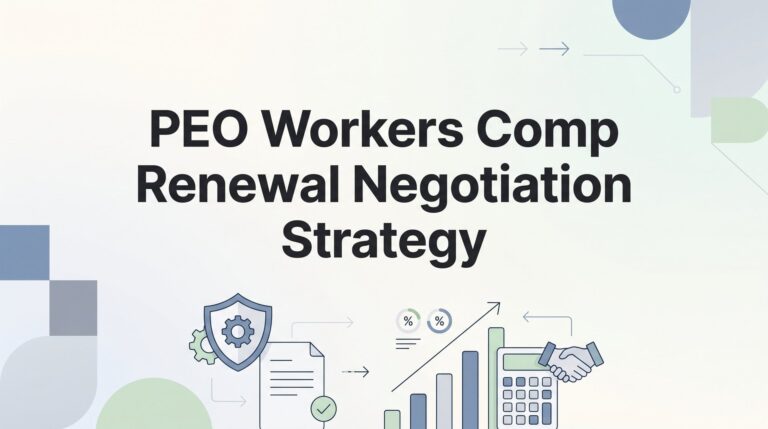
When your PEO workers’ comp renewal arrives with an unexpected rate increase, you have more negotiating power than you might think. This practical guide shows you how to leverage your loss history data, understand what’s really driving your pricing, and have an informed conversation with your PEO to potentially reduce your renewal costs—without resorting to aggressive tactics or immediately switching providers.
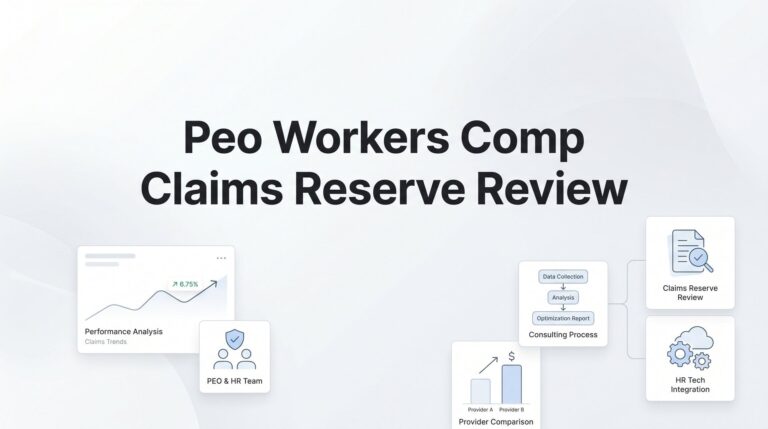
Workers’ comp claims reserves held by your PEO directly impact your experience mod, renewal pricing, and potential exit costs, yet most business owners never review them until facing unexpected rate increases. This practical guide shows you how to conduct a PEO workers comp claims reserve review without actuarial expertise—teaching you which questions to ask, how to spot reserve problems early, and what benchmarks indicate proper reserve adequacy for better cost control and informed PEO negot…
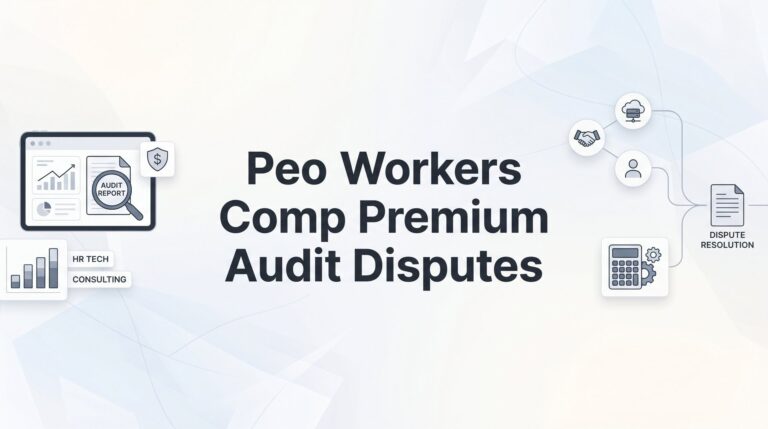
If your PEO workers comp premium audit results show unexpected charges, reclassified employees, or inflated payroll figures, you have the right to dispute them. This practical guide explains the specific process for challenging PEO workers comp premium audit disputes, including documentation requirements, critical timelines, leverage points when dealing with your PEO, and when to escalate beyond your provider to resolve discrepancies and potentially reduce your additional premium charges.
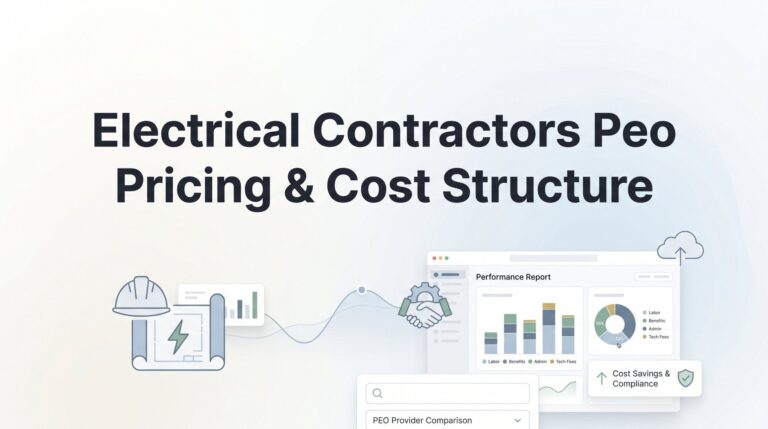
Electrical contractors typically face higher PEO costs than most industries due to elevated workers’ compensation risks from electrocution, falls, and arc flash hazards, combined with multi-state licensing complexity and prevailing wage requirements. Understanding the Electrical Contractors PEO Pricing & Cost Structure before signing helps avoid unexpected rate increases from workers’ comp adjustments, payroll fluctuations, and claims experience that often surface months into the contract whe…
Electrical contractors facing skyrocketing workers compensation premiums—often their largest insurance expense—are increasingly exploring PEO workers compensation programs that promise significant cost reductions. This guide examines whether an Electrical Contractors PEO Workers Compensation Program actually delivers savings for your specific situation, or simply restructures costs while bundling unnecessary services, helping you make an informed decision about this critical business expe…
Electrical contractors face complex compliance challenges including state-specific licensing ratios, OSHA electrical safety standards, and varying workers’ comp classifications. While Electrical Contractors PEO Compliance Support can streamline payroll tax, workers’ comp administration, and safety documentation, the co-employment model requires careful evaluation to ensure it addresses jurisdiction-specific technical requirements rather than adding complexity to your already demanding regulat…
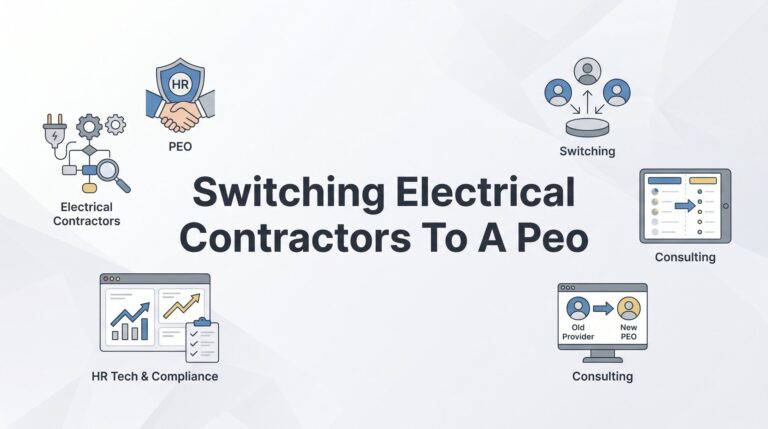
Electrical contractors considering switching to a PEO need a specialized transition plan that addresses workers’ comp experience mods, apprenticeship programs, and prevailing wage compliance—challenges that generic PEO guides overlook. This practical guide provides electrical contractors with step-by-step instructions for transitioning to a PEO without coverage gaps or payroll disruptions, including critical timing considerations, required documentation, and how to verify your PEO can handle …
Most electrical contractors sign PEO contracts without understanding the critical terms that affect their business—from workers’ comp exposure that can swing 40% based on a single claim to prevailing wage compliance across multiple states. This guide identifies the specific electrical contractors PEO contract terms you must negotiate before signing, helping you avoid costly mid-contract issues that can impact your staffing, compliance, and bottom line when standard agreements fail to address …