
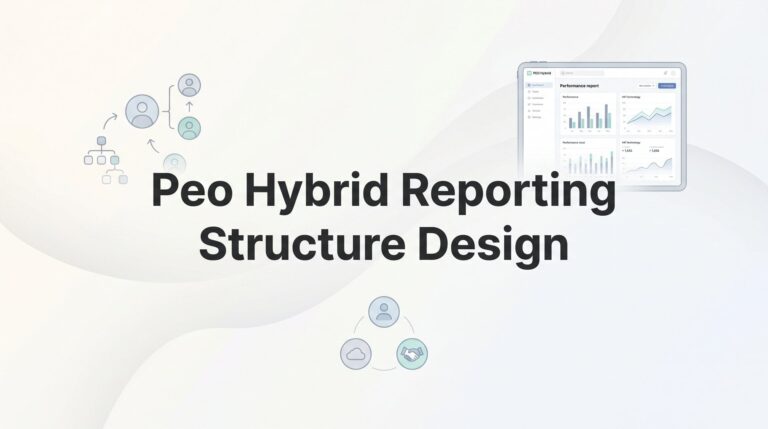
Partnering with a PEO creates a dual reporting challenge where employees work for you operationally but are managed administratively by the PEO. This guide shows you how to design a clear PEO hybrid reporting structure that separates operational management from administrative functions, preventing confusion over approvals, time-off requests, and benefits questions while ensuring both your team and the PEO know exactly who handles what.
Most online PEO savings calculators are marketing tools that inflate benefits rather than provide realistic assessments. Building your own PEO savings calculator template gives you control over cost assumptions, helps you evaluate multiple quotes objectively, and creates a reusable tool for presenting accurate financial projections to leadership. This approach focuses on understanding the real conditions under which a PEO makes financial sense for your specific business, without relying on ve…
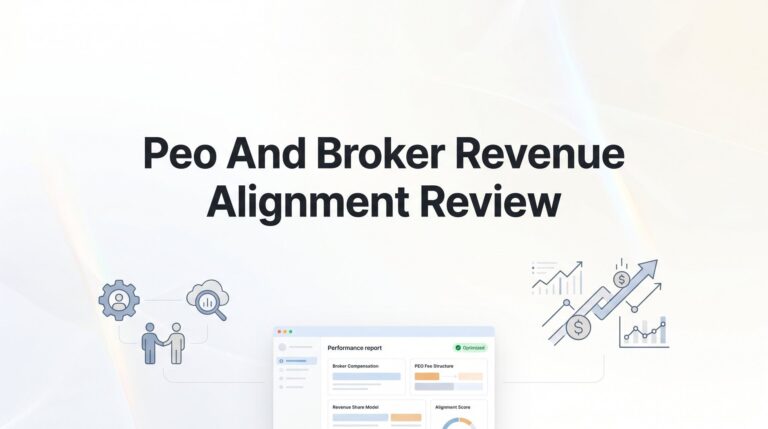
A PEO and broker revenue alignment review helps business owners understand the hidden commission structures between their PEO provider and broker to identify potential conflicts of interest and cost inefficiencies. This structured audit process reveals who’s getting paid what from your HR outsourcing arrangement, enabling you to negotiate better terms, eliminate misaligned incentives, and ensure you’re receiving value proportional to what you’re actually spending.
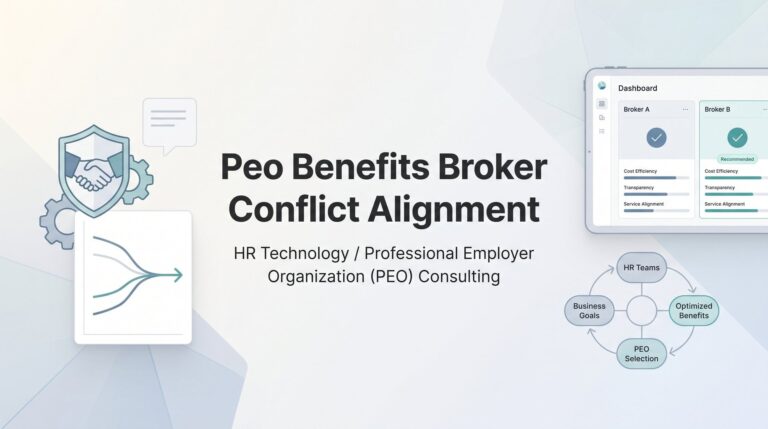
Bringing a PEO into your business often creates tension with your existing benefits broker, who may lose commissions when employees move to the PEO’s master health plan. This conflict can lead to undermined relationships, duplicated costs, and service gaps if not addressed upfront. By proactively evaluating potential PEO benefits broker conflict alignment issues and having transparent conversations early, you can structure an arrangement that protects your interests while managing both relati…
A PEO hybrid onboarding process splits HR responsibilities between your internal team and your PEO partner, requiring careful coordination to create a seamless experience for new hires. This guide shows you how to design clear handoffs, align timing between internal culture training and PEO-managed compliance tasks, and eliminate the confusion that happens when employees receive conflicting instructions from multiple sources during their first days.
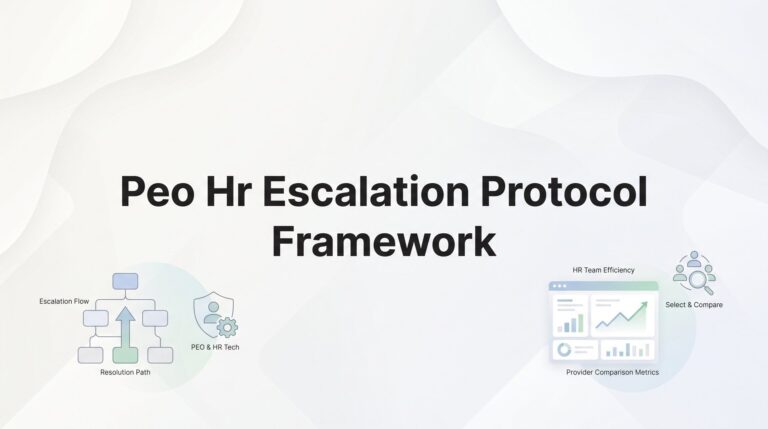
Most businesses discover during their first PEO crisis that they have no clear escalation path beyond an unreachable account rep, leaving urgent payroll and compliance issues unresolved for days. A structured PEO HR escalation protocol framework establishes predefined contacts, authority levels, and response timelines before emergencies happen, ensuring you know exactly who to contact when your co-employment partner fails to deliver on critical HR functions that directly impact employee paych…
Navigating PEO workers comp claim litigation handling requires understanding the co-employment relationship and knowing who leads when a claim escalates to court. This practical guide clarifies your role versus your PEO’s responsibilities, explains how to coordinate with their legal team while protecting your business interests, and provides step-by-step guidance from initial dispute through final resolution to help you manage litigated claims without costly surprises.
Workers comp class codes are a critical but often overlooked cost driver in PEO arrangements—misclassifications can lead to thousands in annual overpayments. This practical guide provides a step-by-step framework for auditing your current class code assignments, challenging errors with your PEO, properly categorizing employees who work across multiple risk categories, and establishing ongoing processes for accurate peo workers comp class code management as your workforce changes.
Learn how to track and interpret workers’ comp claims data within your PEO arrangement to determine if you’re benefiting from pooled risk or subsidizing other companies. This practical guide shows business owners how to perform PEO workers’ comp loss trend analysis using quarterly reports, identify cost drivers, and use that insight to negotiate better renewal pricing—no actuarial expertise needed.
Managing workers’ comp certificates through a PEO requires navigating a new request process that differs from traditional broker relationships. While PEOs can issue certificates under their master policy, businesses often face challenges with varying turnaround times, certificate holder confusion about co-employment arrangements, and complications from additional insured requirements—turning what should be routine administrative work into a potential bottleneck that can delay job sites and cl…
Before signing with a PEO, verify their workers comp carrier’s financial stability to avoid delayed claims, coverage gaps, or mid-year scrambles for new insurance. This guide shows you how to conduct a PEO workers comp carrier financial strength review in 30 minutes—where to find ratings, what letter grades mean, and which red flags demand closer scrutiny before you commit.
Most business owners assume their PEO handles workers’ comp claims management, but PEOs provide the policy infrastructure while you control the actual cost drivers. A single severe claim impacts your premiums for three years through your experience modification rate, yet most companies never use the safety programs, return-to-work protocols, and claims management tools their PEO already offers. Businesses that actively partner with their PEO on workers’ comp claims cost containment typically …