
Painting contractors face unique PEO pricing challenges due to elevated workers’ comp risk classifications, seasonal workforce fluctuations, and specialized safety requirements like lead paint protocols and height work. Understanding the specific cost drivers in Painting Contractors PEO Pricing & Cost Structure—from classification codes to seasonal headcount changes—helps you evaluate whether quotes reflect your actual operational risks or if providers are overcharging due to industry inexper…
A Painting Contractors PEO Workers Compensation Program can help painting businesses manage high insurance costs driven by fall risks, chemical exposure, and crew turnover through group rates and shared claims management. This guide explains how PEO workers comp programs actually work for painting contractors, including real cost tradeoffs and whether joining a master policy genuinely reduces premiums or simply redistributes expenses without addressing underlying risk factors.
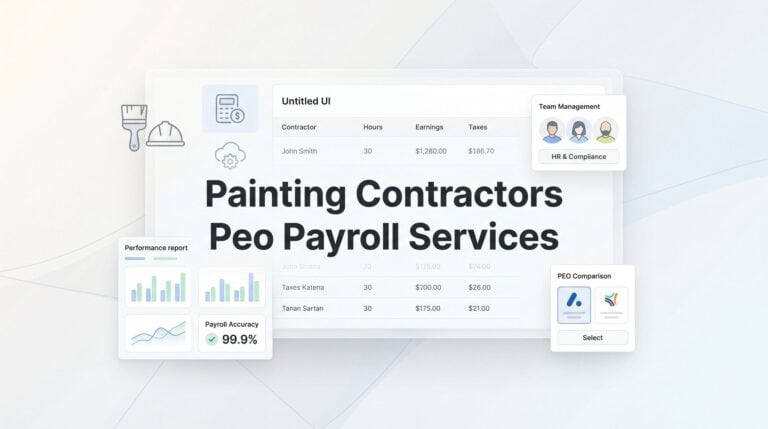
Painting contractors face unique payroll challenges managing seasonal crews across multiple job sites, certified payroll requirements, and worker classification compliance. Painting Contractors PEO Payroll Services provide specialized solutions that handle fluctuating workforces, prevailing wage tracking, workers’ comp management, and cash flow timing—allowing contractors to focus on bidding jobs and delivering quality work instead of wrestling with complex payroll administration and complian…
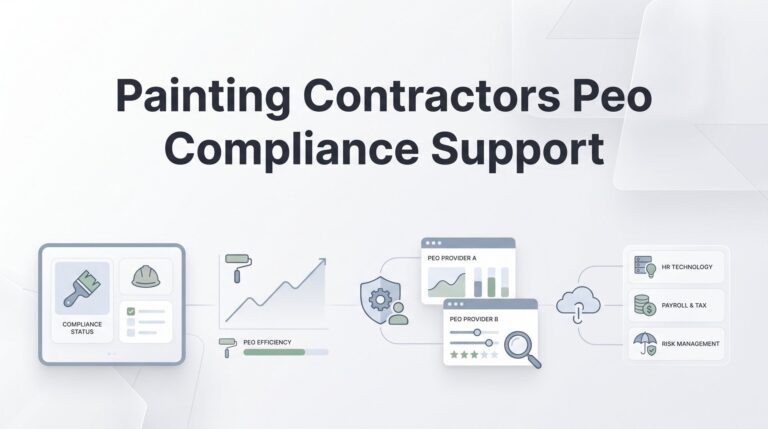
Painting contractors face unique compliance challenges—from multi-site crew management and seasonal staffing fluctuations to lead paint regulations and volatile workers’ comp classifications—that generic HR solutions simply don’t address. This guide examines whether Painting Contractors PEO Compliance Support can genuinely solve these industry-specific headaches or just adds another layer of misaligned bureaucracy to your operations.
Painting contractors struggling with employee retention can access competitive health insurance and streamlined workers’ comp through a PEO (Professional Employer Organization), but the model doesn’t work equally well for all painting businesses. The viability of painting contractors employee benefits through PEO depends on your specific workforce patterns—especially seasonal fluctuations—and whether the total cost structure makes financial sense beyond the initial benefits package appeal.
Switching painting contractors to a PEO can streamline your wildly fluctuating crew sizes, scattered job sites, and overwhelming workers’ comp costs without requiring downtime or complex expertise. The transition demands strategic planning around your experience modifier, seasonal staffing patterns, and construction-specific payroll challenges—but it’s far simpler than managing the administrative chaos of doing it yourself with basic tools and generic support.
Painting contractors face unique challenges with standard PEO contracts that don’t account for seasonal workforce fluctuations, multi-state operations, and high-risk workers’ comp classifications. Before signing, negotiate critical painting contractors PEO contract terms including flexible pricing for crew size changes, audit fee caps, reasonable exit clauses, and industry-specific workers’ comp handling to avoid costly surprises when your headcount doubles for commercial projects or you need…
Understanding your Painting Contractors PEO Cancellation Policy before signing is critical because seasonal workforce fluctuations and high-risk workers’ comp classifications create unique exit complications for painting businesses. Most contractors overlook cancellation terms until they face billing disputes or service issues, only to discover restrictive language around audit reconciliation, notice periods, and unexpected fees that can trap them in unfavorable agreements for months.
Tree service companies with 15 employees face unique HR challenges including high-risk workers’ comp costs and specialized insurance needs that generic PEOs often mishandle. This guide reviews the seven best Tree Service PEO for 15 Employees options that understand arboriculture operations, properly classify climbers versus ground crew, and can reduce administrative burden while potentially lowering workers’ compensation premiums for high-risk trades.
Tree service companies with 50 employees face unique HR challenges including high workers comp costs, seasonal staffing, and field crew management. This guide reviews the 7 best PEOs for tree service operations in 2026, focusing on providers that understand high-risk outdoor work, offer competitive workers comp rates, and deliver field workforce solutions tailored to companies beyond startup phase but not yet regional scale.
Discover the seven best PEO providers specifically evaluated for tree service companies with 100 employees, addressing critical needs like high-risk workers’ compensation, seasonal staffing, DOT compliance for CDL drivers, and retention-focused benefits for field crews. This guide compares Tree Service PEO for 100 Employees based on their ability to handle the industry’s unique operational challenges, from equipment operator compliance to managing climbers and groundsmen in a mid-sized operat…
Pool service companies need specialized PEO providers that understand industry-specific challenges like hazardous chemical handling, seasonal workforce fluctuations, higher workers’ comp premiums, and outdoor work conditions. This guide reviews the best PEO for pool service companies based on their ability to manage these unique operational realities—from rapid seasonal hiring to chemical exposure claims—rather than generic HR features that don’t address the pool maintenance industry’s distin…