
Many businesses using a PEO discover too late that HR support doesn’t include attorney-client privilege when facing EEOC charges or litigation risk. Structuring a PEO plus external employment counsel arrangement requires clear division of responsibilities: PEOs handle day-to-day HR operations and compliance, while employment attorneys provide privileged legal advice and litigation defense. This hybrid model protects businesses by combining operational efficiency with legal protection where it…
Pharmaceutical costs are rising faster than general medical inflation, hitting small to mid-sized businesses especially hard. A PEO for pharmaceutical benefits cost containment strategy works by pooling employees across multiple companies to access enterprise-level pharmacy benefit managers, negotiate better formularies, and implement specialty drug programs that individual businesses can’t afford alone. However, not all PEOs prioritize pharmacy benefits equally—choosing one that treats pharm…
Most businesses don’t realize their PEO shares compliance responsibility until a missed filing or policy error triggers an audit or lawsuit. This guide shows you how to build a practical peo compliance review workflow that establishes clear accountability, catches gaps early, and documents your due diligence—without creating bureaucratic busywork that never gets used.
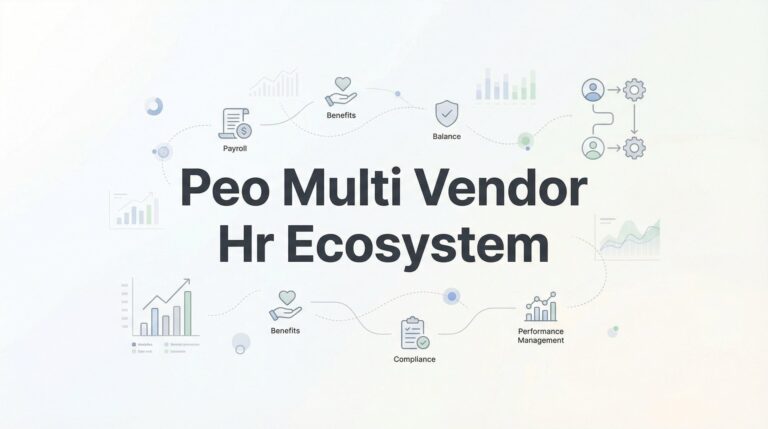
Many growing businesses discover their PEO handles benefits and compliance well, but falls short in specialized areas like recruiting or time tracking. A PEO multi-vendor HR ecosystem solves this by keeping your PEO as the compliance and benefits foundation while integrating best-in-class specialized tools for recruiting, performance management, and other specific operational needs. This approach lets you leverage your PEO’s strengths without being limited by its weaknesses.
Law firms require specialized PEO providers that understand unique compliance challenges including attorney-client privilege, state bar regulations, IOLTA trust accounts, and professional liability management. This guide evaluates the 8 best PEO for law firms enterprise compliance risk management solutions designed specifically for legal practices managing partners, associates, and staff across multiple jurisdictions, helping firms avoid generic providers that can create more liability than t…
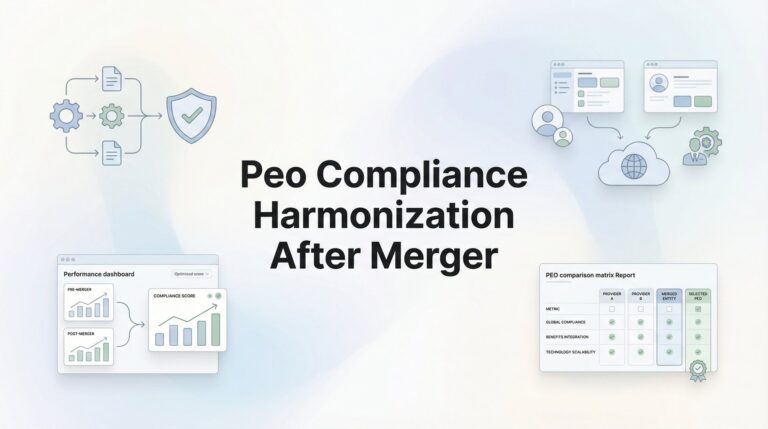
Post-merger HR leaders face immediate pressure to harmonize PEO compliance across two legacy systems while managing overlapping payroll calendars, conflicting state registrations, and time-sensitive ACA reporting deadlines. This practical roadmap addresses the critical challenge of PEO compliance harmonization after merger, helping you consolidate dual PEO relationships, eliminate administrative redundancies, and close regulatory gaps before they trigger penalties—all while the CFO expects un…
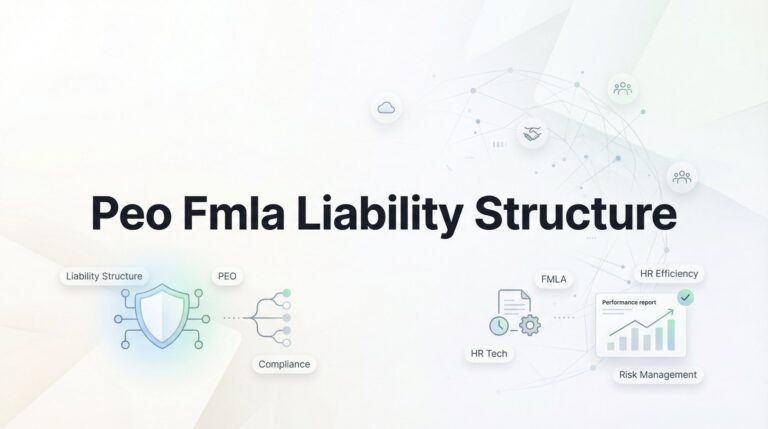
Understanding the PEO FMLA liability structure is critical because FMLA violations can cost $10,000+ per case, yet most business owners don’t know who’s actually liable under their co-employment arrangement. Unlike workers’ comp, FMLA operates under a “joint employer” framework where both you and your PEO can be exposed—and your specific Client Service Agreement language determines whether you’re protected or carrying hidden risk when an employee files a complaint.
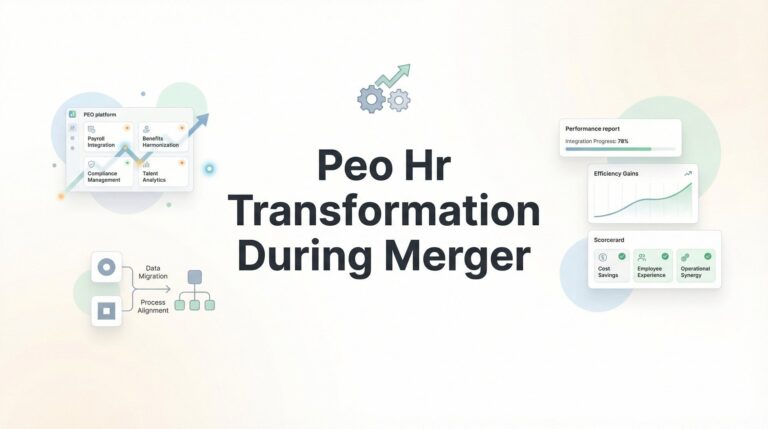
When one or both merging companies use a PEO, you face incompatible payroll systems, conflicting benefits dates, and unclear insurance coverage that can derail your deal. This guide walks through the operational mechanics of PEO HR transformation during a merger, from timing transitions around non-negotiable benefits deadlines to negotiating provider contracts and maintaining employee coverage throughout the integration process.
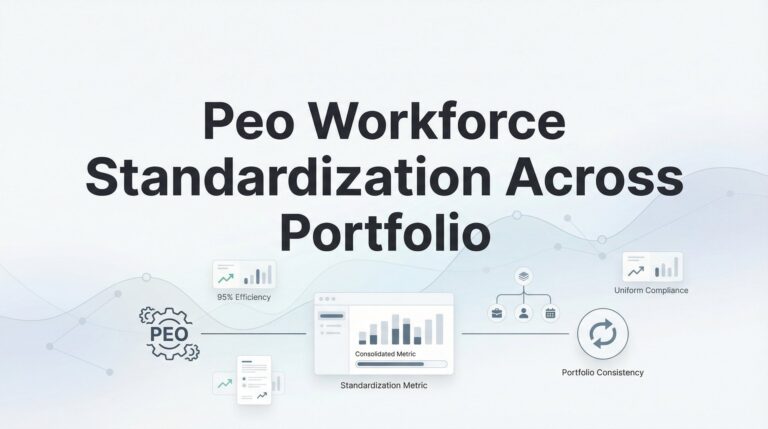
Managing multiple acquired companies often means juggling incompatible payroll systems, benefit structures, and compliance workflows that create hidden costs and operational inefficiencies. This guide reveals seven proven strategies for achieving PEO workforce standardization across portfolio companies, helping private equity firms and multi-entity operators transform HR fragmentation into a strategic value creation lever while reducing per-employee costs and compliance risk.
When a DOL investigation hits your business, the co-employment relationship with your PEO creates real ambiguity about who handles the response and bears legal responsibility. While PEOs market compliance protection, understanding PEO DOL investigation responsibility before federal investigators request records is critical—because the division of duties between you and your PEO during wage violations or workplace safety inquiries is rarely as clear-cut as their sales materials suggest.
M&A transactions involving companies using Professional Employer Organizations face unique HR challenges including inherited liabilities, compliance gaps, and complex co-employment relationships that can derail deal value. This guide provides seven actionable PEO HR risk mitigation in M&A strategies to help buyers, sellers, and merged entities navigate due diligence complexities, protect against hidden liabilities, and leverage PEO relationships as strategic advantages during workforce integr…
Most businesses compare PEO admin fees and miss the full financial picture—leading to costly surprises after signing. This practical guide shows you how to build a comprehensive PEO acquisition cost modeling framework that captures actual costs, savings, risk transfers, and hidden expenses. You’ll learn to compare providers objectively, present data-backed recommendations to leadership, and verify ongoing value with a reusable analytical model that goes far beyond surface-level fee comparis…