
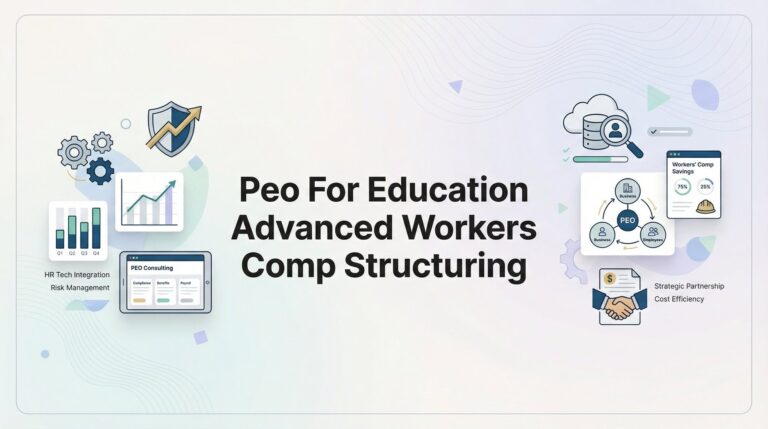
Education organizations overpay on workers comp when diverse roles—from custodians to counselors—get lumped into generic class codes. This guide explains how to partner with a PEO for education advanced workers comp structuring by separating risk pools, negotiating accurate class codes, and building a framework that matches your actual workforce exposure, helping schools and education nonprofits pay premiums that reflect real risk instead of subsidizing coverage they don’t need.
Manufacturing firms face unique PEO compliance risks that differ significantly from other industries, particularly around OSHA recordkeeping, workers’ compensation classifications, and state-specific safety regulations. While PEOs can help manage compliance, understanding where their responsibility ends and yours begins is critical—standard PEO service models weren’t designed for high-risk manufacturing environments, and gaps often only surface during audits or workplace incidents.
Automotive businesses with employees across multiple states face complex payroll compliance challenges, from California’s commission rules to varying flat-rate mechanic wage laws and state-specific break requirements. A PEO for automotive multi-state payroll governance handles the intricate compliance layer beneath payroll processing, ensuring proper documentation, minimum wage guarantees, and defensible records across different state regulations—protecting dealerships, service networks, and …
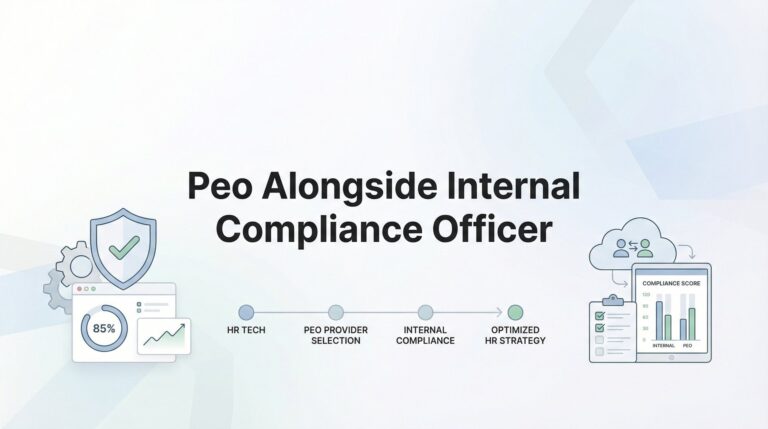
Many mid-market businesses hesitate to partner with a PEO alongside internal compliance officer roles, fearing they’ll pay twice for the same service. However, PEO compliance support and internal compliance officers serve distinct functions with different mandates and risk coverage areas. Understanding where each responsibility begins and ends is key to determining whether using a PEO alongside your internal compliance officer creates redundancy or fills critical gaps in your compliance strat…
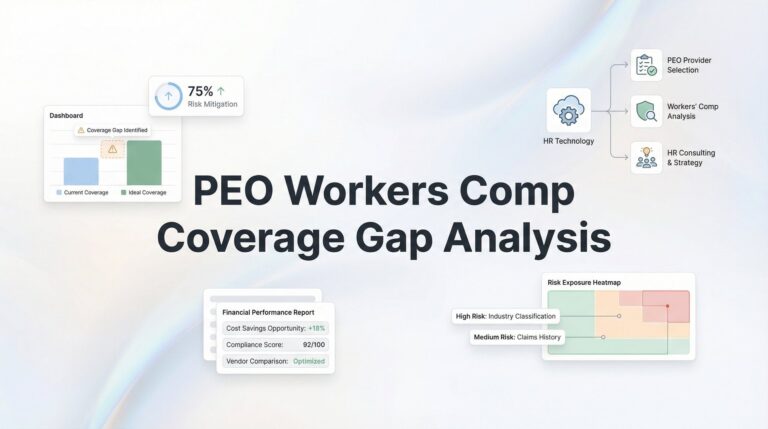
Before signing with a PEO, conduct a workers’ comp coverage gap analysis to ensure their master policy actually covers your specific business operations. Most business owners overlook critical gaps—like employees driving company vehicles or unique warehouse activities—that only surface when a claim is filed, leaving you financially exposed. This methodical process involves comparing your actual operations against the PEO’s policy terms, asking targeted questions, and identifying common covera…

Law firm mergers involve unique HR complexities beyond typical M&A, including partnership structures, multi-state bar compliance, and attorney retention risks. A PEO for law firms M&A workforce integration strategy can absorb much of this burden by addressing challenges like harmonizing billable-hour compensation, managing jurisdiction-specific licensing, and retaining partners with portable client books—ensuring you don’t lose the talent that made the acquisition valuable.
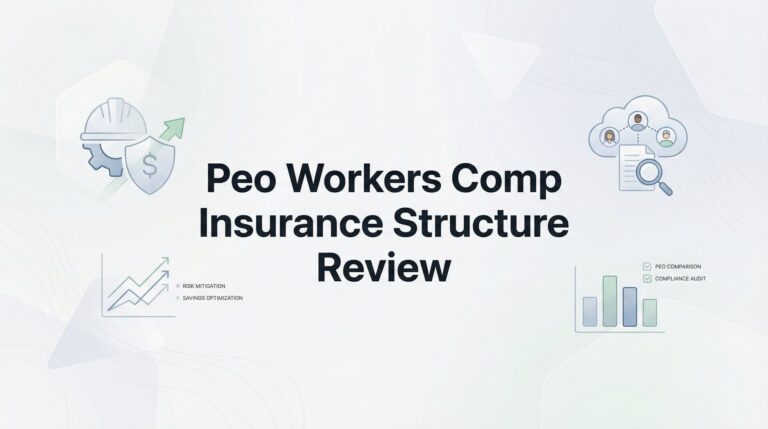
Most business owners accept PEO workers comp as a bundled payroll add-on without scrutinizing the structure—a costly oversight since it’s typically their largest insurance expense. This PEO workers comp insurance structure review explains how coverage is actually priced within PEO arrangements, where hidden costs accumulate, and when you’re unknowingly subsidizing other clients’ claims, helping you determine whether bundled coverage makes financial sense or if standalone insurance would bette…
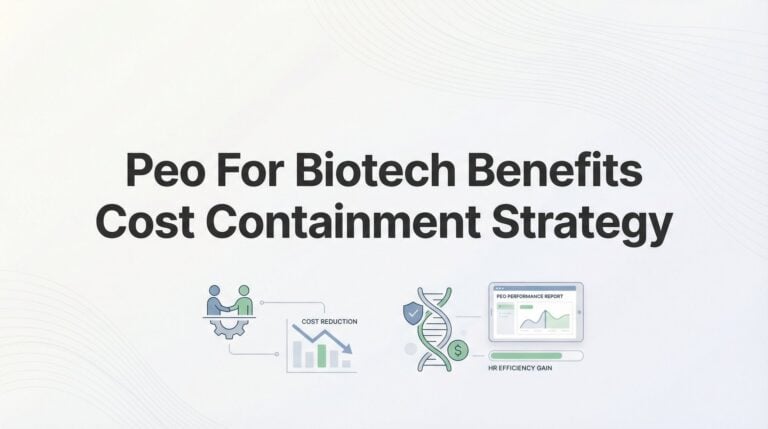
Biotech companies can significantly reduce benefits costs while maintaining competitive coverage by implementing targeted PEO for biotech benefits cost containment strategies that address their unique workforce needs. This guide reveals seven specialized approaches that account for biotech-specific factors like PhD-level talent requirements, lab exposure classifications, clinical trial cycles, and the distinct utilization patterns between research scientists and administrative staff—helping c…
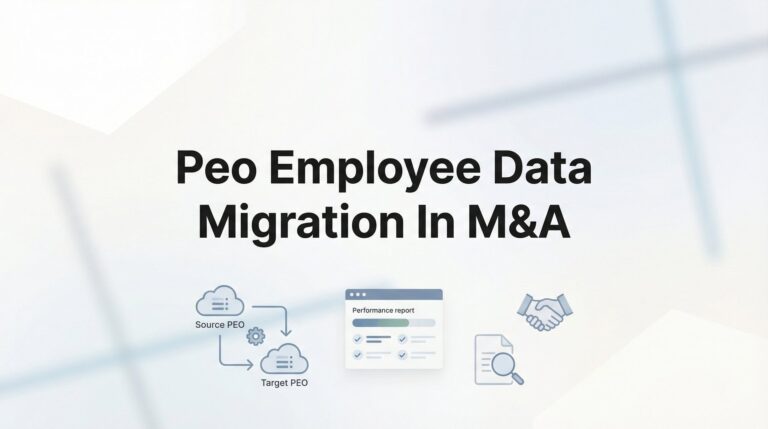
Merging companies means migrating employee data between PEOs—a complex process that can derail M&A deals if mishandled. This guide walks through the practical challenges of PEO employee data migration in M&A, from navigating conflicting timelines (90-day termination notices versus 60-day close deadlines) to maintaining payroll continuity, benefits coverage, and compliance across multiple state jurisdictions without losing critical employee records or creating W-2 errors.
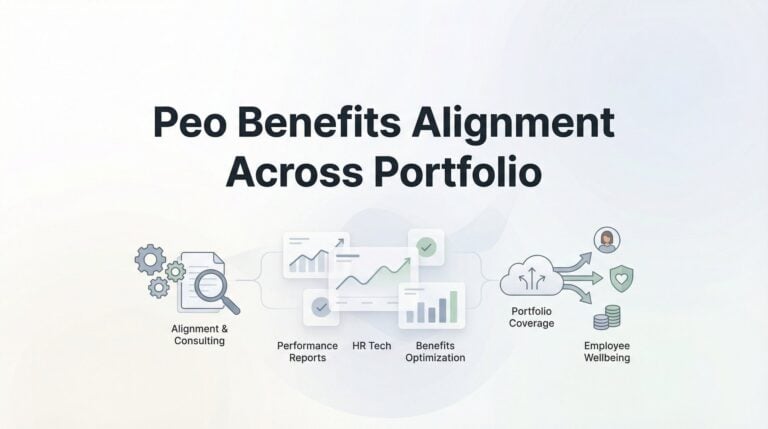
Managing benefits across multiple portfolio companies often results in a costly patchwork of PEO arrangements inherited through acquisitions or organic growth. This practical guide shows multi-company operators, PE firms, and holding companies how to achieve strategic PEO benefits alignment across portfolio companies—identifying when consolidation makes financial sense, when to maintain separate structures, and how to execute changes without operational disruption while reducing costs and imp…
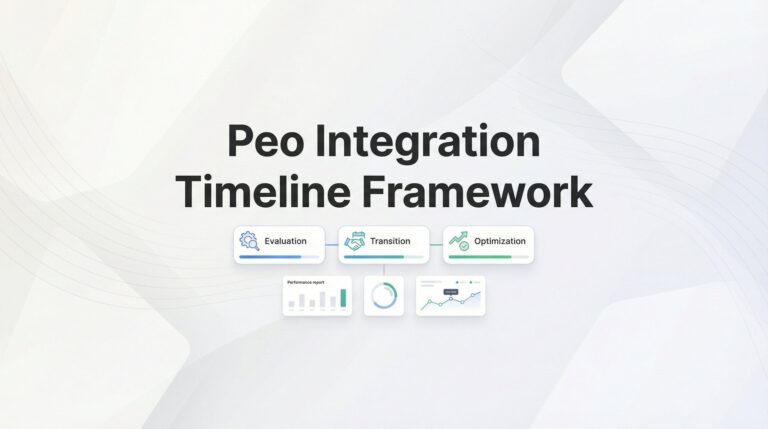
Most PEO implementations take 30-90 days, but success depends on choosing the right PEO integration timeline framework for your specific situation rather than accepting generic provider schedules. This guide presents seven distinct frameworks tailored to different business constraints, risk tolerances, and deadlines—from 30-day emergency sprints to methodical mid-year transitions—helping you avoid the payroll errors and benefits gaps that plague rushed implementations.
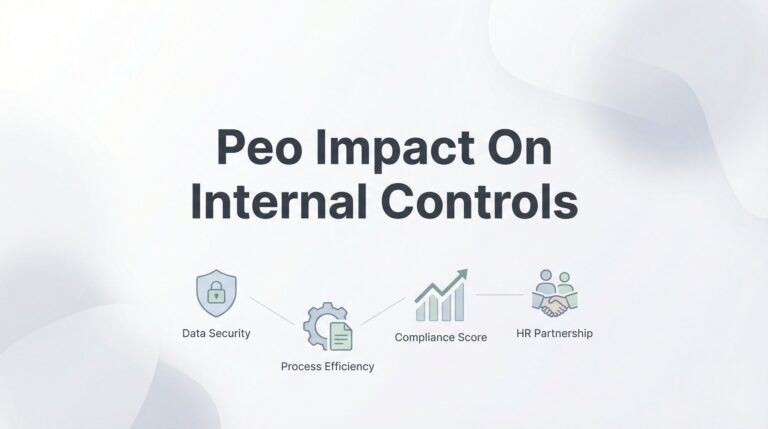
When you enter a PEO agreement, you fundamentally restructure control over financial and HR operations, creating shifts that directly affect audit outcomes, compliance risk, and oversight responsibilities. This guide explains exactly which controls transfer to the PEO, where your accountability remains, and how to build protective safeguards when a third party manages your most sensitive payroll and workforce processes—helping you avoid blind spots that emerge in co-employment arrangements.