
When acquiring a company using a PEO for workers comp coverage, you’re not buying a traditional insurance policy—you’re inheriting a co-employment arrangement where the PEO holds the master policy, claims history is pooled, and the experience mod you need for underwriting may not exist in usable form. Understanding PEO workers comp policy integration in M&A requires early due diligence because unraveling these arrangements involves complex claims data extraction, potential coverage gaps durin…
A PEO service carve-out strategy allows businesses to retain valuable PEO services while replacing overpriced ones with specialized providers, potentially saving six figures annually. However, successful implementation requires careful analysis of which services can be separated and understanding the hidden costs and compliance risks involved in unbundling your PEO relationship.
Automotive businesses can significantly reduce benefits costs by partnering with a PEO that offers specialized strategies for their industry’s unique challenges. This guide reveals seven targeted approaches—from leveraging master health plans for large-group pricing to managing workers’ comp exposure—that help automotive shops, dealerships, and fleet operators control rising health insurance and benefits expenses while competing for skilled technicians in a tight labor market.
A PEO payroll-only hybrid structure allows businesses to keep payroll processing in-house while outsourcing benefits administration and HR compliance to a PEO through co-employment. This arrangement works best for companies with capable internal teams who want to maintain payroll control while accessing better benefits pricing and reducing compliance risk, though it requires managing two separate systems and coordinating between providers.
Energy companies navigating OSHA safety mandates, EPA regulations, and multi-state compliance requirements need specialized support beyond standard HR services. This guide evaluates the best PEO for energy enterprise compliance risk management in 2026, focusing on providers with dedicated safety teams, industry-specific expertise, and the regulatory knowledge to help oil, gas, renewable energy, and utility companies avoid costly penalties while managing hazardous work environments and complex…
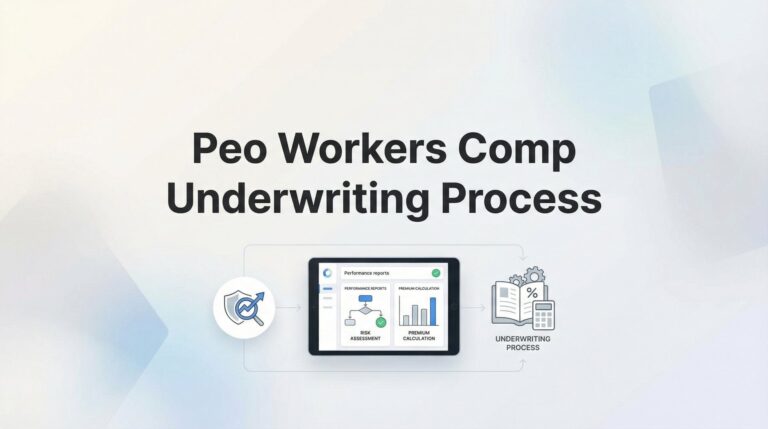
The PEO workers comp underwriting process differs from standalone policies because you’re joining a master policy with other businesses, where PEOs evaluate your risk profile against their entire portfolio. This step-by-step guide explains how to prepare documentation that addresses underwriter concerns, position your company favorably, and navigate from initial submission to final rate confirmation while avoiding common mistakes that lead to higher premiums or coverage denials.
After acquiring multiple companies, scattered HR systems create operational chaos with misaligned payroll, benefits, and compliance across entities. This guide provides a strategic framework for using a PEO to consolidate HR operations across acquired entities, helping you determine when consolidation makes sense and avoid integration mistakes that turn successful acquisitions into administrative nightmares.
A PEO legal risk transfer structure doesn’t create a complete liability handoff—it establishes split responsibility where certain employment risks genuinely transfer to the PEO while others, including discrimination claims, workplace safety violations, and wage-hour disputes, typically remain with the business owner. Understanding which specific risks actually shift in the co-employment model and which stay with you is critical before entering a PEO relationship.
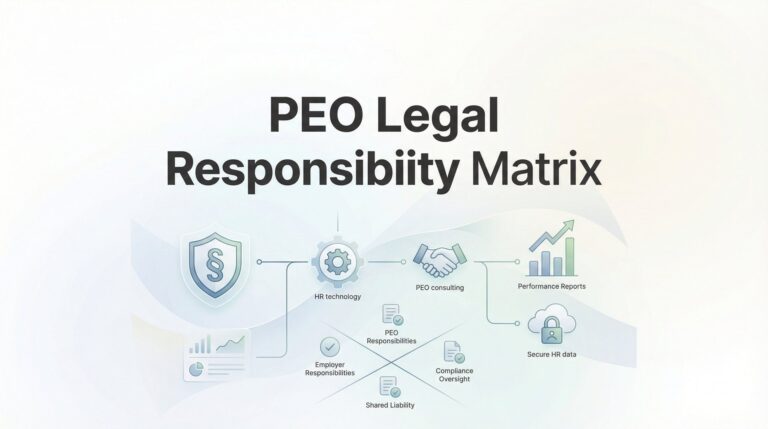
A PEO legal responsibility matrix clearly defines which party—your business, the PEO, or both—handles each employment obligation in a co-employment relationship. Without this documented framework, companies often discover dangerous responsibility gaps only after incidents occur, such as wrongful termination claims or workplace injuries where both parties assumed the other was managing critical documentation and compliance requirements.
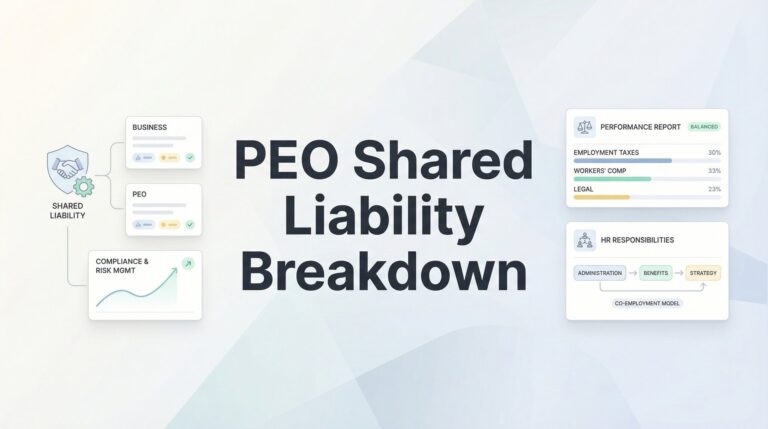
A PEO shared liability breakdown reveals that “shared liability” doesn’t mean equal protection—it’s a specific contractual division where certain employment risks transfer to the PEO while critical exposures like discrimination lawsuits and workplace safety violations remain with you as the employer. Understanding exactly which liabilities the PEO covers versus what you still own is essential to avoid dangerous gaps in protection and over-reliance on PEO agreements.
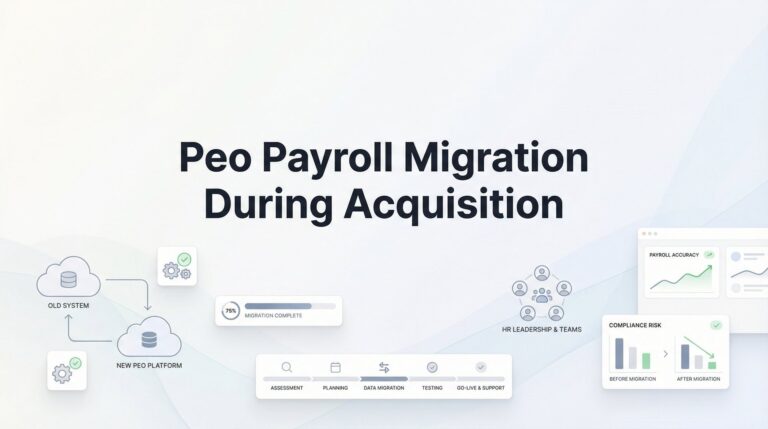
Migrating PEO payroll during an acquisition requires careful planning to avoid missed paychecks, benefits disruptions, and compliance issues that can erode employee trust. This guide walks you through the critical steps of PEO payroll migration during acquisition, from unwinding co-employment relationships and extracting employee data to establishing new payroll systems—all while maintaining continuity for your newly acquired workforce and meeting tight deadlines.
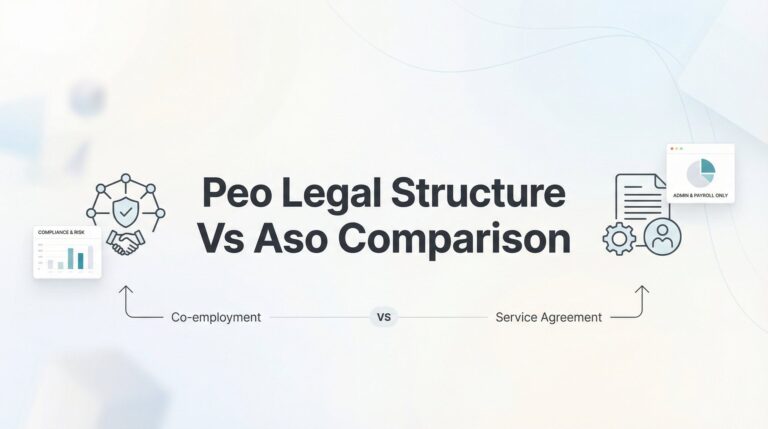
Understanding the PEO legal structure vs ASO comparison is critical when selecting outsourced HR solutions, as it determines employer liability, tax filing responsibility, and employee benefit administration. PEOs create a co-employment relationship where they become the employer of record, while ASOs maintain your sole employer status and simply handle administrative tasks—a distinction that directly impacts your risk exposure, compliance obligations, and operational control.