
Finding the right Water Damage Restoration PEO for 15 Employees requires more than a generic HR solution—restoration crews face unique challenges including high-risk workers’ comp classifications, emergency scheduling, and hazardous exposure compliance that most PEO providers aren’t equipped to handle. This guide outlines seven targeted strategies to help 15-person restoration companies identify PEO partners that genuinely understand trade-specific risks and operational demands.
Switching commercial cleaning companies to a PEO requires careful planning around industry-specific challenges like dispersed workforces, workers’ comp classifications, and mid-quarter payroll transitions. This step-by-step guide addresses the practical friction points—from certificate of insurance continuity to I-9 compliance for overnight crews—that generic PEO switching advice overlooks.
State unemployment insurance handling under a PEO shifts in ways most employers don’t anticipate—claims may file under the PEO’s tax ID, your SUI rate can change unexpectedly, and the financial impact can follow you even after you leave the arrangement. This guide explains exactly what changes, where hidden costs tend to appear, and the right questions to ask before signing.
Running a 25-person water damage restoration crew creates unique HR and risk management challenges that generic PEO solutions often mishandle through incorrect classification codes and mismatched contract terms. This guide outlines seven targeted strategies for selecting a Water Damage Restoration PEO for 25 Employees that accurately reflects your crew’s specific hazard profile, controls workers’ comp costs, and supports rapid scaling during high-demand emergency response periods.
Understanding the impact of PEO adoption on EBITDA margin and compliance framework is critical for PE-backed companies, acquisition targets, and businesses under lender covenants. Beyond payroll savings and benefits cost reduction, PEO billing structures and co-employment arrangements can shift how costs appear on your P&L, directly affecting how margins are interpreted by buyers, auditors, and lenders.
Switching janitorial companies to a PEO consolidates payroll, benefits, workers’ comp, and compliance management under one provider—reducing the HR complexity unique to cleaning operations like high turnover, multi-site scheduling, and OSHA chemical handling requirements. This step-by-step guide walks janitorial business owners through a smooth transition that avoids coverage gaps and keeps a dispersed, non-desk workforce properly supported throughout the process.
A 50-employee water damage restoration company faces unique HR and risk management challenges that make PEO selection critically important. This guide outlines seven targeted strategies for evaluating a Water Damage Restoration PEO for 50 Employees, focusing on industry-specific expertise, workers’ comp cost management, and operational fit for companies running hazardous-environment crews at this critical growth stage.
Construction companies managing multi-state crews, subcontractor relationships, and OSHA requirements face compliance challenges most industries never encounter. This guide examines how a workforce compliance strategy using a PEO for construction companies can address these specific gaps—from workers’ comp cost control to multi-jurisdiction payroll—and what to evaluate before choosing a PEO that genuinely understands construction operations.
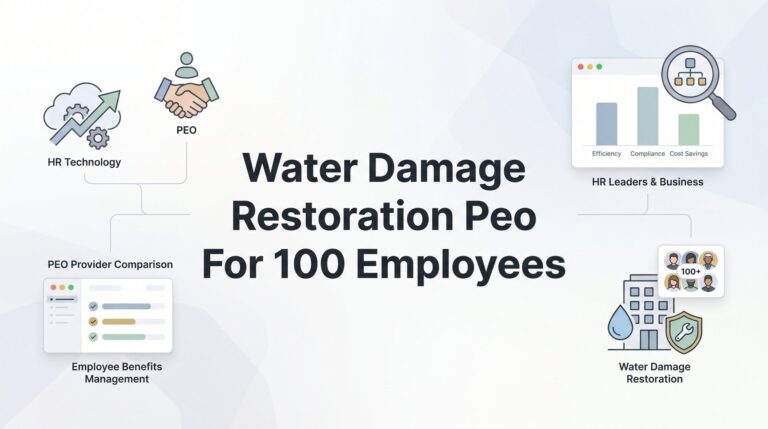
Water damage restoration companies with 100 employees face unique HR and compliance challenges—from hazardous materials handling to storm-season workforce fluctuations—that require a specialized approach to PEO selection. This guide outlines seven targeted strategies for choosing a Water Damage Restoration PEO for 100 Employees, focusing on critical factors like workers’ comp management, field crew payroll, and high-risk industry expertise that generic PEO providers often overlook.
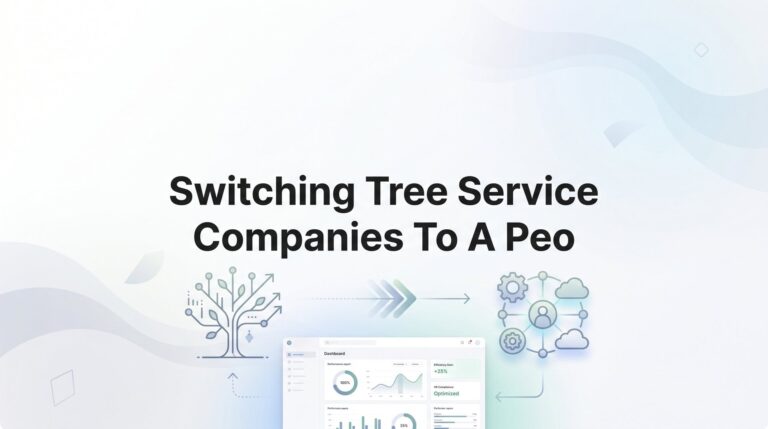
Switching tree service companies to a PEO requires careful coordination across payroll, benefits, insurance, and compliance to avoid costly coverage gaps or liability risks. This step-by-step guide helps tree care business owners navigate the transition process safely, addressing the industry’s unique challenges including high-risk workers’ comp rates, seasonal staffing, and multi-state compliance requirements.
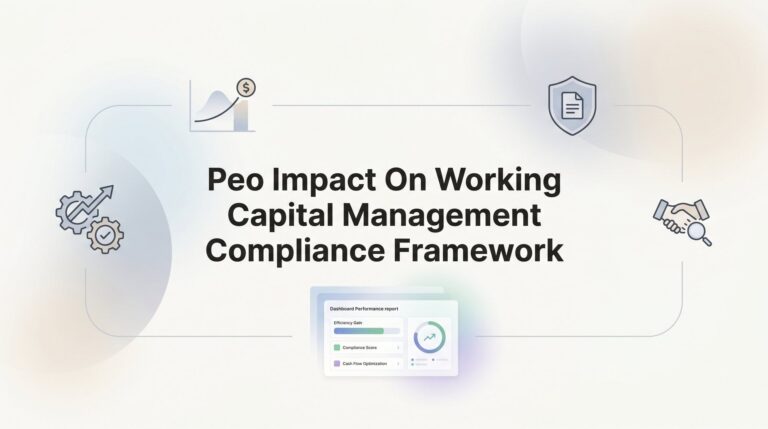
Compliance failures aren’t just legal problems—they’re cash flow emergencies that drain working capital at the worst possible moments. Understanding the PEO impact on working capital management and compliance framework helps small and mid-market businesses restructure both their cash flow mechanics and compliance exposure, though knowing which liabilities genuinely transfer under co-employment is critical to avoiding costly surprises.
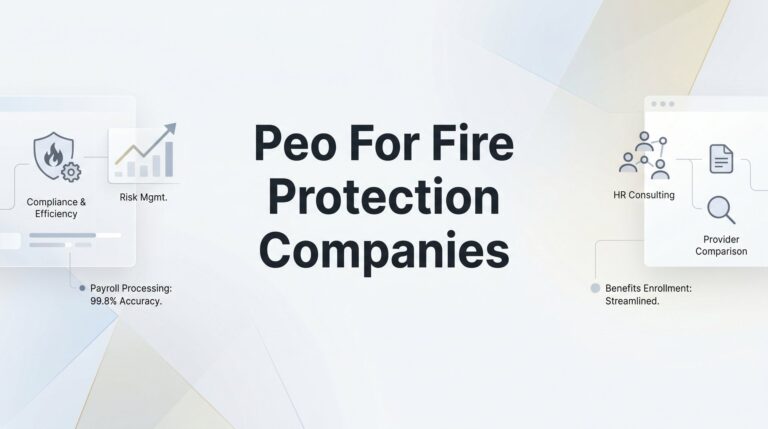
Finding the right PEO for fire protection companies means identifying providers that understand high-risk trade work, elevated workers’ comp classifications, and multi-state licensing compliance. This guide evaluates seven PEOs based on their ability to handle the unique HR, safety, and payroll challenges facing fire suppression, alarm installation, and sprinkler fitting businesses.