
Finding the right restoration PEO for 15 employees requires evaluating providers on industry-specific criteria, including workers’ comp expertise for hazardous worksites, certified payroll capabilities, and flexible structures that accommodate seasonal fluctuations. This guide outlines seven targeted strategies to help small restoration companies select a PEO that reduces compliance risk and controls costs without overpaying for features designed for much larger operations.
A workforce compliance strategy using a PEO for logistics companies can meaningfully reduce regulatory burden in areas like multi-state employment law, payroll tax administration, and seasonal workforce fluctuations—but it won’t resolve every exposure point, particularly around driver misclassification and federal transportation regulations. This breakdown helps logistics operators understand exactly where a PEO adds value and where compliance responsibility remains firmly in-house.
Indemnification clauses in PEO agreements explained: these often-overlooked contract provisions determine exactly who bears financial responsibility when tax errors, workers’ comp disputes, or wrongful termination claims arise. This guide breaks down how to read indemnification language, what red flags to watch for, and which terms to negotiate before signing so your PEO stands beside you in a dispute rather than sending you the bill.
Restoration companies at the 50-employee mark face unique HR challenges—from OSHA compliance and multi-site payroll to hazardous jobsite risks—that generic PEO providers often aren’t equipped to handle. This guide outlines seven practical strategies for selecting a Restoration PEO for 50 Employees that addresses industry-specific workers’ comp risks, ACA obligations, and state licensing requirements without overpaying for coverage that doesn’t fit your operation.
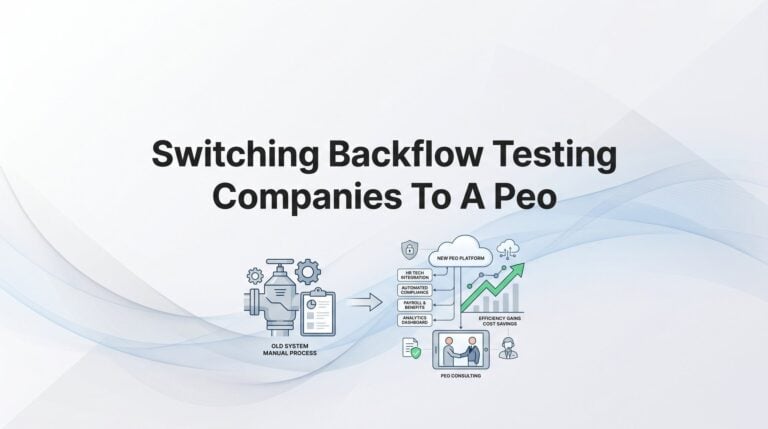
Switching backflow testing companies to a PEO requires careful planning to protect workers’ comp classifications, technician certifications, and municipal compliance obligations during the transition. This step-by-step guide walks backflow testing business owners through evaluating PEO compatibility, managing the handoff without operational disruption, and reclaiming administrative time so they can focus on growing the business.

Understanding PEO impact on working capital management goes beyond HR benefits—it fundamentally restructures your cash flow cycle, insurance cost timing, and balance sheet from day one. This analysis examines the financial mechanics affecting businesses with tight margins, seasonal staffing fluctuations, or workers’ comp exposure, including the often-overlooked capital implications of both joining and exiting a PEO arrangement.
Restoration companies with 100 employees face unique HR and risk management challenges that generic PEO solutions often fail to address. This guide outlines seven targeted strategies for selecting a Restoration PEO for 100 Employees that properly handles workers’ comp complexity, fluctuating crew sizes, multi-state compliance, and the co-employment structures specific to water, fire, and mold remediation operations.
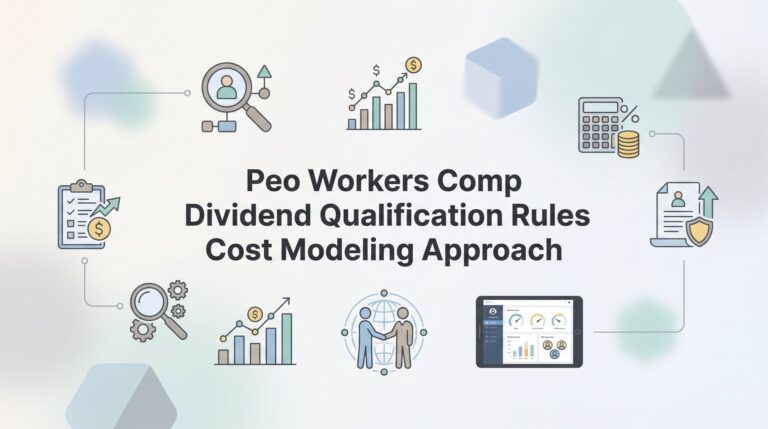
Understanding PEO workers comp dividend qualification rules through a cost modeling approach helps business owners move beyond sales pitch promises to evaluate realistic thresholds, eligibility mechanics, and probability-weighted projections. This guide breaks down how dividend programs actually function inside PEO structures so you can compare proposals accurately without overvaluing returns that may never materialize.
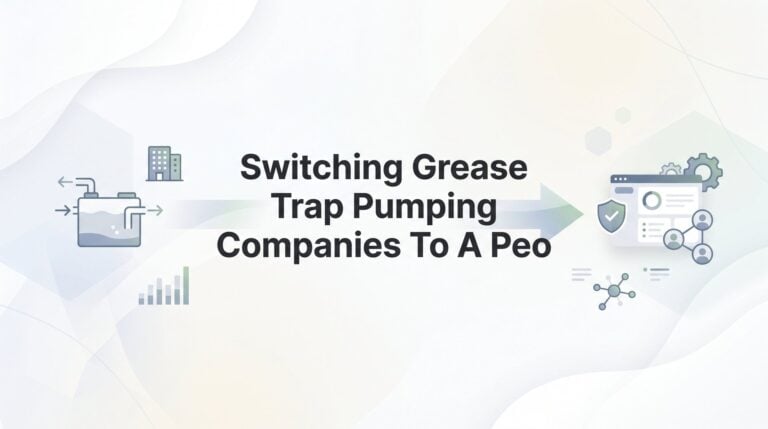
Switching grease trap pumping companies to a PEO can reduce back-office burdens like DOT compliance, workers’ comp management, and hazardous waste certifications — but the transition requires careful planning. This practical walkthrough covers the specific operational steps grease trap pumping operators need to successfully move to a PEO without disrupting routes, client relationships, or regulatory standing.
Finding the right PEO for water damage restoration companies requires evaluating providers that understand high-risk workers’ comp classifications, seasonal workforce fluctuations, and OSHA compliance demands unique to restoration work. This guide breaks down the eight best PEOs equipped to handle the administrative and HR complexities of emergency response crews, mold remediation certifications, and variable field staffing.
Proper PEO expense treatment in audited financial statements has significant financial impact on how lenders, buyers, and auditors interpret your cost structure and EBITDA. Business owners must understand whether to record PEO payroll costs gross or net to avoid audit findings, restatements, or deal complications during due diligence.
Discover the best PEO for water damage restoration companies by comparing seven providers that specialize in high-risk workers’ comp classifications, OSHA hazardous materials compliance, and seasonal workforce fluctuations. This guide cuts through generic PEO options to identify partners who genuinely understand restoration industry challenges, from mold exposure liability to emergency crew scheduling.